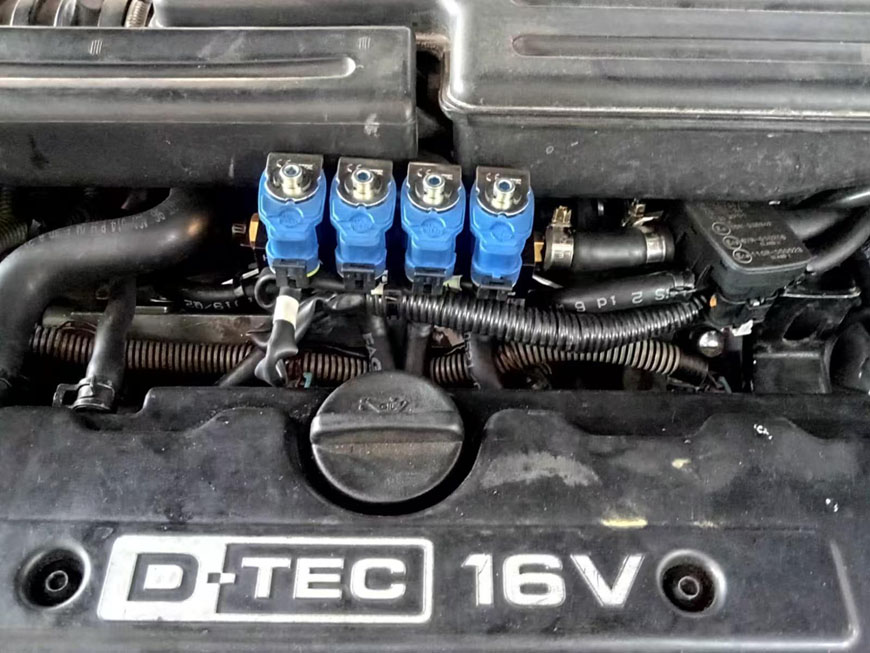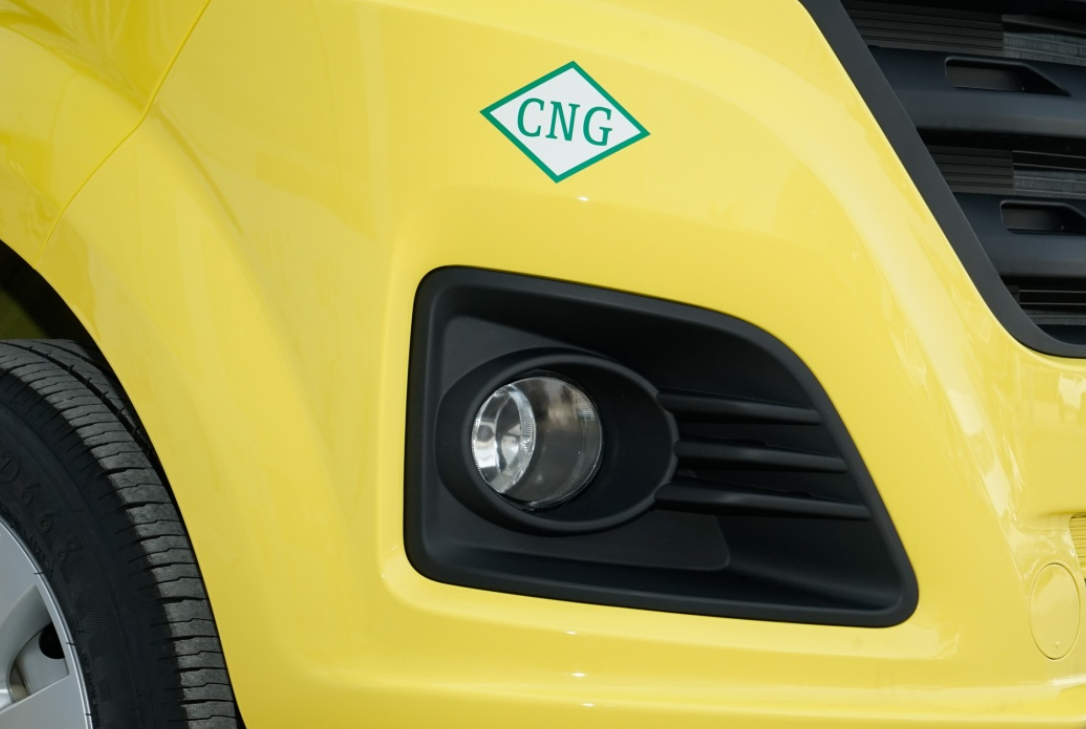

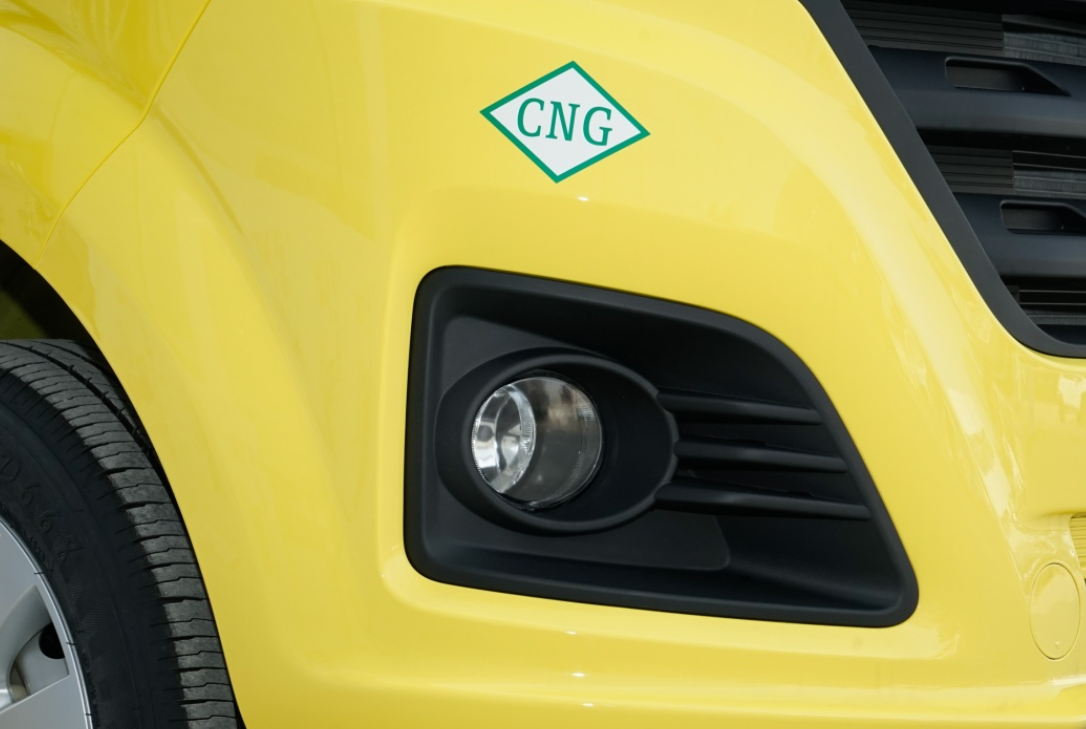
It uses compressed natural gas (CNG) as fuel, which offers significant advantages in emissions compared to traditional gasoline vehicles, substantially reducing its environmental impact. Furthermore, CNG fuel burns more completely, effectively improving engine efficiency, reducing mechanical wear, and extending vehicle lifespan.
In terms of cost, this vehicle has very low operating costs. It only costs three cents per kilometer, thanks to its efficient 1.2-liter engine. One tank of gas is enough to power the vehicle for over 200 kilometers, which is both economical and convenient for my father's daily driving needs of 50 kilometers. In fact, using this gas-powered van is even more cost-effective than taking public transportation. Gas stations are widely available in our area, making refueling very easy.
Therefore, if you need to drive daily, buying such a gas-powered vehicle is indeed a good choice. However, if gas stations are not readily available, you should carefully consider your options.
However, it's worth noting that while gas-powered vehicles have a cost advantage, they are still slightly less powerful than gasoline-powered vehicles. From an economic perspective, CNG fuel is cheaper than gasoline, effectively controlling vehicle operating costs. Furthermore, the government offers several preferential policies for CNG vehicles, such as purchase tax reductions and free installation of refueling equipment, making CNG dual-fuel versions even more cost-effective.
FAQ
What are the main benefits of CNG vehicles?
CNG vehicles produce lower emissions than gasoline cars. CNG burns more completely to boost engine efficiency, cut mechanical wear and prolong vehicle service life. Operating costs are extremely low, and many regions provide government preferential policies including tax reduction.
How much does it cost per kilometer for a CNG vehicle?
The 1.2-liter CNG vehicle costs only three cents per kilometer. A full tank can run more than 200 kilometers, suitable for daily commuting around 50km per day.
What is the disadvantage of CNG powered vehicles?
CNG vehicles are slightly less powerful compared with gasoline-powered vehicles. You need accessible CNG filling stations; it is not recommended if local refueling infrastructure is scarce.
What government incentives are available for CNG vehicles?
Common preferential policies include purchase tax reductions and free installation of refueling equipment for CNG dual-fuel vehicles.