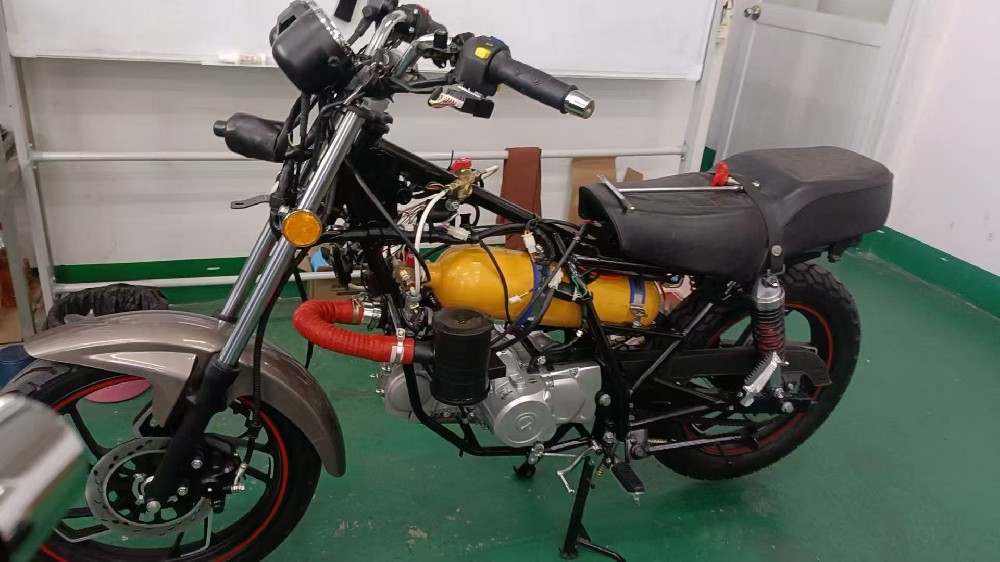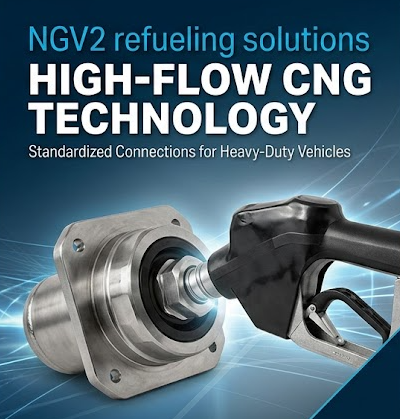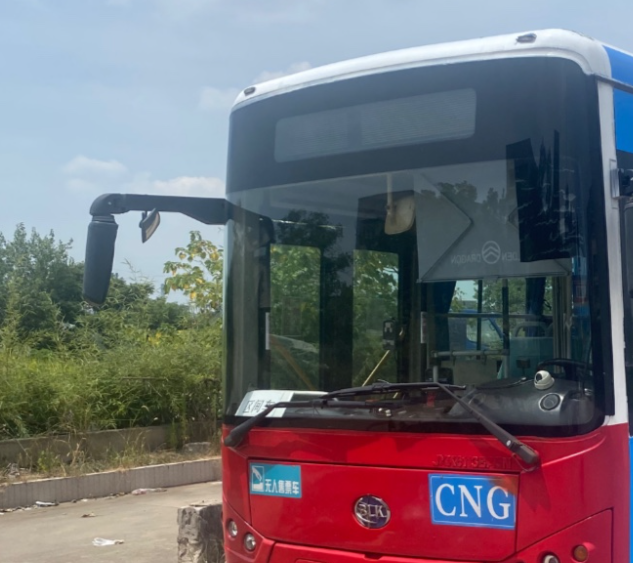

The fuel-to-gas conversion electrical system is a dual-fuel control unit. It adds a separate gas control circuit to your car’s original fuel system. It works together with the factory ECU and new gas ECU. You can switch freely between fuel and gas modes. It delivers accurate gas supply control and full-vehicle safety protection. It adjusts ignition timing and gas output for gas-fuel combustion, so the engine runs stably on dual-fuel.
1. System Hardware Structure
This system keeps the original car fuel circuit and adds an independent gas circuit. No changes are made to the factory fuel ECU core logic. All gas-mode functions come from newly-installed parts.
1.1 Original Fuel Parts (Kept Unchanged)
All factory fuel-control components remain for normal fuel-mode driving:
Original fuel ECU & ignition coil
Crankshaft sensor, camshaft sensor
Fuel pump control circuit
Factory vehicle warning lights
Original parts work exactly as designed for reliable fuel-mode performance.
1.2 New Gas-System Electrical Components
These added parts handle gas-mode control and safety protection:
Gas ECU – Main controller for the gas system. Reads engine and gas-pressure sensor data. Controls gas valves and ignition timing. Runs fuel-gas mode switching for the whole system.
Gas Pressure Sensor – Tracks CNG / LPG tank pressure in real time. Sends pressure data to the gas ECU for gas-flow calculation and high-low pressure safety guard.
Gas Solenoid Valve Set – Includes high-pressure and low-pressure valves. High-pressure valve cuts gas flow at the tank outlet. Low-pressure valve sits after pressure reducer to regulate gas going into engine intake for safe, controllable gas supply.
Ignition Advance Adjuster – Natural gas burns slower than gasoline. This part adjusts ignition trigger time. It prevents engine knock and improves power output & combustion efficiency when running on gas.
Mode Switch Unit – Supports manual and automatic switching. Drivers manually toggle fuel/gas in manual mode. Auto-mode changes working state based on tank pressure, temperature and engine conditions.
Gas-System Warning Light – Independent alarm lamp. Lights up when gas circuit faults appear, reminding users to inspect the system.
Safety Trigger Circuit – Connects gas-leak sensor and crash sensor. Watches for leaks or collisions. Triggers emergency gas shut-off to remove safety risks.
2. How The Circuit System Works
2.1 Fuel / Gas Mode Switching
Manual and automatic switching available. Switching is smooth with no obvious jerk:
Fuel to Gas – Trigger the switch. Gas ECU stops fuel pump to cut fuel supply. Then opens high-pressure and low-pressure gas valves in sequence to start gas-mode operation.
Gas to Fuel – Trigger switch command. Gas ECU closes all gas valves to stop gas supply. Restores fuel-pump power, engine goes back to original fuel-mode.
Auto-switch logic – System switches back to fuel automatically if tank pressure drops below 0.2 MPa, or engine struggles to start / runs unstable in cold weather. You may switch back to gas manually after conditions return to normal.
2.2 Main Operation Control Logic
The gas ECU controls gas-mode performance via sensor reading, gas-flow adjustment and ignition tuning:
Read real-time sensor data – Collects crankshaft / camshaft sensor signals to get engine speed and load. Reads gas-pressure sensor values for operation adjustment.
Accurate gas-flow control – ECU calculates proper gas volume based on engine status and gas pressure. Low-pressure solenoid valve manages gas into intake manifold. High-end models read oxygen-sensor signals for closed-loop air-fuel tuning, raising combustion efficiency and lowering consumption.
Custom ignition timing – Adjust ignition phase for different fuels. CNG adds 5°-10° crank advance vs fuel mode. LPG adds 3°-7° advance. Matches gas burning speed, avoids power drop and engine knock.
2.3 Built-in Safety Protections
The system detects abnormal status and takes protective actions automatically:
Pressure protection – If pressure goes over 20 MPa or below 0.05 MPa, gas ECU closes all gas valves and turns on gas-system warning light.
Abnormal-condition protection – On engine stall, over-speed or crash-sensor signal, high-pressure gas valve closes instantly to cut gas supply and prevent leakage or fire risk.
Gas-leak protection – When leak sensor finds pipeline / valve leakage, all gas valves shut down immediately. Audible-visual alarm reminds drivers to check faults.
FAQ — Automotive Conversion Electrical System
Q1: Will this conversion system change the original vehicle ECU core logic?
A1: No. We keep the original fuel circuit fully intact. Only extra gas-related hardware is added. Factory ECU works unchanged, the car runs perfectly on fuel mode.
Q2: When will the system auto-switch from gas back to fuel?
A2: It switches automatically if tank pressure below 0.2 MPa, hard cold start, or unstable engine running in low temperature. You can manually return to gas mode after conditions improve.
Q3: How does it stop engine knock on CNG / LPG?
A3: The ignition advance adjuster re-sets ignition timing. CNG uses 5°-10° crank advance, LPG uses 3°-7° advance. It fits gas’s slower burning speed and prevents knock and power loss.
Q4: What safety features does this dual-fuel system have?
A4: Over-pressure & under-pressure protection, abnormal-engine protection, crash emergency gas shut-off, gas-leak detection with sound-light alarm, plus dedicated gas-circuit warning lamp.
Q5: Does this system support closed-loop air-fuel ratio control?
A5: High-end versions support closed-loop control. It reads factory oxygen-sensor signals to adjust gas supply, improve combustion efficiency and reduce gas consumption.