
The package is reinforced by an investment framework that encourages private capital to participate in building charging stations, gas refueling facilities, and related clean-transport technologies.
What this means for CNG and LPG conversion kit suppliers
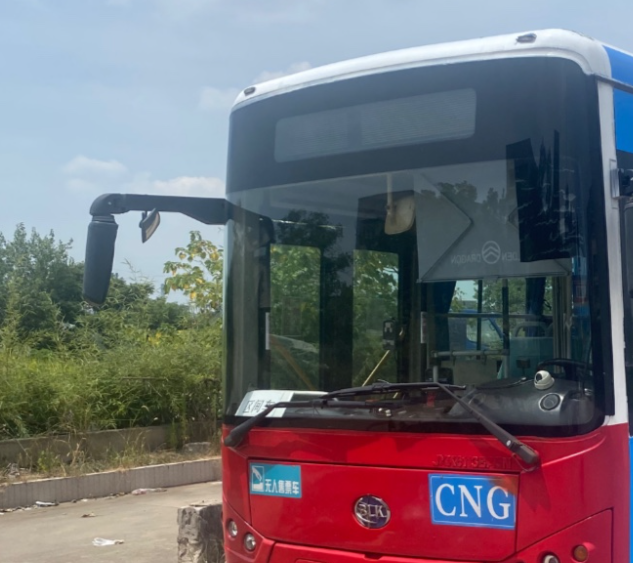
For exporters of CNG and LPG vehicle gas equipment, Ethiopia is moving from a small-volume market into a structured, multi-year retrofit programme. The conversion of more than 1,200 buses alone — before private cars, taxis, tricycles, and freight units are counted — places the country firmly on the supplier short-list for any African export strategy.
Three near-term implications stand out:
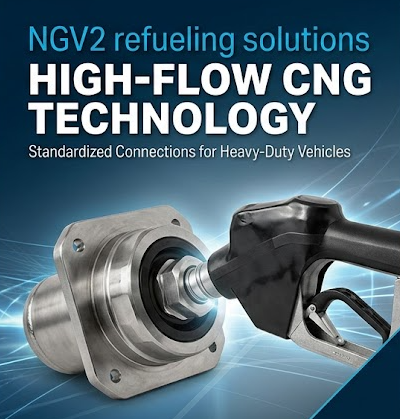
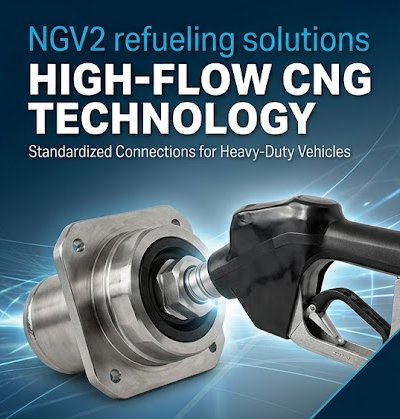
Bus and heavy-duty retrofit demand. Public-transport fleets require robust, serviceable kits: high-flow CNG pressure reducers, sequential injector rails, ECU modules calibrated for diesel-engine-derived platforms, solenoid valves, filling valves, and pressure-rated hoses. Suppliers with a proven bus-retrofit product line gain an early advantage in Addis Ababa tenders and in the planned Adama and Dire Dawa rollouts.
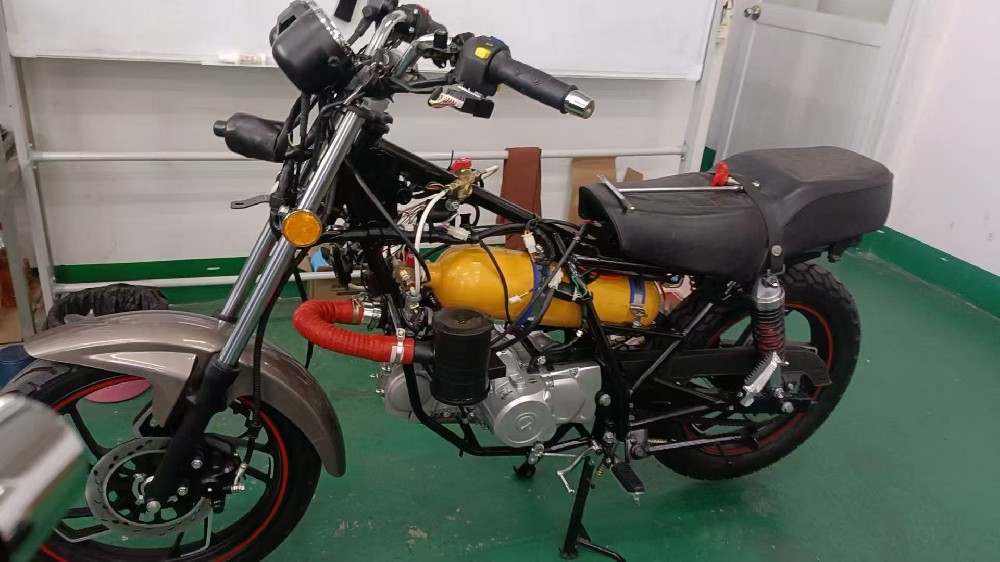
Multi-segment product range matters. The same cities that are running 12-metre buses also still rely heavily on light commercial vans, taxis, and three-wheelers for last-mile transport. Manufacturers that can supply a complete range — CNG sequential conversion kits for cars, LPG kits for taxis, single-point reducer kits for light commercial vehicles, and motorcycle-grade kits for the country's large two-wheeler population — can address several segments in parallel.
Duty-free channel for finished gas vehicles, but kits still required. The duty-free directive covers fully natural gas-powered freight vehicles, but it does not replace the retrofit market. Most of Ethiopia's fleet, including the 1,200 city buses in scope, will be converted on home soil rather than imported as factory-built gas vehicles. That keeps pressure on demand for high-quality, certified conversion kits and installer training.
Practical considerations for distributors and installers
Documentation and certification matter. Public-fleet conversions and freight-vehicle imports both go through customs and federal inspection. Suppliers that ship full certification dossiers — pressure-test reports, conformity documents, installation manuals, and after-sales service plans — help Ethiopian importers clear compliance hurdles faster.
Calibration for highland operation. Addis Ababa sits above 2,000 metres and routes such as Addis Ababa–Dire Dawa and Addis Ababa–Adama cross significant altitude changes. ECU maps, reducer settings, and injector calibration must be proven for highland operation rather than re-tuned at installation. Manufacturers with adaptive ECU platforms are well placed.
Aftermarket support wins contracts. Ethiopian operators regularly cite spare-parts availability and on-site technical support as decisive factors in awarding fleet contracts. Regional spare-parts depots, partner-led installer training, and written service-level commitments convert one-off shipments into long-running accounts.