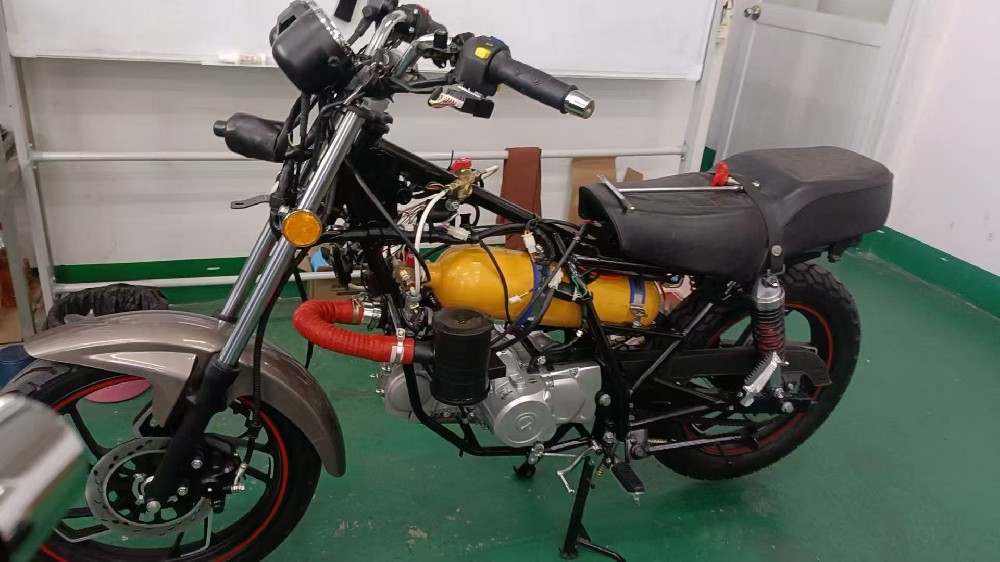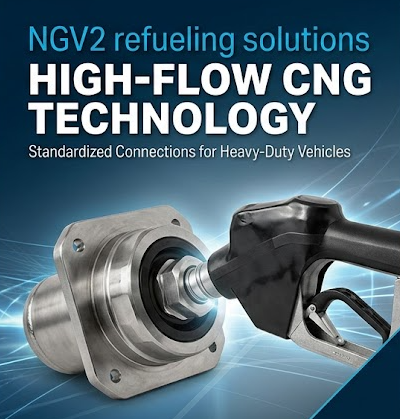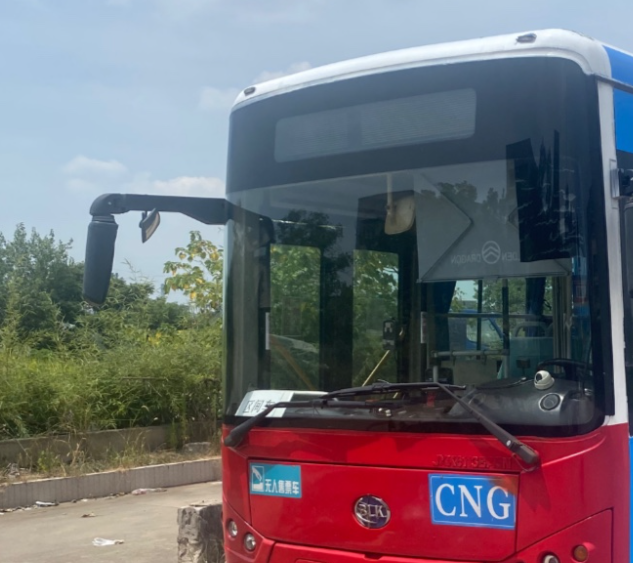

For international distributors, regional importers, and government fleet contractors, sourcing alternative fuel conversion equipment requires uncompromised product quality and strict compliance risk control. High-pressure natural gas systems operating at 200 bar demand flawless manufacturing tolerances to eliminate safety hazards, product recalls, and liability risks.
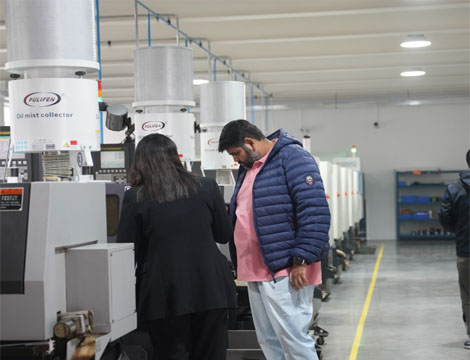
Comprehensive Factory Testing and Quality Verification
Top-tier automotive gas equipment producers enforce multi-stage quality control (QC) protocols throughout the production lifecycle, ensuring every batch meets rigorous international standards like UN ECE R110, ECE 67R-01, and ISO 15500.
100% Automated Helium Leak Detection: Every individual CNG reducer body and solenoid valve undergoes automated high-pressure helium leak testing rather than random batch sampling.
Thermal Cycling & Pressure Endurance: Regulators and high-pressure fittings are subjected to extreme temperature ranges (-40°C to +120°C) and pressure spikes to verify membrane elasticity and seal integrity.
Precision CNC Machining Tolerances: Critical component housings are machined on multi-axis CNC centers to maintain sub-micron tolerances on valve seats and internal gas channels.
Mitigating Supply Chain & Regulatory Risks for Importers
By partnering with factories that maintain full traceability on raw materials (such as aerospace-grade aluminum alloys and high-grade fluororubber seals), autogas importers reduce regulatory clearance risks at destination customs while providing end customers with long-term operational safety.
Frequently Asked Questions
Why is helium leak testing preferred over standard air pressure tests?
Helium has significantly smaller atomic particles than air, allowing automated sensors to detect micro-porosities and hairline cracks in aluminum castings that standard air underwater bubble tests would miss.
What documentation should B2B buyers request for customs compliance?
Importers should request official E-mark certification certificates (ECE R110 / ECE 67R), ISO/TS 16949 quality management documentation, and material test certificates (MTC) for high-pressure metallic components.