
Quick Summary: LPG/CNG injector rail noise—often described as a harsh "clicking" or "tapping" sound—is primarily caused by metal-on-metal impact during rapid solenoid plunger actuations. Over time, internal rubber dampening pads degrade or piston stroke clearance widens, sending high-frequency mechanical vibration through the intake manifold into the cabin. Upgrading to rubber-damped mounting brackets, recalibrating plunger stroke clearance, or installing silent-type injector rails resolves the sound.
Reddit Mechanic Experience: Why My Gas Injectors Sounded Like a Sewing Machine
"To be completely honest with you guys, when I first switched my daily driver over to LPG, I loved saving money on gas, but the injector noise almost made me regret the mod. As soon as the ECU toggled from petrol to gas, this sharp, metallic 'tick-tick-tick-tick' would kick in under the hood. At stoplights or inside drive-thrus, it was so loud that people in the next lane thought my engine had serious valve lifter chatter!"
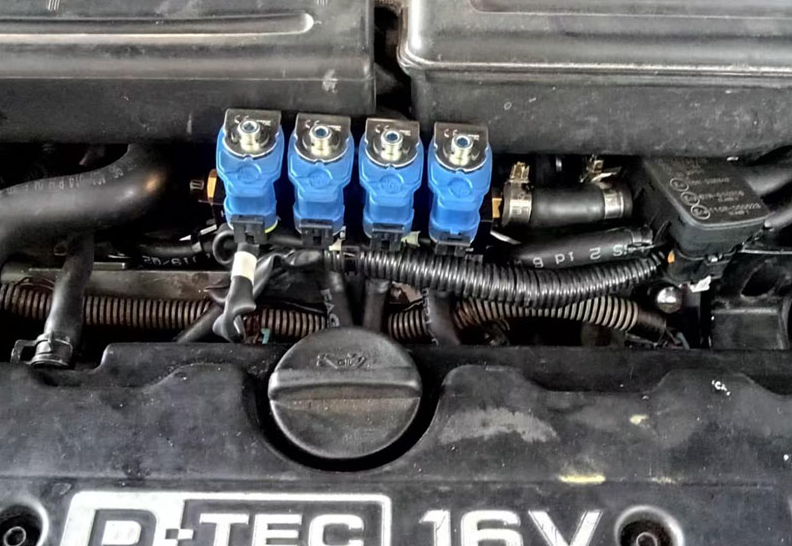
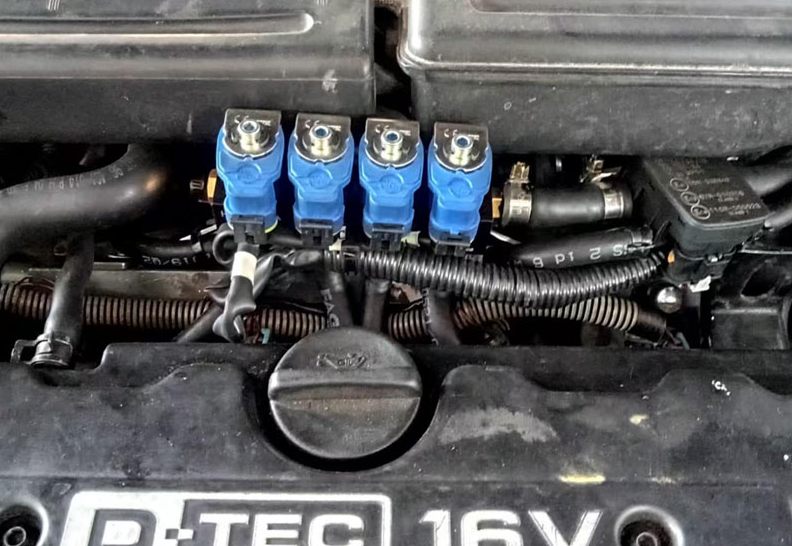
"I took off the rail to see what was actually going on. Turns out, cheaper budget rails use basic metal plungers with paper-thin rubber pads inside the solenoids. After a few thousand miles of high-frequency pulses, those tiny pads get hammered flat or disintegrate completely. Every time the coil fires, the plunger hits the metal stop directly. Plus, mounting the rail flush against the metal intake manifold turned the whole engine bay into a giant soundboard amplifier."
"How we fixed it: We isolated the rail from the manifold using thick rubber silent-block mounts, adjusted the solenoid plunger stroke clearance back to spec, and eventually swapped out the worn unit for a high-durability, rubber-padded 3-ohm rail (LPG CNG Injector Rail). Now the hood is virtually silent, and you can barely tell when it switches to gas."
Why LPG/CNG Injectors Tap Loudly: Mechanical Physics & Solenoid Design
Unlike liquid petrol injectors that operate at extremely low displacement with thin needle valves, gas injector rails must move significantly larger gas volumes under higher differential pressure. This requires a larger internal plunger driven by a powerful solenoid coil. The continuous high-speed impact (cycling 10 to 50 times per second) produces substantial kinetic energy that turns into audible tapping if unmitigated.
Primary Root Causes of Excessive Injector Rail Noise
Degraded Rubber Dampening Elements: The internal micro-rubber pads or O-rings designed to cushion the plunger return stroke wear down from continuous chemical exposure and thermal heat cycles.
Excessive Plunger Stroke Clearance: As internal mechanical stops wear down, the gap between the plunger and the coil core increases, causing harder metallic collisions and erratic flow calibration.
Direct Rigid Mounting: Bolting the metal injector rail directly onto the engine block or intake manifold transfers mechanical vibrations directly into the chassis and vehicle cabin.
Frequently Asked Questions: LPG & CNG Injector Loud Tapping Noise
Is a loud clicking sound normal for LPG/CNG gas injectors?
A mild clicking sound is normal because gas solenoids physically move a piston to deliver gas vapor. However, loud or metallic "tapping" that can be heard clearly inside the cabin indicates worn internal dampening pads, excessive stroke clearance, or improper mounting isolation.
How can I reduce the noise coming from my LPG injector rail?
First, install rubber anti-vibration mounts (silent blocks) between the rail and the engine bracket to stop sound resonance. Second, check whether your rail can be serviced with a rebuild kit containing fresh internal seals and spring cushions, or upgrade to a quiet-operation model such as the 3 Ohm High Precision Injector Rail.
Does loud injector tapping affect engine performance?
Yes. Loud tapping often signals that the plunger stroke has widened out of specification. This alters the response timing and gas injection duration per cylinder, leading to rough idling, fuel trim imbalances, and potential engine misfires.
What components should I choose for a quiet and durable gas conversion system?
Opt for low-resistance, high-speed injectors equipped with built-in vulcanized rubber stops and aluminum rail housings. Pairing quiet rails with a well-regulated supply pressure from a sturdy pressure reducer—such as those featured in a complete CNG LPG Conversion Kit—ensures quiet cabin comfort and consistent fuel delivery across all RPM ranges.