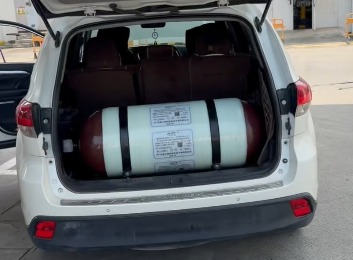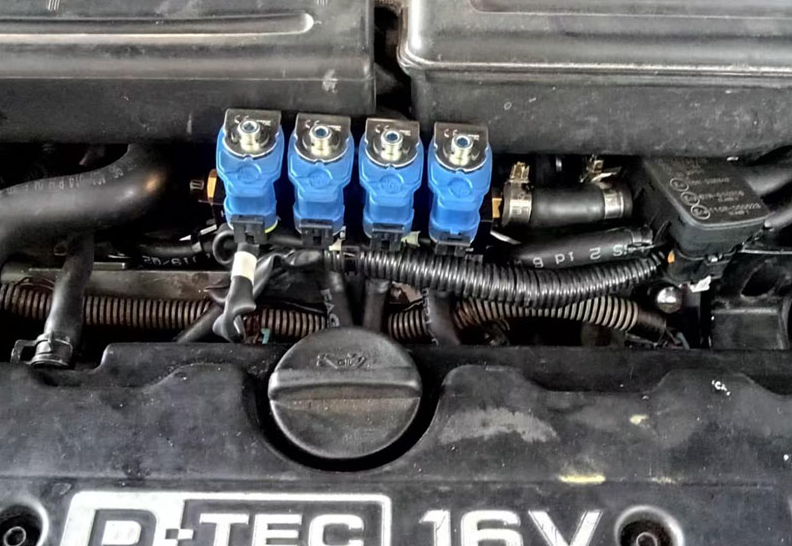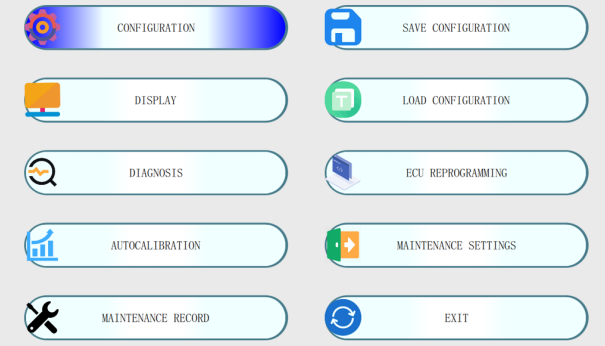

Quick Summary: Installing a brand-new LPG or CNG reducer only to find it leaking gas immediately or spiking output pressure is a serious safety hazard. This issue is typically caused by uncalibrated internal pressure adjustment screws, loose brass fittings, or debris lodged in the high-pressure seat during unboxing, causing raw gas pressure to blow past the low-pressure diaphragm. Backing off the tension screw, inspecting inlet seats, and pressure-testing before engine start resolves the issue.
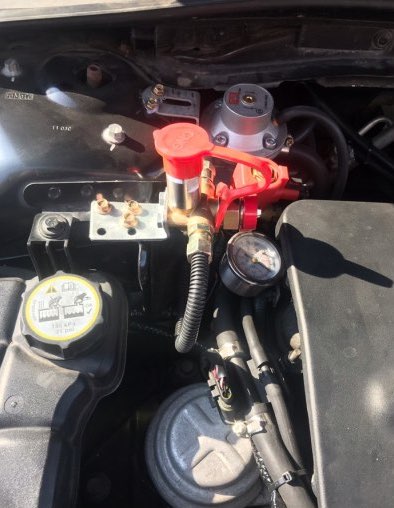
Reddit Mechanic Experience: Brand-New Reducer Leaked Gas straight Out of the Box
"To be completely honest with you guys, when I unboxed a brand-new aftermarket gas reducer for a customer conversion, I expected a plug-and-play install. But the second we opened the main tank valve for the initial leak check, we heard a loud hiss and the outlet pressure gauge instantly pegged past max limit! Gas was blowing straight past the pressure relief valve into the engine bay."
"We immediately shut off the tank tank valve and purged the lines. After pulling the regulator cover off, the problem was obvious: the factory hadn't locked down the internal tension adjustment screw properly during assembly. It was left turned so far in that the main spring was fully compressed, forcing the valve seat wide open and dumping raw 200-bar tank pressure directly against the delicate low-pressure diaphragm."
"How we fixed it: We completely backed off the main pressure adjuster screw before re-pressurizing, cleared out a tiny metal shaving near the inlet valve seat, and dialed the working pressure back up incrementally. However, to avoid playing Russian roulette with quality control on customer cars, we eventually switched to factory air-tested units like the CNG High Pressure Reducer. Now every installation holds rock-solid pressure from the very first key turn."
Why Brand-New Reducers Leak or Spike Pressure: Mechanical Failures
A gas pressure reducer converts extremely high tank pressures (up to 200 bar for CNG or 16 bar for LPG) down to a stable working pressure (typically 1.0 to 2.2 bar) for the injector rail. When a newly installed unit leaks or overpressurizes immediately, it indicates a breakdown in mechanical pressure regulation before the gas even reaches the engine manifold.
Primary Root Causes of Initial Install Pressure Spikes
Overtightened or Loose Adjustment Screws: If the internal T-handle or hex adjuster spring is turned in too far during shipping or assembly, the valve stem cannot close, causing full inlet pressure to flood the low-pressure chamber.
Inlet Seat Contamination: Machining debris, metal burrs, or thread sealant tape lodged in the high-pressure valve seat prevents the rubber sealing pad from seating tightly.
Inadequate Factory Testing: Lower-tier manufacturers occasionally skip 100% pneumatic high-pressure bench testing, allowing units with improperly torqued casing bolts or misaligned diaphragms to reach installers.
Frequently Asked Questions: New LPG & CNG Reducer Leaks and Pressure Spikes
Why is gas leaking out of my newly installed LPG/CNG reducer?
A gas leak on a new reducer usually stems from loose inlet fittings, unevenly torqued body bolts, or an overpressurized low-pressure chamber venting through the safety relief valve. Always perform a leak test with soapy water or a electronic gas detector before starting the engine.
What causes a new gas reducer outlet pressure gauge to peg out?
This happens when raw cylinder pressure bypasses the high-pressure valve stage. The most common culprit is an overly tightened internal regulator spring screw or factory debris holding the valve poppet open, allowing high pressure to blow directly into the outlet hose.
How do I adjust the output pressure on a new LPG or CNG regulator?
Before turning on the gas tank valve for the first time, back off the central pressure adjustment screw counterclockwise to relieve tension on the internal spring. Slowly open the gas valve, connect your diagnostic software or analog pressure gauge, and turn the screw clockwise to dial in the exact working pressure specified for your CNG LPG Conversion Kit.
How can I ensure my gas injectors are protected from reducer pressure spikes?
Installing an online MAP/pressure sensor and using precision-calibrated injector rails—such as a durable LPG CNG Injector Rail—ensures that if an abnormal pressure surge occurs, the gas ECU will immediately trigger a safety shutdown and switch the engine back to petrol mode.