
What Are the Main Components of a CNG LPG Auto Gas Conversion System?
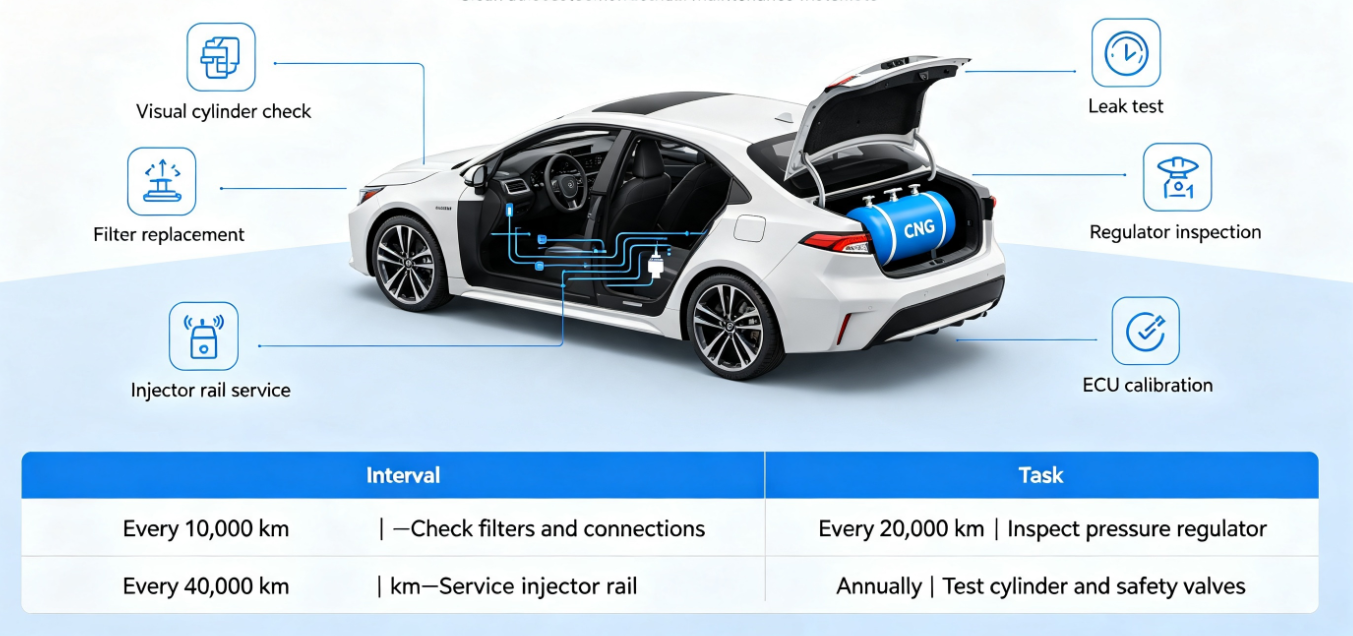
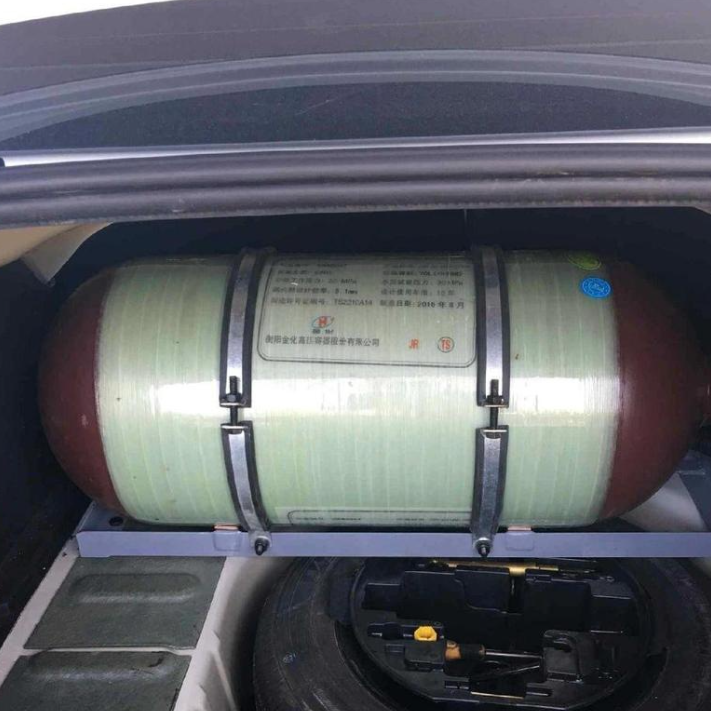
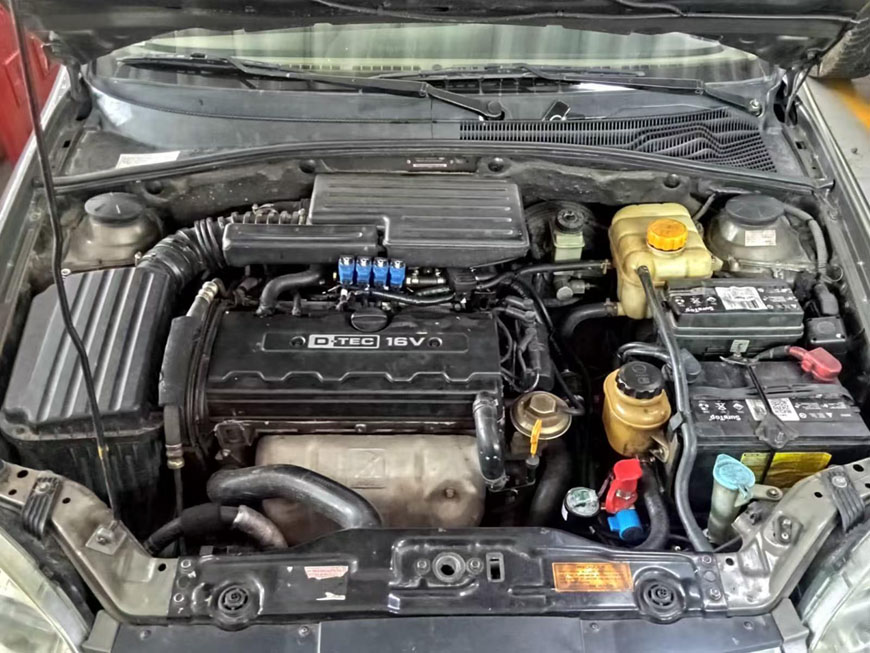
A complete automotive gas conversion kit consists of several precision-engineered mechanical and electronic components working together to ensure safe, efficient, and clean fuel combustion. Below are the primary core components included in standard 4, 6, or 8-cylinder conversion systems:
CNG / LPG Pressure Reducer (Regulator):
Reduces high pressure from the gas cylinder (up to 200–250 bar for CNG, 10–30 bar for LPG) down to a stable operating pressure (~1.0 to 2.0 bar) required by the injectors.
Gas Electronic Control Unit (Gas ECU):
The "brain" of the conversion system. It processes signals from oxygen sensors, MAP sensors, gas temperature/pressure sensors, and the original vehicle ECU to control gas injection timing.
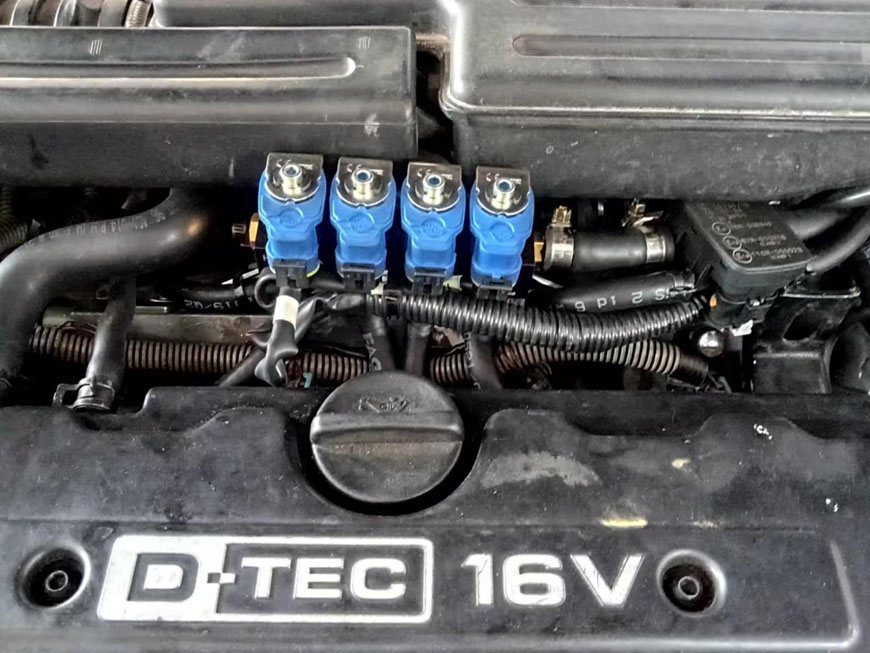
Gas Injector Rail:
A set of high-speed electro-valves (available in 2, 3, or 4-cylinder configurations) that deliver precise amounts of gas into individual engine cylinders.
Changeover Switch & Fuel Indicator:
A dashboard-mounted switch that allows the driver to select between petrol and gas fuel modes manually, while displaying real-time gas level indicator LEDs.
MAP & Pressure Sensor:
Monitors engine intake manifold pressure, gas pressure, and vacuum pressure to continuously calibrate the gas supply under changing driving conditions.
Wiring Harness & Solenoid Valves:
Heavy-duty automotive-grade wiring looms and safety shut-off valves that cut off gas flow automatically when the engine stops or in case of an emergency.
Frequently Asked Questions
What are the primary components of an autogas conversion system?
The core components include a pressure reducer regulator, gas ECU, high-speed injector rail, MAP and pressure sensor, changeover switch with fuel gauge, and an automotive-grade wiring harness with safety shut-off solenoid valves.
What function does the Gas ECU perform during bi-fuel operation?
The Gas ECU acts as the central processor, reading engine parameters and sensors (MAP, gas temperature, pressure, and OEM ECU signals) to precisely calculate and control gas injection timing.