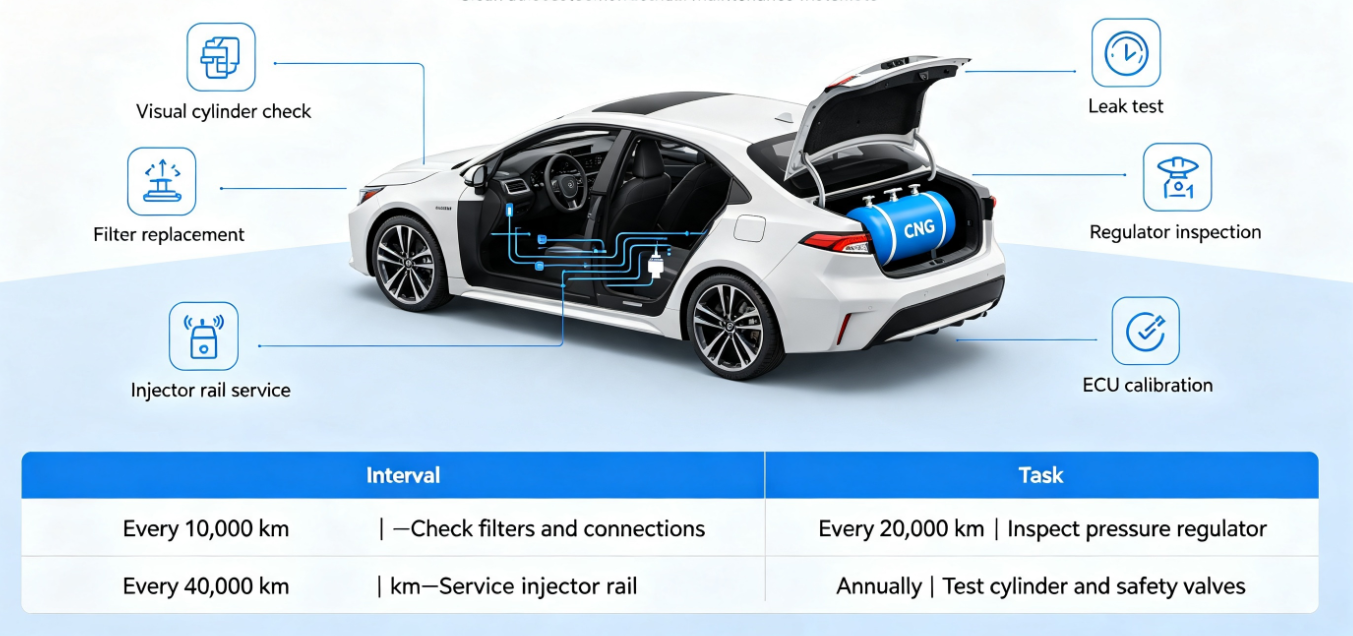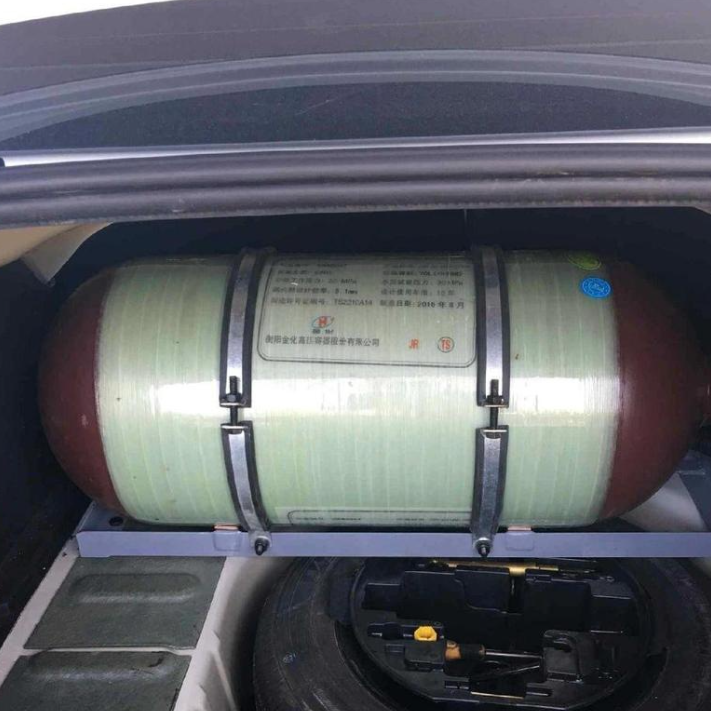

How Does a CNG Pressure Reducer Regulator Work in a Vehicle Fuel System?
A CNG pressure reducer (also called a CNG regulator) is a crucial safety and performance component in any natural gas vehicle conversion. Because Compressed Natural Gas is stored in cylinders at extreme pressures (up to 200–220 bar), it cannot be fed directly into the engine. The reducer steps down this high pressure to a stable low pressure (typically around 1.2 to 2.0 bar) for combustion.
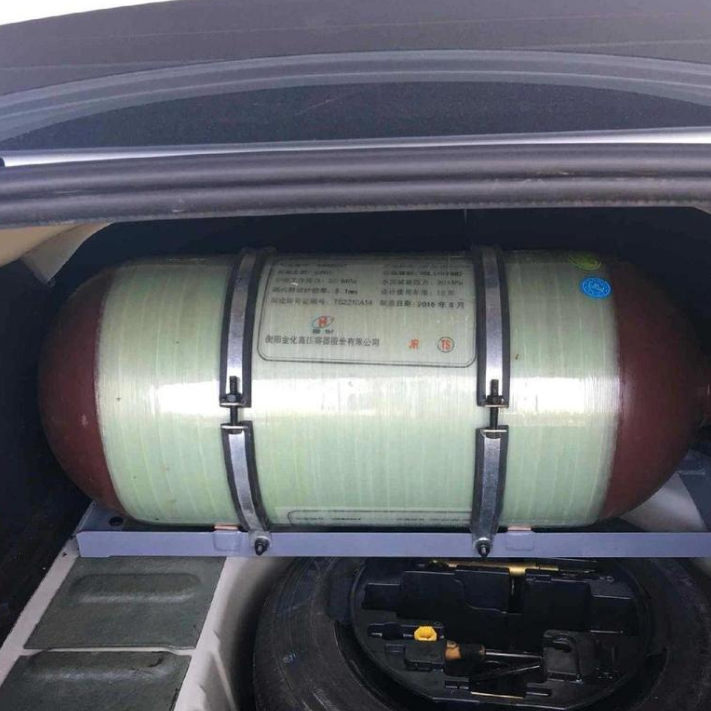
Two-Stage Reduction Process
Most high-performance automotive CNG reducers utilize a two-stage or multi-stage pressure reduction design:
Stage 1 (High-Pressure Stage): Drops the incoming gas pressure from 200 bar down to an intermediate level (approximately 5 to 10 bar).
Stage 2 (Low-Pressure Stage): Further reduces and stabilizes the pressure to the final working level required by the injection rail, regardless of engine load changes.
Integrated Heating Circuit
During high-pressure gas expansion, intense thermodynamic cooling occurs (Joule-Thomson effect). To prevent freezing inside the regulator body, CNG reducers are connected directly to the vehicle's engine coolant circuit. Engine coolant circulates through internal water channels within the aluminum alloy body, keeping the reducer warm and maintaining steady gas vaporization.
Frequently Asked Questions
What does a CNG pressure reducer regulator do in a vehicle fuel system?
A CNG pressure reducer steps down the extreme pressure of gas stored in the cylinder (200–220 bar) to a stable low working pressure (typically 1.2 to 2.0 bar) required by the fuel injectors.
Why does a CNG pressure regulator need to connect to the engine coolant circuit?
Rapid pressure drop causes severe thermodynamic cooling (Joule-Thomson effect). Circulating warm engine coolant through the regulator prevents internal freezing and guarantees stable gas flow.