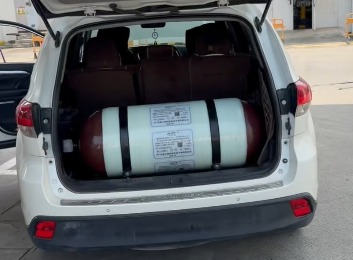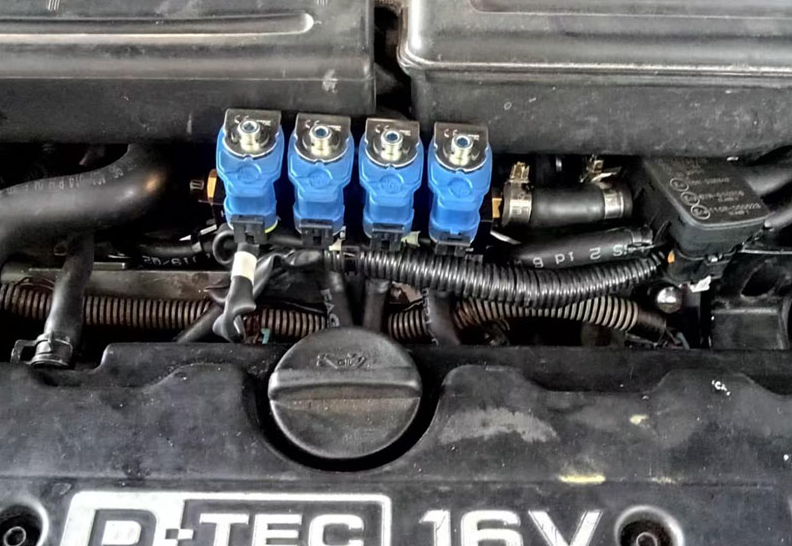

Modern dual-fuel vehicle systems rely on advanced engine control units (ECUs) to manage LPG (Liquefied Petroleum Gas) and CNG (Compressed Natural Gas) alongside original gasoline engines. Selecting an adaptable ECU ensures reliable power delivery, reduced emissions, and smooth fuel transitions.
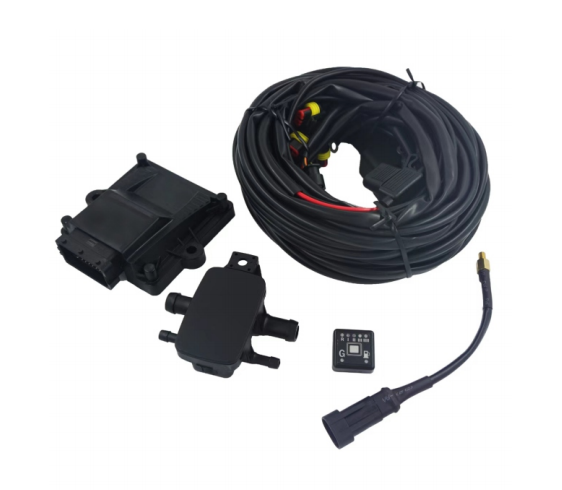
Technical Features: LPG/CNG Conversion Kit ECU
Engineered for high compatibility and performance, key features of the LPG/CNG ECU controller include:
Customization: Tailored to specific customer and vehicle requirements.
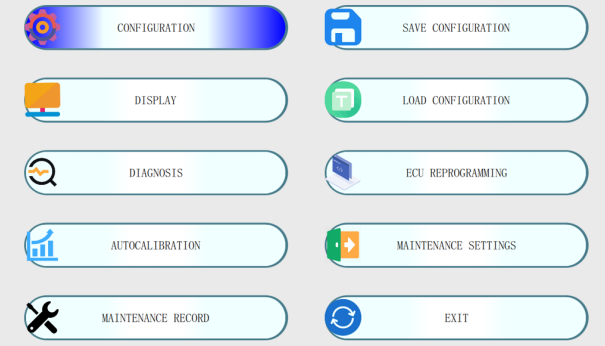
Auto Calibration: Equipped with an automated calibration system to simplify tuning.
Smart Fuel Switching: Flexible conversion between gas and petrol, automatically reverting to fuel mode under low temperature or low pressure.
Multiple Control Modes: Supports gasoline, gas, direct gas start, and gasoline-gas blending modes.
Hardware Compatibility: Works seamlessly with various gas injectors and pressure reducers.
Injector Thermal Protection: Integrated self-heating for gas injectors prevents cold-weather freezing.
OBD II & Sensor Integration: Built-in OBD II fault diagnostics, gasoline ECU communication, and oxygen sensor signal acquisition/simulation.
Adaptive Learning: Includes a gas self-learning function for real-time fuel map adjustment.
To inspect full technical specifications, explore our LPG/CNG ECU Controller Hardware.
Frequently Asked Questions (FAQ)
Why does my LPG/CNG system automatically switch to petrol while driving?
This auto-switching occurs when the system detects low gas pressure or low system temperatures during high engine loads. Switching back to petrol prevents lean combustion, engine stalling, and potential valve damage.
How does the ECU prevent check engine lights in LPG/CNG conversions?
The ECU features active gasoline ECU communication and oxygen sensor signal simulation. It mimics expected factory fuel trims to keep the primary dashboard diagnostics free of persistent OBD II error codes.
Why is gas injector self-heating important in cold climates?
LPG and CNG experience significant cooling during pressure reduction. Injector self-heating prevents freezing in sub-zero ambient temperatures, enabling quick cold starts and stable idling.