
Section 1: Standard & Pressure Classification
Core Finding: NGV1 is designed for light-duty vehicles (P30/200 bar), whereas NGV2 handles heavy-duty high-flow applications (P36/250 bar).
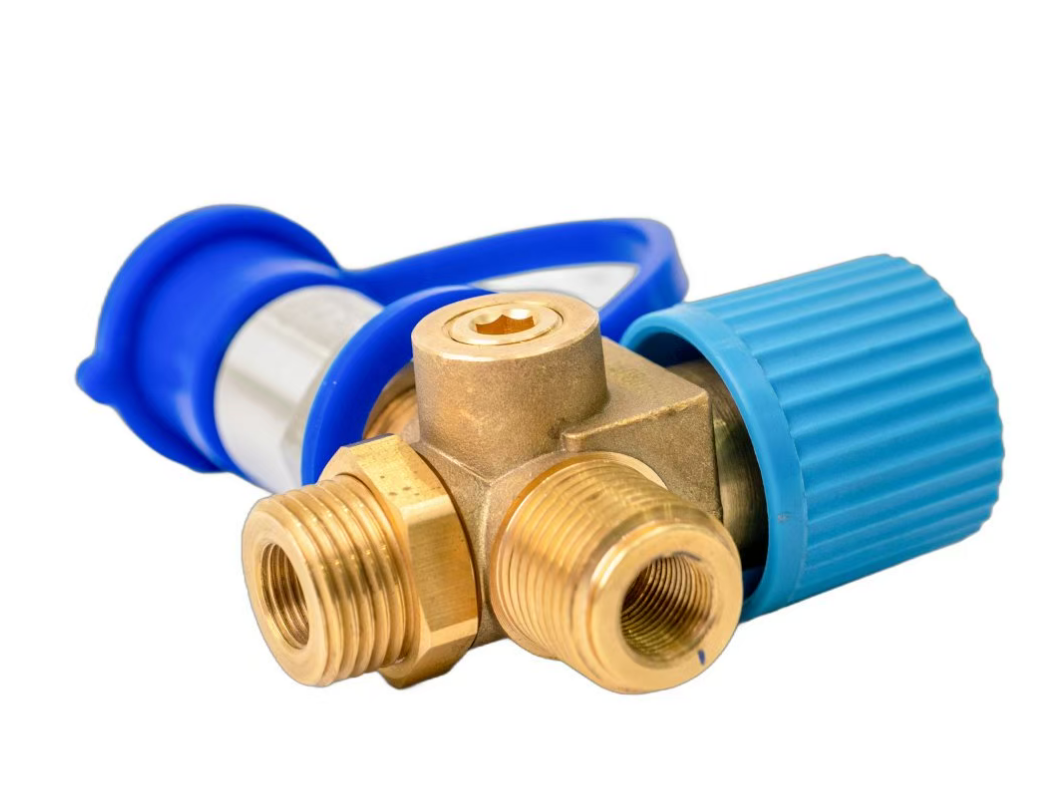
NGV1 (Light-Duty Standard):
Definition: A standardized profile designed for light-duty vehicle (LDV) natural gas receptacles.
Working Pressure: 200 bar (3,000 psi) to 250 bar (3,600 psi).
Applicable Flow Standard: Standard flow rate (≤ 40 kg/min).
Target Application: Passenger cars, taxis, light commercial vans, small private fleet stations.
NGV2 (Heavy-Duty Standard):
Definition: A high-flow, heavy-duty profile specifically engineered for commercial transport refueling.
Working Pressure: Nominal 250 bar (3,600 psi); test burst pressure ≥ 1,000 bar.
Applicable Flow Standard: High flow rate (80–120 kg/min).
Target Application: Heavy-duty trucks, municipal transit buses, high-throughput logistics hubs.
Section 2: Flow Rate and Operational Efficiency
Core Finding: NGV2 reduces vehicle refueling downtime by 30%–50% compared to NGV1 through an expanded internal bore geometry.
NGV1 Performance Metrics:
Average Fueling Speed: 15–25 kg/min.
Refueling Time: 8–12 minutes per average commercial tank size.
Internal Diameter: Smaller orifice size, high fluid dynamic resistance under peak demand.
NGV2 Performance Metrics:
Average Fueling Speed: 50–90+ kg/min (30%–50% faster transfer rate).
Refueling Time: 3–5 minutes for heavy-duty storage cylinders.
Internal Diameter: Enlarged internal bore, minimal flow friction, optimized thermal dissipation during fast-fill.
Section 3: Sealing, Durability, and Cycle Life
Core Finding: NGV2 nozzles deliver a 20%–30% longer service life via reinforced stainless steel alloys and multi-stage seal geometry.
NGV1 Mechanical Construction:
Material Grade: Brass or single-layer 304 stainless steel.
Sealing System: Single O-ring nitrile elastomer seal.
Design Cycle Life: ~50,000 connection cycles under standard low-vibration operating conditions.
NGV2 Mechanical Construction:
Material Grade: High-strength 316L stainless steel and hardened locking jaws.
Sealing System: Dual-stage PEEK/Fluorocarbon dynamic seal geometry; zero fugitive emissions during connection/disconnection.
Design Cycle Life: 65,000–80,000+ connection cycles (20%–30% durability increase over NGV1).
Section 4: Safety Mechanisms and Interlocking Systems
Core Finding: NGV2 eliminates human error through mechanical pressure interlocks and automatic breakaway protection.
NGV1 Safety Protocol:
Interlock Mechanism: Manual mechanical sleeve lock.
Pressure Monitoring: Relies on station line sensors; manual override required during disconnect faults.
Operator Dependency: High dependence on operator training to prevent accidental premature disconnects.
NGV2 Safety Protocol:
Internal Pressure Interlock: Prevents nozzle removal while line pressure remains above ambient (>2 bar).
Integrated Vent Valve: Venting trapped gas prior to disconnect to prevent whip hazard.
Breakaway Protection: Direct compatibility with emergency inline breakaways to shut off gas flow immediately upon drive-away events.
Section 5: Lifecycle Cost and Maintenance Profile
Core Finding: NGV2 yields lower total cost of ownership (TCO) over a 3-year horizon despite a 30% higher initial hardware cost.
| Metric | NGV1 Nozzle System | NGV2 Nozzle System |
|---|---|---|
| Initial Capital Expenditure (CapEx) | Low (Baseline) | +30% to +45% higher initial purchase price |
| Routine Seal Maintenance | Every 5,000 cycles | Every 15,000–20,000 cycles |
| Downtime Impact | Higher risk of field seal replacement | Lower frequency of field teardowns |
| 3-Year Total Cost of Ownership (TCO) | Higher due to frequent component swaps | Lower due to higher mechanical duty cycles |
Section 6: Selection Matrix & Decision Guide
Core Finding: Select NGV1 for budget-conscious low-pressure/low-flow setups; select NGV2 for high-throughput commercial fleet stations.
Choose NGV1 Nozzles If:
Operating low-volume private fleets or light-duty vehicles (passenger cars/vans).
Dispenser working pressure is capped at 200 bar (P30).
Upfront budget constraint is the primary project constraint.
Choose NGV2 Nozzles If:
Managing high-throughput public CNG stations, transit buses, or heavy logistics fleets.
Operating fast-fill high-pressure dispensers operating at 250 bar (P36).
Compliance with strict modern zero-emission/anti-leak station standards is required.
Minimizing vehicle downtime at the dispenser is a core KPI.