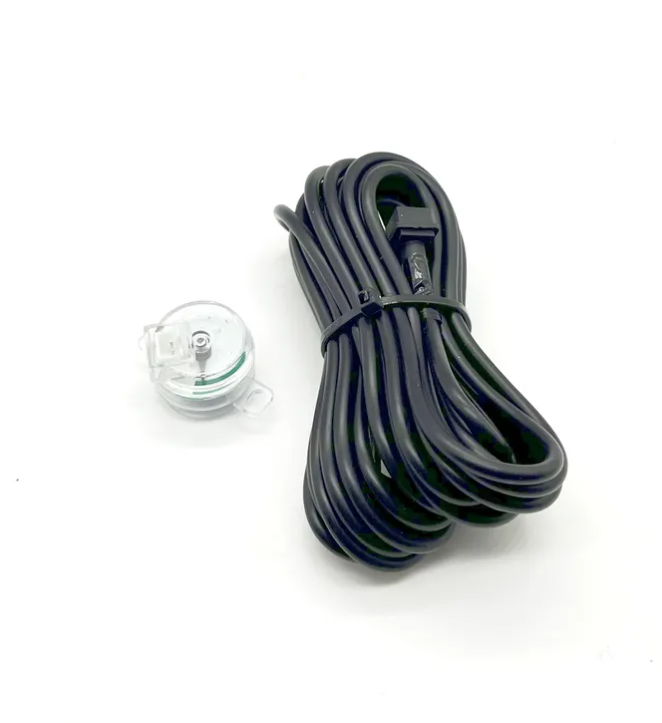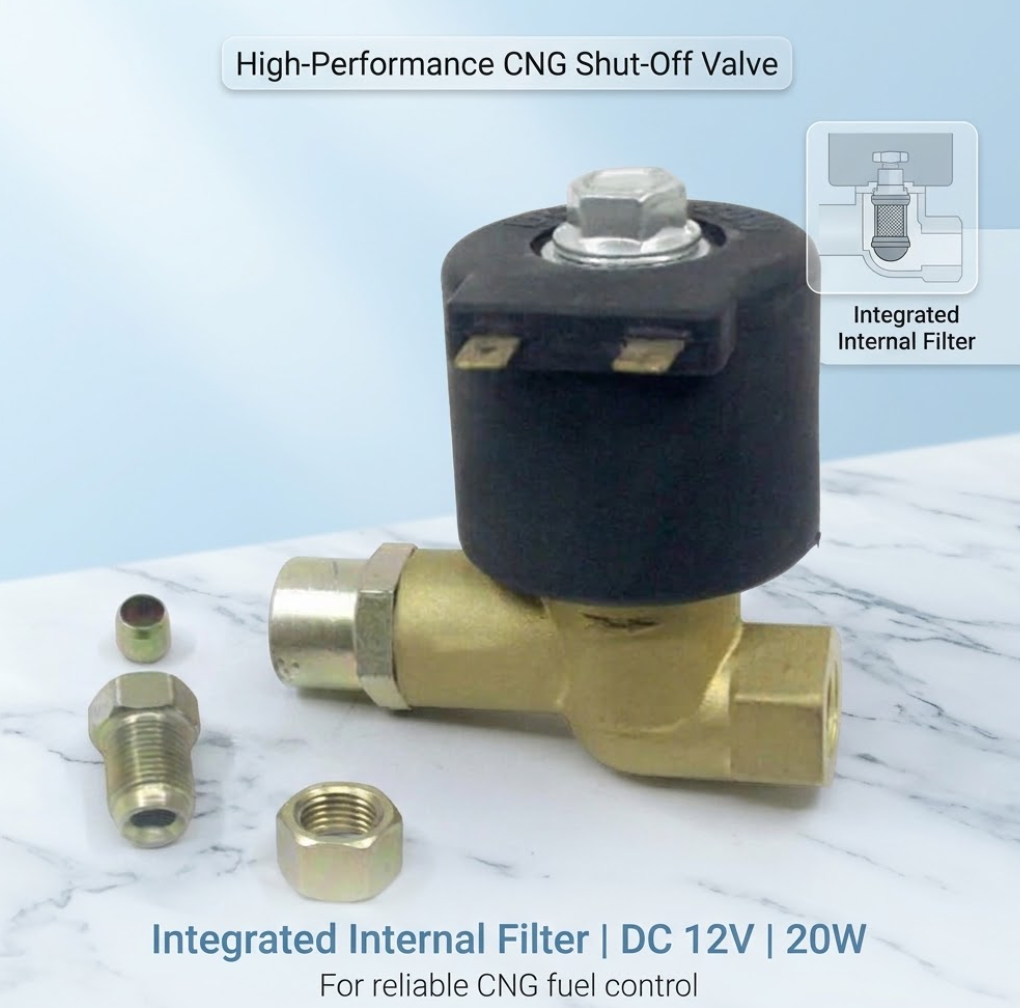

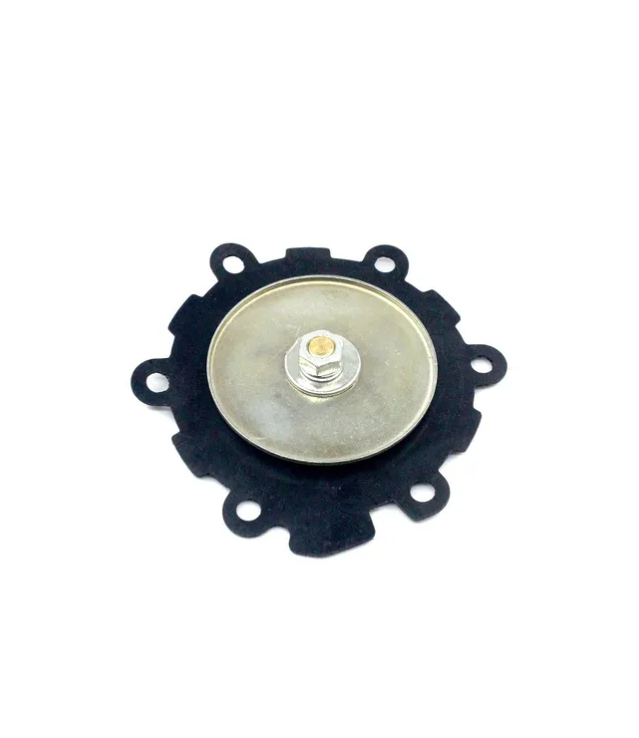
LPG Reducer Maintenance Kit for AT13
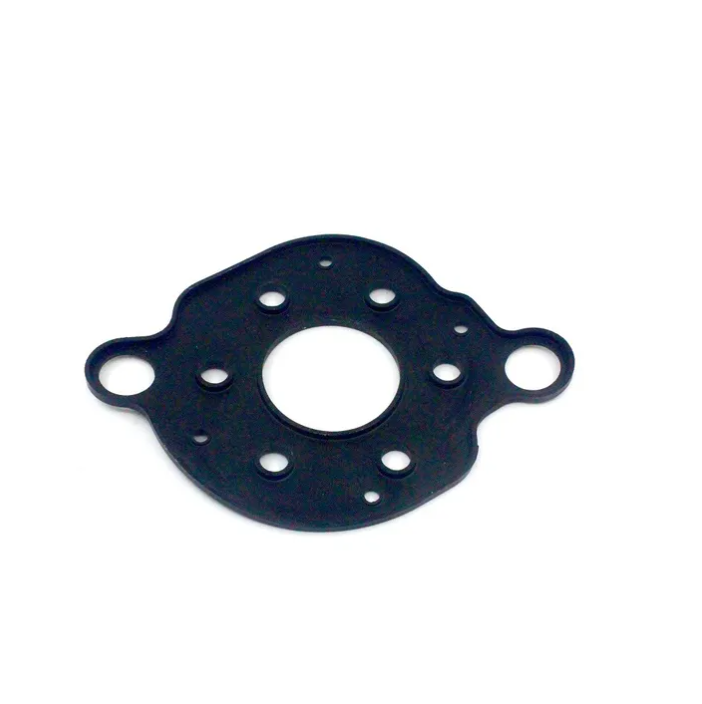
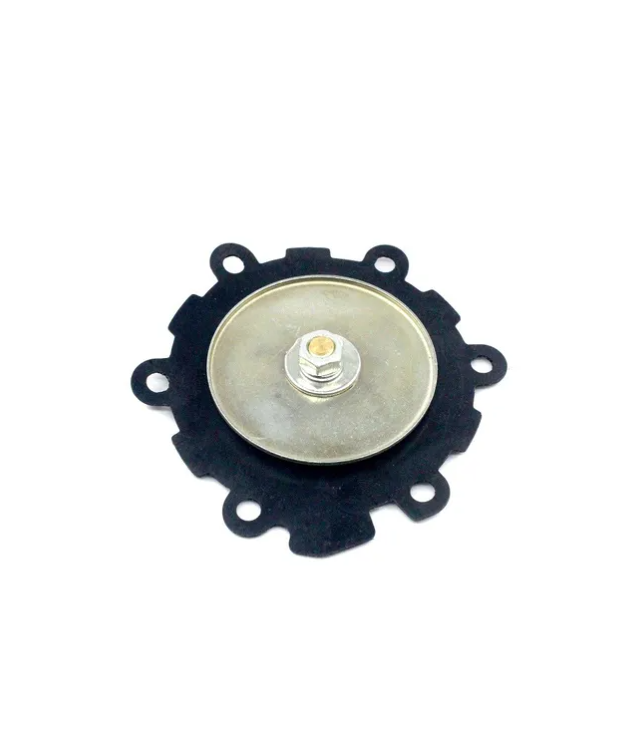
The AT13 LPG reducer maintenance kit includes a replacement diaphragm, filter and cover for compatible automotive LPG pressure regulators. It is intended for maintenance of serviceable AT13 reducer assemblies, not for replacing the complete regulator.
Before buying a repair kit, check the exact reducer version and the dimensions of the original parts. A matching model name does not guarantee that every diaphragm or cover will fit.
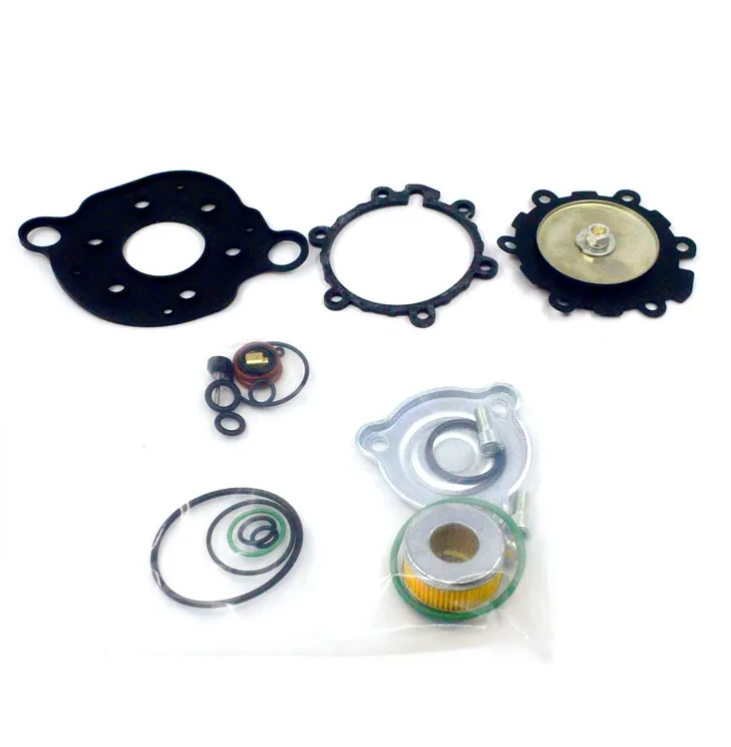
AT13 Repair Kit Specifications
| Product | AT13 LPG Reducer Maintenance Kit |
|---|---|
| Fuel | LPG |
| Reducer Compatibility | Compatible AT13 LPG Reducers |
| Kit Components | Diaphragm, Filter and Cover |
| Color | Black |
| Application | Automotive LPG Reducer Servicing |
| Part Dimensions | Verify Against Original Parts |
| Service Requirements | Qualified LPG Technician |
What Problems Can an LPG Repair Kit Address?
An LPG regulator repair kit provides replacement parts for specified maintenance work. It does not automatically fix every pressure, starting or fuel-delivery problem.
Problem: LPG Pressure Keeps Changing
Pressure instability can be related to a worn diaphragm, contamination, valve wear or another problem within the LPG system.
The useful first step is proper diagnosis. If the diaphragm is damaged and the reducer is approved for servicing, a compatible replacement may be required.
Problem: LPG Filter Is Contaminated
Dirt and oily deposits can accumulate in LPG filtration components. A restricted filter may affect normal fuel delivery.
The filter supplied with this kit must match the original filter position and specification. Do not confuse the reducer filter with an external gas-phase filter.
Problem: Gas Smell Near the Reducer
A gas smell is not something to ignore. It may indicate leakage from a seal, connection, housing or another component.
Stop using the LPG system and arrange professional inspection. Do not assume a new diaphragm will automatically solve the leak.
Problem: Engine Runs Poorly on LPG
Rough idle, hesitation or unexpected switching back to petrol may involve regulator pressure, filters, injectors, sensors or calibration.
Replacing regulator parts without checking the actual fault may leave the problem unchanged.
Diaphragm, Filter and Cover Functions
| Component | Purpose | Important Check |
|---|---|---|
| Diaphragm | Part of the pressure regulation mechanism | Profile, dimensions and material suitability |
| Filter | Helps retain contamination in the relevant fuel circuit | Filter size and location |
| Cover | Replacement housing cover component | Mounting and sealing interface |
How to Identify the Correct AT13 Kit
The easiest way to avoid ordering the wrong LPG reducer repair parts is to compare the original components rather than relying on the product title alone.
Identify the complete reducer model.
Check the diaphragm size and shape.
Compare the filter construction.
Verify the cover mounting pattern.
Check for different reducer revisions.
Confirm that servicing is permitted.
Repair Kit or Complete Regulator?
A repair kit may be appropriate when the regulator is serviceable and the required maintenance involves components covered by the kit.
A complete regulator replacement may be necessary when the housing, valve seats or other critical components are damaged, or when the manufacturer does not permit rebuilding the assembly.
Frequently Asked Questions
My LPG reducer is leaking. Do I just need a new diaphragm?
Not necessarily. A damaged diaphragm is one possibility, but a bad seal, damaged housing or valve problem can also cause leaks. Don't keep running the vehicle to see if it gets worse. Have the gas system inspected properly.
Why is my LPG pressure still unstable after replacing the diaphragm?
Because the diaphragm might not have been the original problem. Valve wear, contamination, incorrect parts and other system faults can affect pressure. The regulator needs a proper pressure and function check.
Can I use any AT13 diaphragm repair kit?
Nope. Compare the actual parts. Check the diaphragm profile, cover and filter. Even a small difference in the sealing area can make a repair kit unsuitable.
Does a dirty LPG filter cause poor acceleration?
A restricted filter can contribute to fuel-delivery problems, but poor acceleration has plenty of possible causes. Check the fuel pressure and system condition before blaming the filter.
Can I rebuild an LPG regulator myself?
This isn't a normal DIY gasket job. You're dealing with a pressurized fuel system. Incorrect assembly or testing can cause dangerous gas leakage. Use a qualified LPG service technician.
Does the AT13 maintenance kit include every internal seal?
Don't assume that. The listed components are the diaphragm, filter and cover. If your repair needs additional seals, washers or valves, confirm those parts separately before starting work.
How often should I replace LPG reducer maintenance parts?
Follow the service interval for your exact reducer and vehicle system. Filter replacement and internal regulator rebuilding aren't necessarily done at the same interval.
Professional Maintenance and Testing
Reducer maintenance should follow the approved service documentation for the installed LPG system. After authorized servicing, the technician must verify leak tightness, pressure control and correct operation.
Specific test pressures, acceptable tolerances and inspection methods must be obtained from the applicable reducer documentation.
Wholesale Replacement Parts
For distributors and autogas repair workshops, provide the reducer model, photographs of the original components and the required kit quantity.
Confirming the component configuration before purchasing helps avoid incorrect repair kits and unnecessary downtime.
Related LPG Maintenance Resources
Read the CNG/LPG Vehicle Maintenance Guide for information about filter servicing and regulator inspection.
Browse Autogas Spare Parts to compare LPG maintenance components and other replacement equipment.