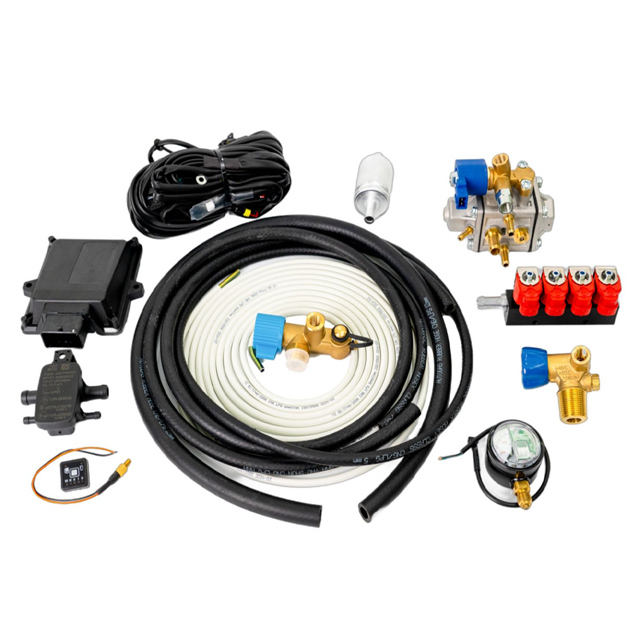

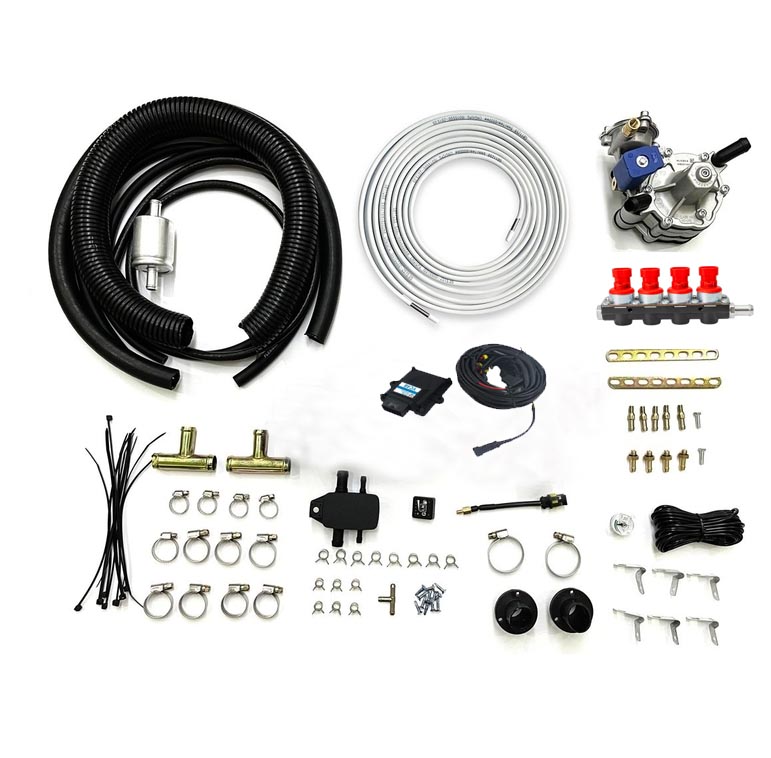
5th Generation 4-Cylinder CNG Sequential Gas Conversion Kit
| Fuel Type | CNG / LPG |
|---|---|
| Warranty | 24 Months |
| Brand Name | OEM / Customized |
| Product Name | 5th Generation 4 Cylinder CNG/LPG Sequential Gas Conversion Kit |
| Core Matching Part | CNG / LPG Injector Rail |
| Material | Aluminum, Metal Alloy |
| Color | Customized |
| System Type | Sequential Fuel Injection Type |
| Net Weight | 0.55 kg |
| Quality Standard | 100% Professional Full Test Before Shipment |
| OEM Service | Available |
| MOQ | 1 Piece (Sample Order Supported) |
| Packaging | Standard Export Carton Packaging |
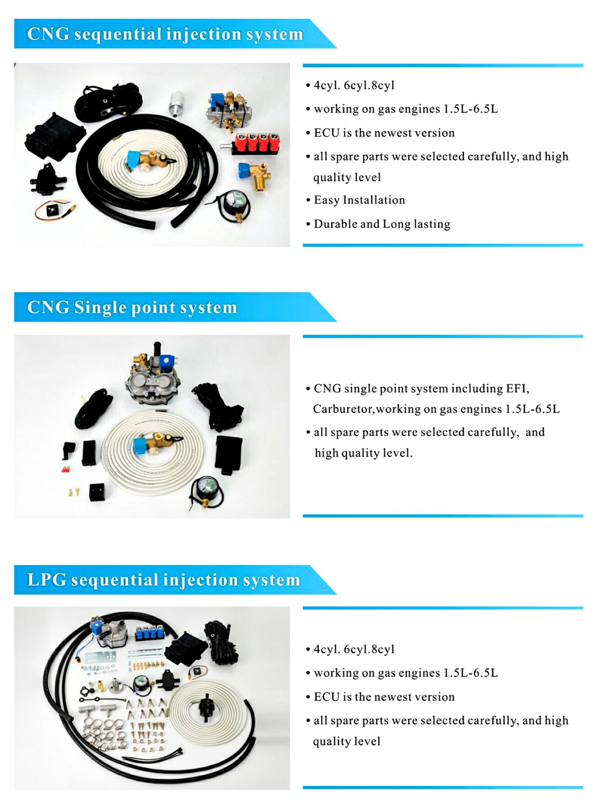
Converting traditional 4-cylinder gasoline passenger cars and light commercial vehicles to a bi-fuel compressed natural gas (CNG) or liquefied petroleum gas (LPG) system offers an effective solution to reduce daily fuel expenses by up to 50% while lowering greenhouse gas emissions. The advanced 4-Cylinder Petrol to CNG/LPG Sequential Fuel Injection Conversion Kit provides precise, cylinder-by-cylinder gas metering that mirrors the original engine control unit (ECU) parameters, maintaining smooth power output and engine durability.
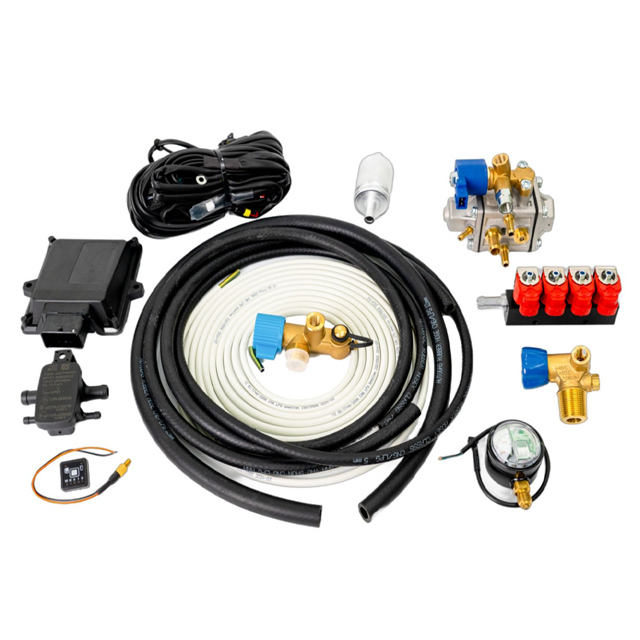
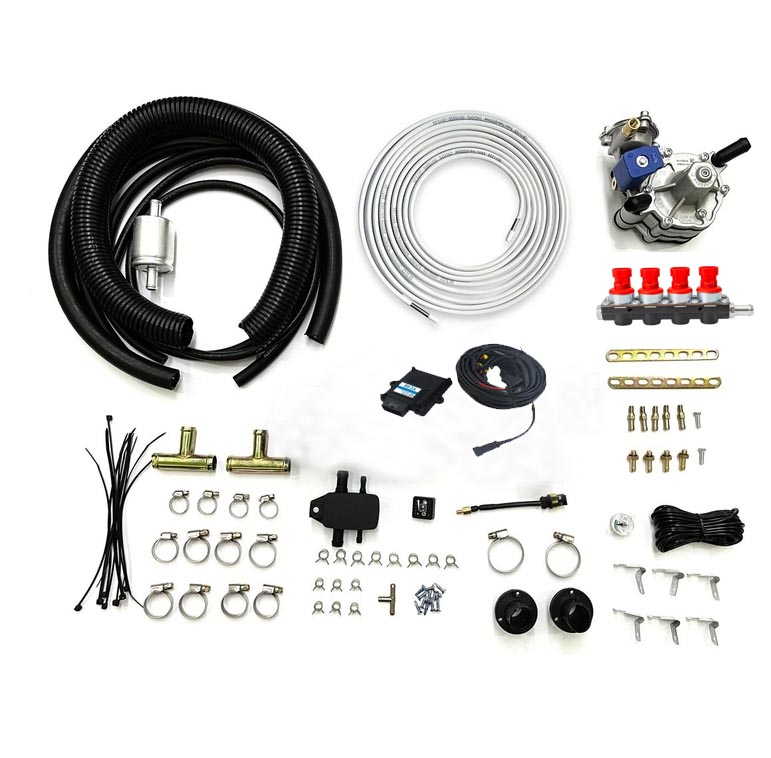
Core Components & Technical Architecture
Unlike older venturi-style mixers, a 4th-generation sequential gas injection system meters fuel individually to each cylinder manifold port. This eliminates engine backfiring, reduces emissions, and preserves throttle sensitivity during acceleration.
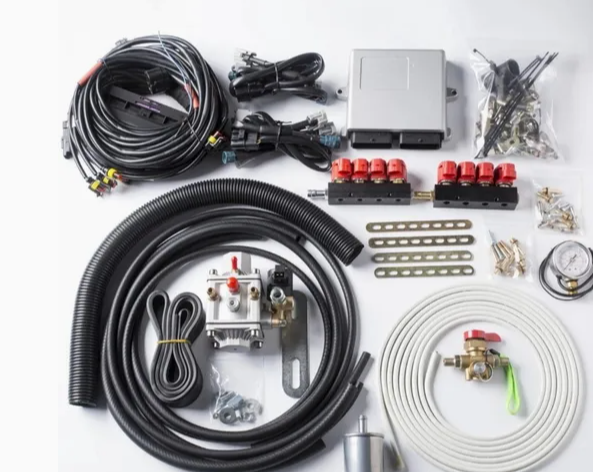
32-Bit Automotive-Grade Gas ECU: Analyzes manifold pressure (MAP), engine RPM, gas temperature, and fuel pressure to calculate real-time gas injection pulse widths.
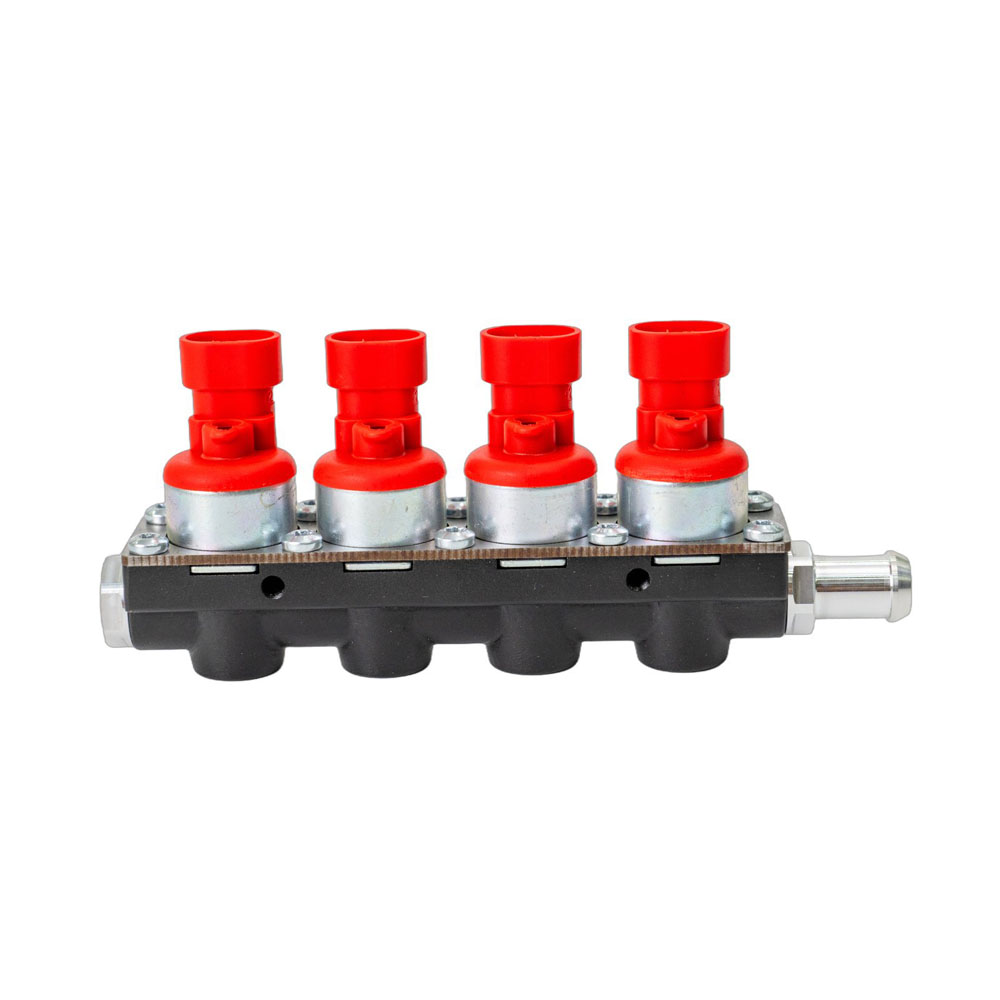
High-Speed 4-Cylinder Injector Rail: Built with low-resistance (1.5Ω–2.0Ω) solenoids for rapid opening/closing times (under 2.0 ms), delivering uniform fuel distribution across all cylinders.
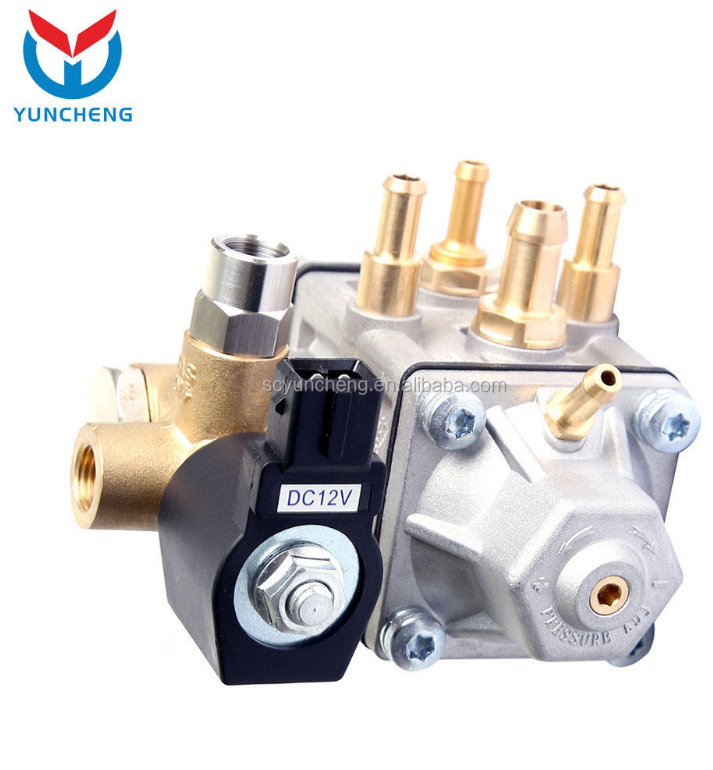
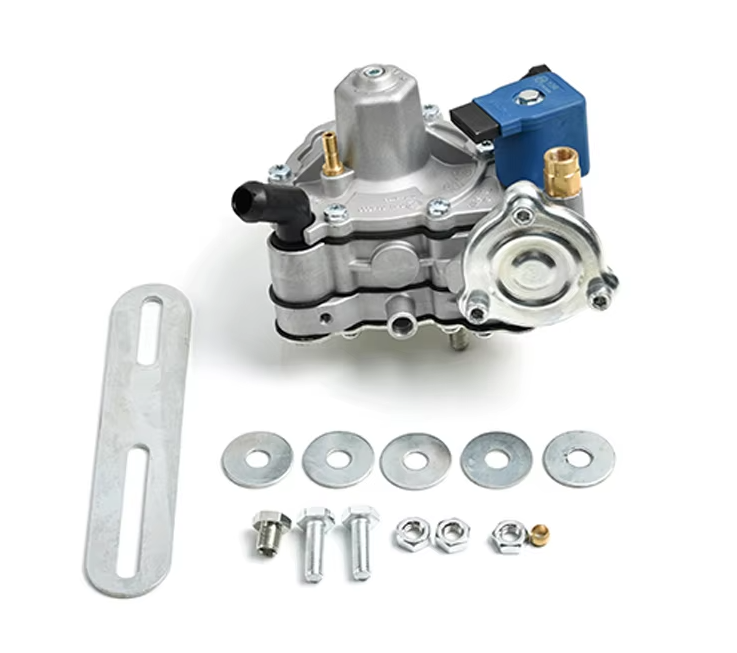
Dual-Stage Pressure Reducer Regulator: Features an integrated engine coolant heating channel that prevents freezing during high gas flow rates or low ambient temperatures.
Coalescing Gas Filter Unit: Captures fine particulates, moisture, and heavy hydrocarbons down to 12 microns, preventing plunger sticky issues in the injection rail.
Digital Cabin Switch & Tank Gauge: Provides seamless one-touch switching between petrol and gas modes with real-time LED fuel level indicators and low-pressure acoustic warnings.
Automotive Wiring Harness: Waterproof IP67 connectors with flame-retardant corrugated tubing ensure long-term reliability under thermal and mechanical stress.
Key Advantages & Performance Features
Engineered for versatile application on naturally aspirated and turbocharged 4-cylinder engines (ranging from 1.0L to 2.5L displacements), this bi-fuel system balances fuel economy with driveability.
OBDII Real-Time Calibration: Connects directly to the vehicle OBD network to automatically adjust Short-Term (STFT) and Long-Term Fuel Trims (LTFT) for precise stoichiometry.
Automated Cold-Start Management: Starts reliably on petrol and automatically transitions to CNG/LPG once engine coolant reaches the preset temperature threshold (typically 35°C).
Consistent Torque Output: Precise fuel mapping prevents power dips during mode switching, delivering smooth transient response under varying load conditions.
Manufacturing Quality & Factory Facilities
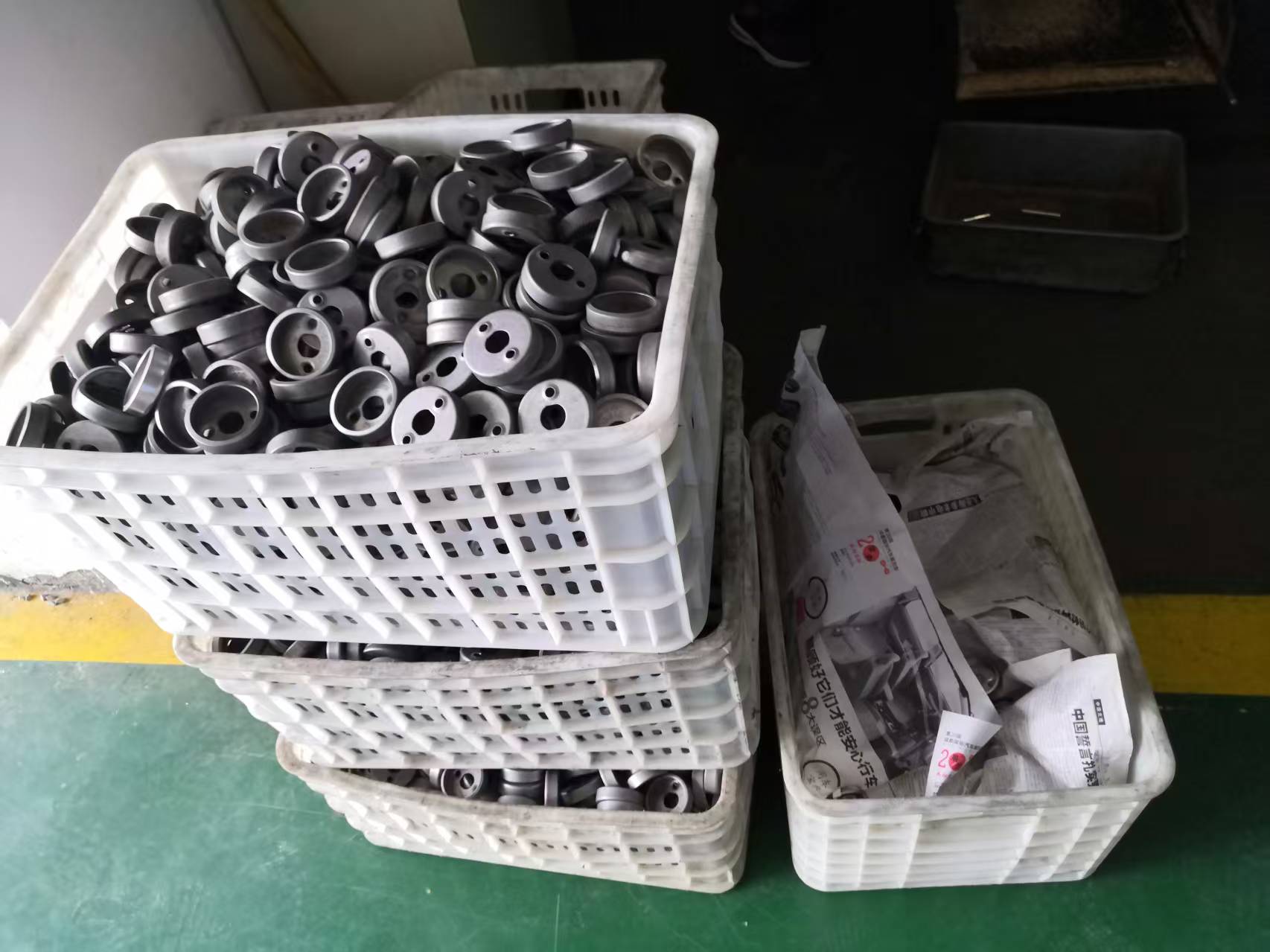
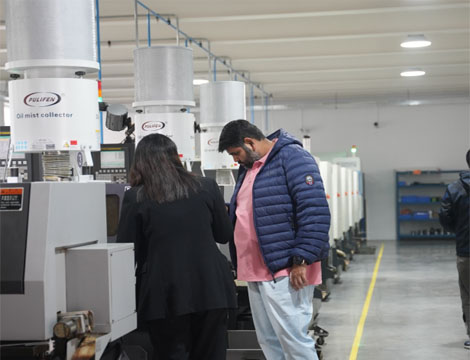
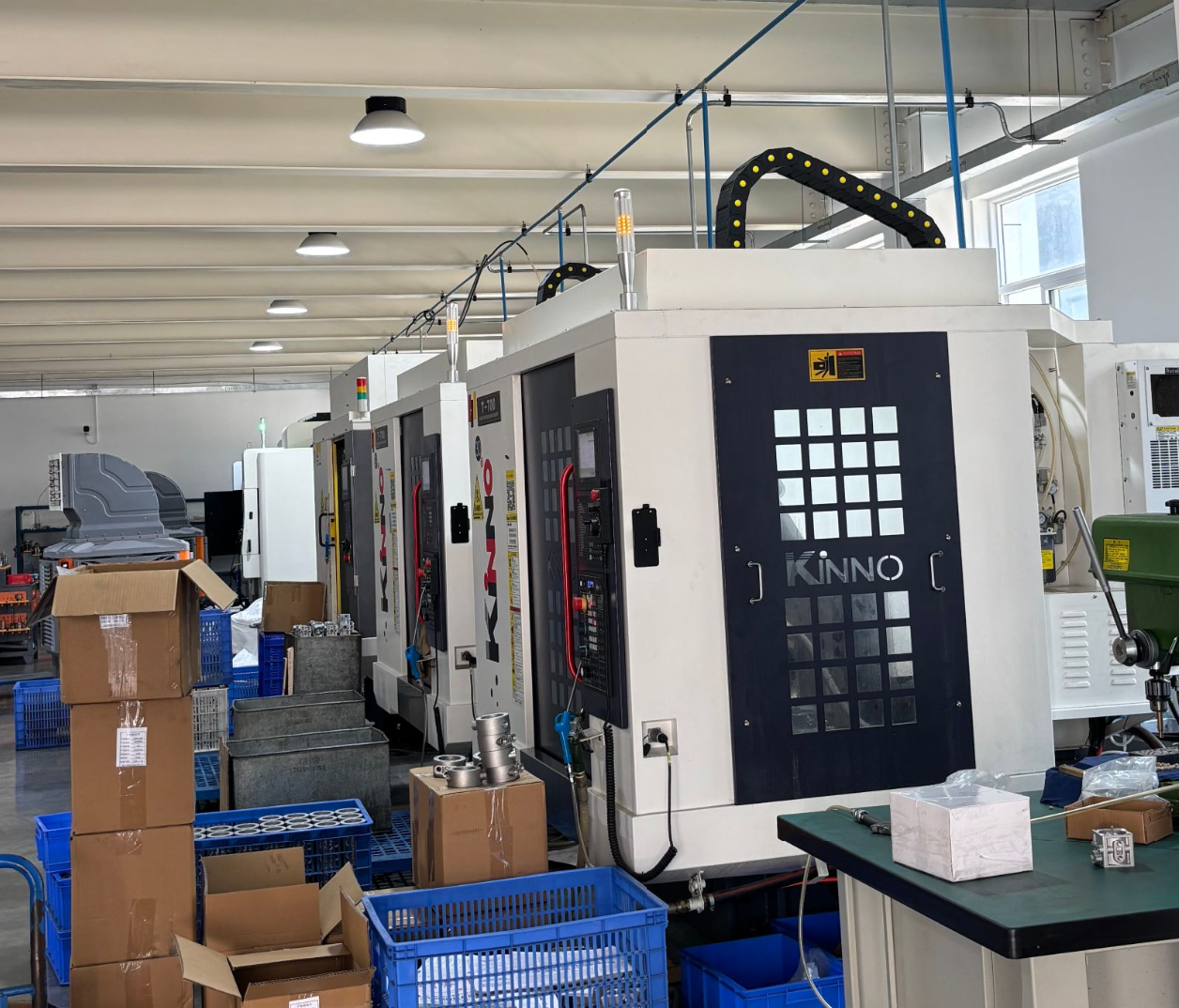
Every sequential conversion kit is manufactured under strict quality management processes. Modern automated assembly lines, high-precision CNC machining equipment, and end-of-line testing rigs ensure strict batch consistency and zero-leak performance across all pressure components.
Frequently Asked Questions (FAQ)
Will a 4-cylinder CNG/LPG conversion kit reduce vehicle engine power?
With modern sequential injection technology and dynamic timing control, power difference is virtually unnoticeable during daily driving. LPG systems maintain near-identical horsepower to petrol, while CNG systems typically experience a minor power variance of only 5% to 10%, which can be mitigated by optimizing ignition timing.
Is a sequential CNG/LPG conversion safe for 4-cylinder cars?
Yes. Premium conversion systems comply with strict international automotive safety standards. Integrated safety features include automatic excess-flow shutoff valves, high-pressure relief devices, and IP67 waterproof electronic components.
What routine maintenance does a 4-cylinder autogas kit require?
Maintenance is minimal and cost-effective: replace the gaseous phase filter element every 15,000 to 20,000 kilometers, and perform a leak check and visual hose inspection during regular oil service intervals.
Can this sequential kit be installed on Turbocharged or Direct Injection (GDI) engines?
Standard sequential injection kits are optimized for Port Fuel Injected (PFI) 4-cylinder engines. Dedicated GDI/TGDI autogas systems with customized petrol-emulation software are recommended for direct-injection vehicles to protect injector tips from overheating.