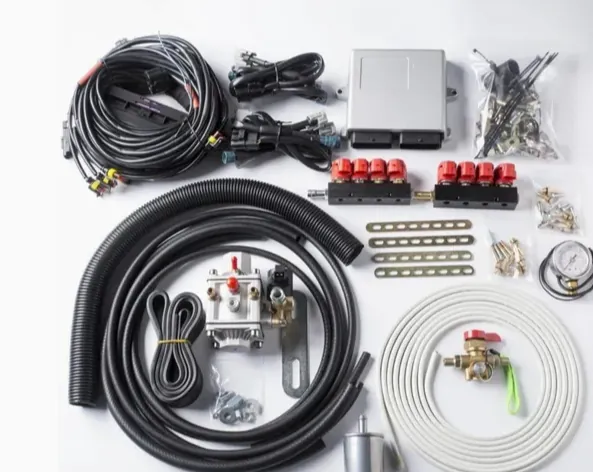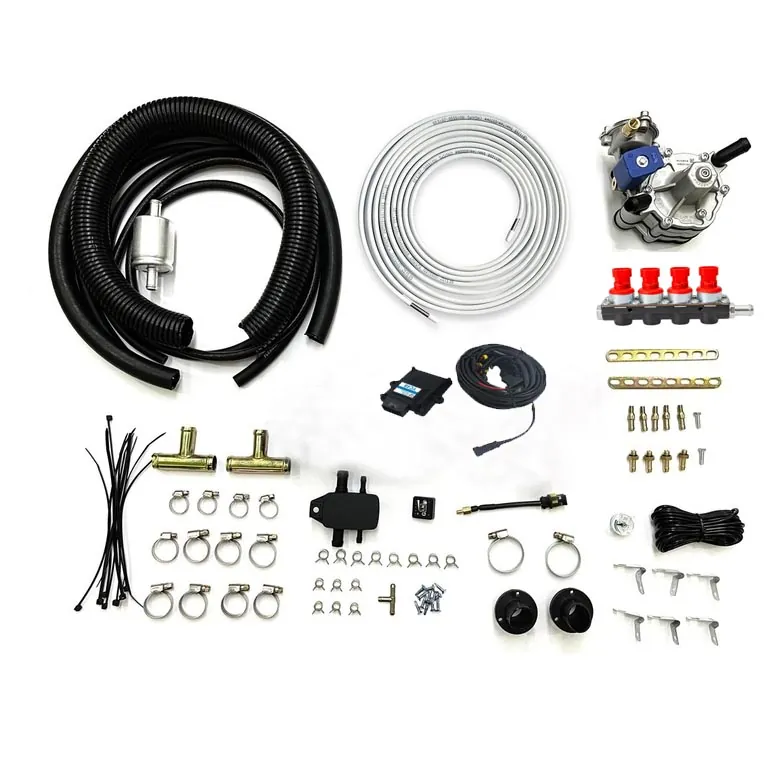

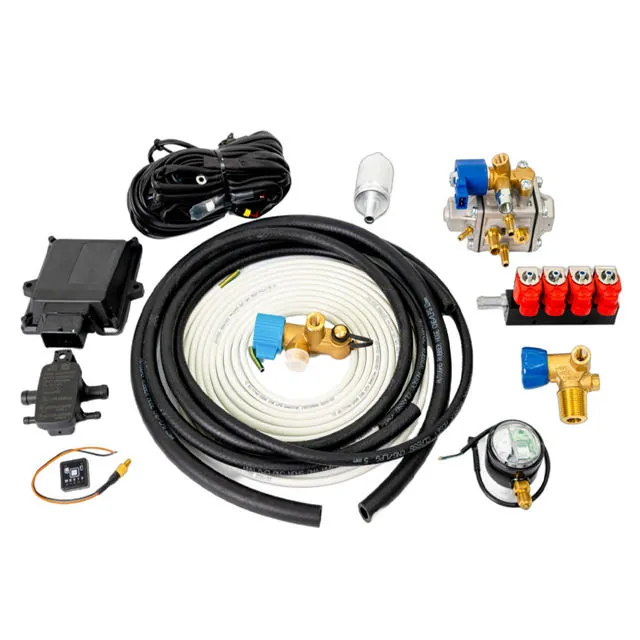
CNG Mixer Conversion Kit for Carbureted Engines
This CNG conversion kit uses a single-point gas mixer system. It is intended for carbureted petrol engine conversion projects. Confirm the engine, mixer dimensions and regulator capacity before ordering. Single-point petrol injection applications require a separate compatibility review.
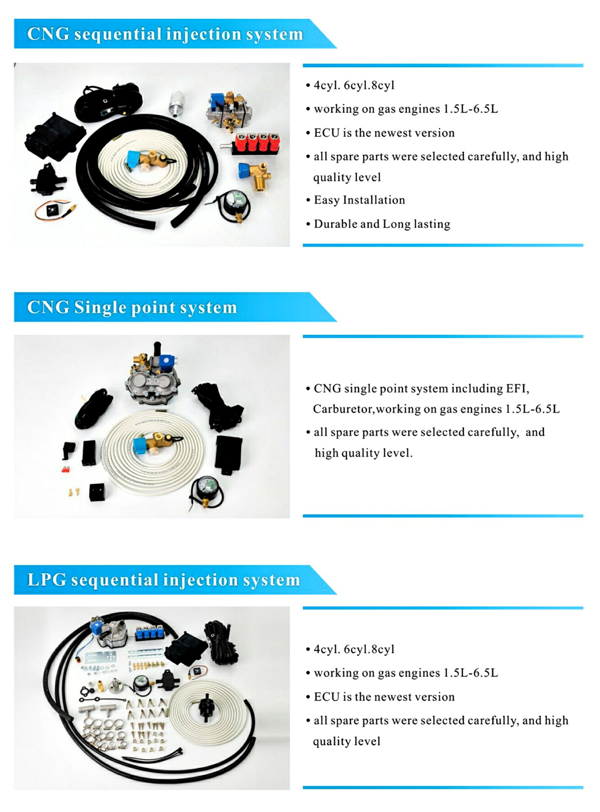
A mixer system supplies gas through a shared intake mixing point. It differs from sequential injection, which uses individually controlled gas injectors for each cylinder. Read our sequential injection system explanation when comparing conversion options.
Which Engines Should Be Reviewed for Compatibility?
Engine and intake details determine compatibility. A CNG carburetor conversion kit should not be selected by cylinder count alone. Provide the following information for component selection.
| Required Fuel | CNG — compressed natural gas |
|---|---|
| Gas Delivery Type | Single-point mixer system |
| Vehicle Information | Make, model, year and intended use |
| Engine Information | Engine code, displacement, cylinder count and rated power |
| Original Fuel System | Carburetor model; identify SPI or other injection systems separately |
| Mixer Fitment | Intake dimensions in mm, mounting arrangement and clearance |
| Electrical System | Vehicle supply voltage and available engine-running signal |
| Destination Market | Country of installation and applicable approval requirements |
Older passenger cars, taxis and utility vehicles need individual review. Vehicle use alone does not establish suitability. Confirm engine condition, installation space and the proposed cylinder mounting arrangement before specifying a conversion.
What Components Are Included in the Kit?
The quotation must identify the actual supplied components. Confirm each model and quantity. Do not assume that the cylinder, valves, pipes or installation accessories are included in a kit price.
| Component | Function | Required Confirmation |
|---|---|---|
| CNG Pressure Reducer | Reduces and controls gas pressure for the selected mixer system | Model, rated inlet pressure, outlet characteristics, flow capacity and heating requirements |
| Gas-Air Mixer | Introduces gas into the intake airflow | Mixer dimensions, mounting position and compatibility with the carburetor and air intake |
| Changeover Control | Provides the specified petrol-to-CNG selection functions | Supply voltage, wiring diagram, valve outputs and engine-stop shutoff logic |
| Gas Flow Adjustment Device | Provides flow adjustment where required by the selected design | Adjustment method and calibration instructions |
| Fuel Shutoff Components | Control gas or petrol flow according to the system design | Fuel compatibility, pressure rating, electrical requirements and installation position |
| Installation Accessories | Connect and secure the selected components | Included hoses, fittings, wiring, brackets and fasteners |
Component names do not define a complete installation package. Use the conversion kit component guide to prepare an itemized purchasing checklist.
How Should You Select the CNG Reducer and Mixer?
The reducer must match both the fuel supply and engine demand. Confirm its model-specific ratings. Do not use a general cylinder pressure value as the reducer's verified operating specification.
Inlet pressure: Request the rated operating range in bar or MPa.
Outlet characteristics: Confirm suitability for the selected mixer system.
Capacity: Request supported engine power or flow data with stated test conditions.
Temperature: Confirm the operating range in °C and any coolant connection requirements.
Connections: Verify thread specifications, hose sizes and mounting orientation.
The mixer must fit the intake without relying on a universal-fit claim. Provide the carburetor model, connection dimensions and installation photos. Confirm clearance for the air filter and surrounding components.
Reducer operation is specific to its design. See how a CNG pressure reducer works for background before selecting a model.
Which Shutoff Functions Must Be Confirmed?
Automatic shutoff depends on the complete control arrangement. A changeover switch label alone does not verify this function. Confirm the controller, engine-running signal, valves and wiring diagram.
Identify the signal used to detect engine operation.
Confirm the specified valve behavior when the engine stops.
Check valve voltage, fuel compatibility and pressure rating.
Confirm how petrol delivery is controlled during CNG operation.
Request the commissioning procedure for the selected configuration.
Installation and commissioning require qualified personnel. Follow the component instructions and applicable local requirements. Confirm cylinder mounting, gas connections and control operation before the vehicle enters service.
What Test Records Should Buyers Request?
Inspection records are more useful than a general “fully tested” claim. Request documents that identify the component model, inspection method and acceptance criteria.
Leak test: Test medium, pressure, duration, acceptance limit and result.
Regulator function test: Inlet conditions, outlet behavior, flow conditions and acceptance range.
Electrical function test: Test voltage, switching behavior and relevant valve operation.
Traceability: Component model, production batch or serial number, inspection date and record reference.
Approval documents: Applicable standard or regulation, certificate number, covered model and issuing organization.
Approval scope must match the purchased model and destination market. Review our certification information and request the documents applicable to your order.
How Much Can a Carbureted Vehicle Save With CNG?
Fuel savings depend on measured consumption and local prices. A fixed saving percentage does not apply to every vehicle. Compare the same route, load and operating conditions.
Petrol cost per kilometer: Consumption in L/100 km × petrol price per L ÷ 100.
CNG cost per kilometer: Consumption per 100 km × CNG price per matching unit ÷ 100. Include petrol used during starting or other operating phases.
Payback period: Installed conversion cost ÷ net monthly operating saving. Account for additional maintenance costs.
CNG price and consumption must use matching units. Do not directly combine a price per kg with consumption measured in m³.
Frequently Asked Questions
Is a mixer kit the same as a sequential CNG injection kit?
No. The gas delivery methods differ. A mixer system introduces gas through a shared intake point. Sequential injection uses individually controlled gas injectors. Choose the system according to the engine and confirmed configuration.
Can this kit be fitted to any four-cylinder or six-cylinder engine?
Cylinder count alone is insufficient. Confirm the original fuel system, engine power, intake dimensions, regulator capacity and installation requirements. Do not assume universal compatibility.
Can a carburetor CNG conversion kit also use LPG?
This page specifies a CNG mixer system. LPG requires a fuel-specific configuration review. Do not assume the reducer, storage components or connections are interchangeable.
Does the ignition system need adjustment?
Ignition requirements depend on the engine and conversion design. Confirm the specified settings with the installer. Do not assume that a timing advance processor is included or required for every application.
How often should the system be serviced?
Follow the maintenance instructions for the installed components. Request the inspection schedule and replacement criteria. Use our CNG conversion kit maintenance guide as background information, not as a replacement for model-specific instructions.
Does the quoted price include the cylinder?
The itemized quotation defines what is included. Confirm cylinder supply, valves, filling connections, pipes, brackets and installation accessories separately.
Request a CNG Carburetor Conversion Kit Quotation
Send engine and intake details for a configuration-specific offer. Include the information below.
Vehicle make, model and year
Engine code, displacement, cylinder count and rated power
Carburetor model or original fuel injection type
Intake dimensions and installation photos
Vehicle electrical supply voltage
Destination country and order quantity
Required components and approval documents
Confirm commercial terms before payment. Request component models, quantities, unit price, sample availability, warranty conditions, packaging dimensions and delivery lead time.