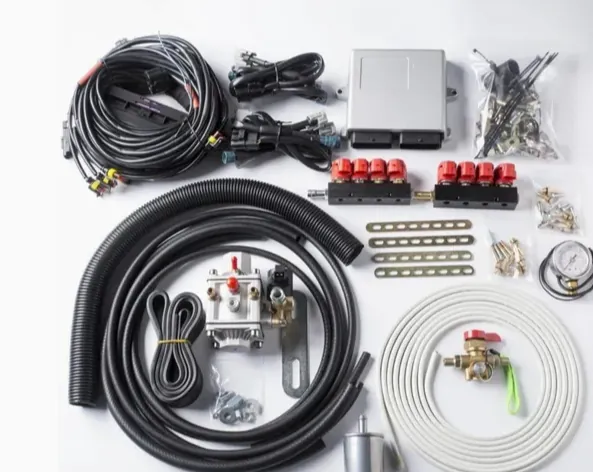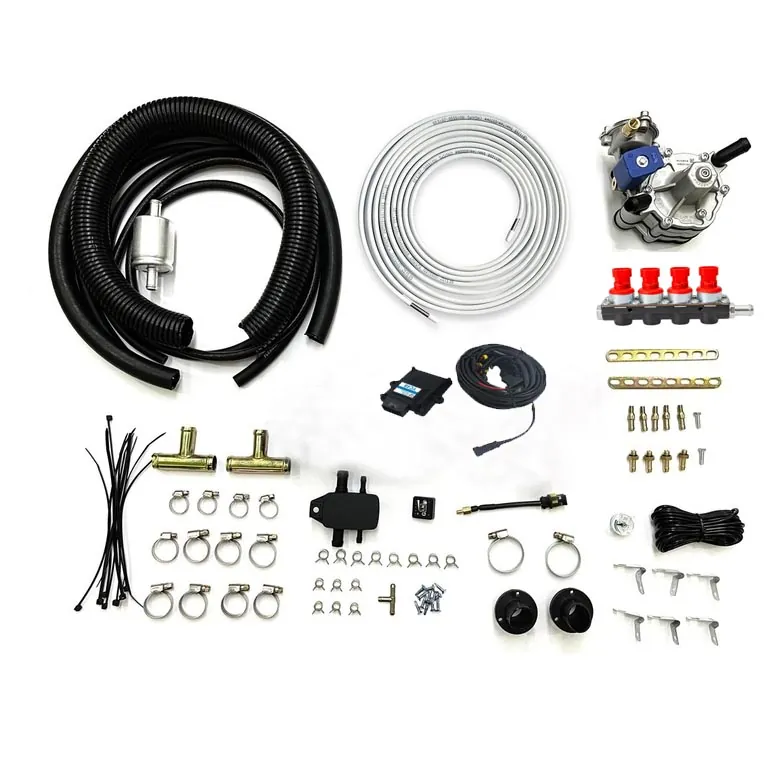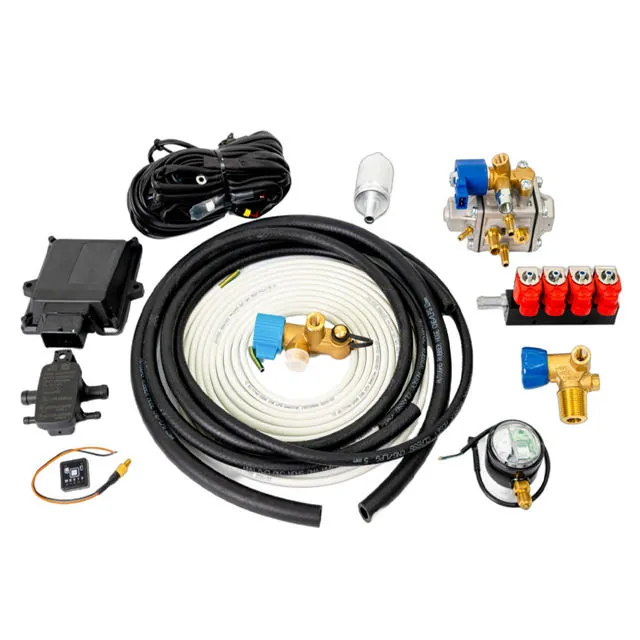

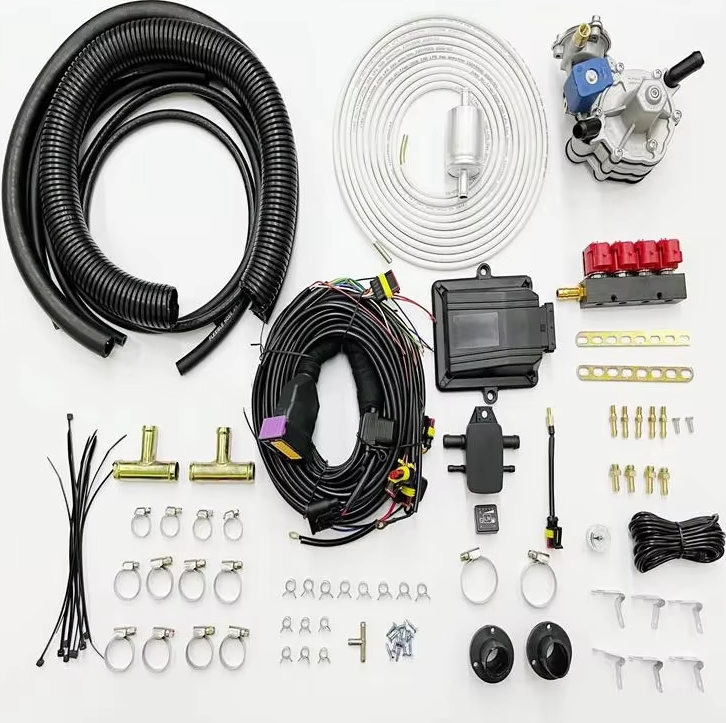
LPG Autogas Conversion Kit Components and Configuration Options
The correct LPG kit depends on the engine and gas delivery system. Confirm whether your project requires a mixer-based system or an electronically controlled injection system before selecting components. These configurations should not be treated as the same kit.
LPG means liquefied petroleum gas. GPL is the name used for LPG in some markets. CNG is a different fuel and requires a separate component review. This page focuses on LPG conversion components.
Which LPG System Does Your Vehicle Require?
The original petrol fuel system determines the compatibility checks. Provide the vehicle model, engine code and injection type before requesting a configuration.
Carbureted engines: Review the mixer arrangement, suitable regulator, petrol control and shutoff functions.
Port fuel injection engines: Review the gas ECU, injector configuration, regulator capacity, sensors and wiring.
Direct injection engines: Request compatibility confirmation for the exact engine code. Do not assume a standard port-injection kit is suitable.
Single-point mixing and sequential injection use different gas delivery methods. Read our sequential injection system explanation before selecting a configuration.
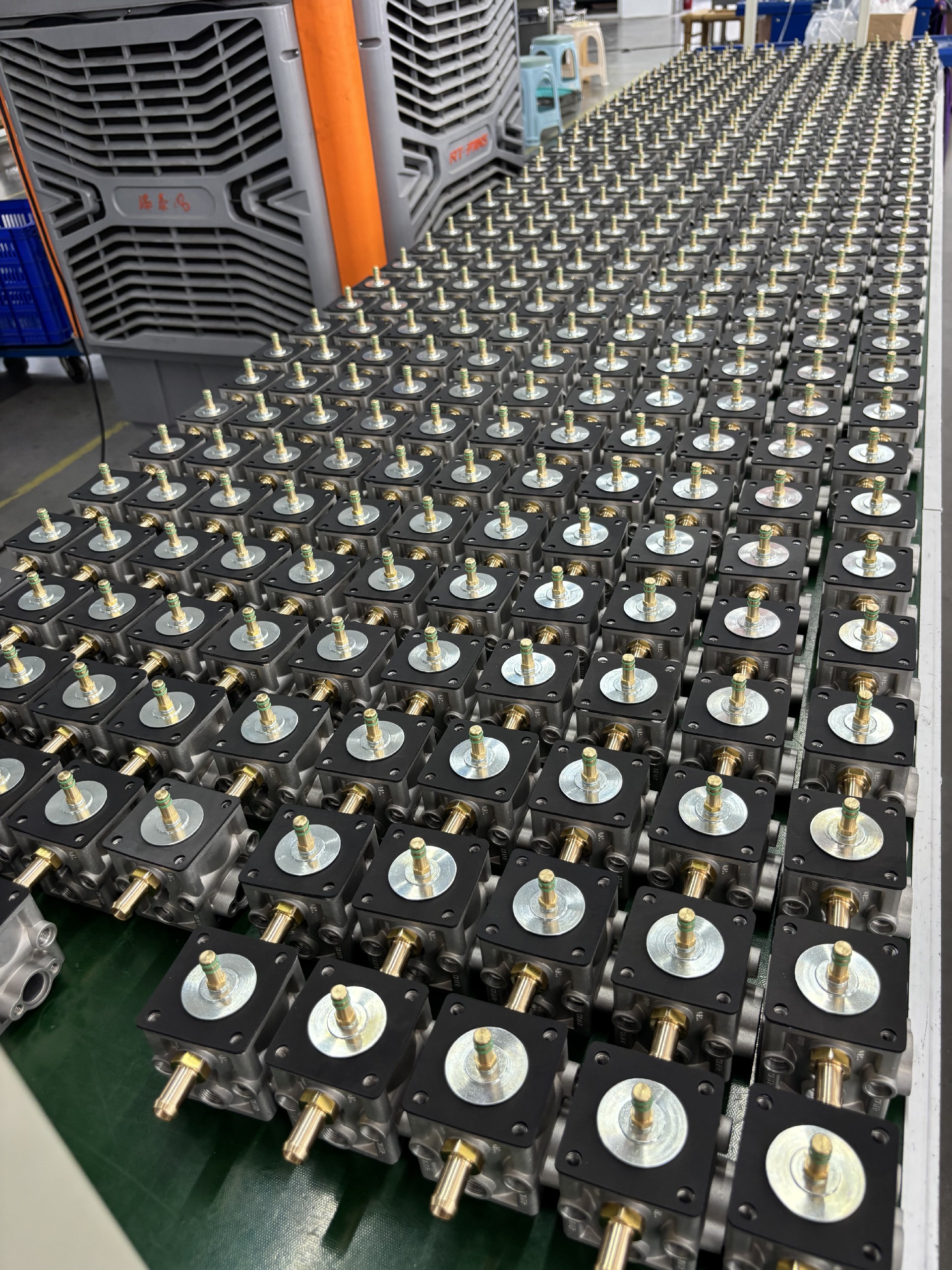
What Components Should the Quotation Include?
The itemized quotation defines the supplied configuration. Confirm the model, quantity and compatibility of each component. The items below are selection checks; they do not mean every part is included.
| Component | Information to Confirm |
|---|---|
| LPG Reducer | Exact model and variant, rated capacity, outlet pressure, temperature range and installation requirements |
| Gas ECU | Supported engine application, cylinder count, software, wiring and injector compatibility |
| Injector Rail | Model, quantity, coil resistance in Ω, flow characteristics and operating pressure |
| Gas Mixer | For a mixer-based configuration, confirm dimensions and intake fitment |
| LPG Filter | Liquid or vapor phase, filtration specification, connection dimensions and maintenance instructions |
| Sensors and Harness | Sensor models, supply voltage, connector types, pin assignments and cable lengths |
| Changeover Controls | Controller compatibility, switching functions and level-sensor compatibility |
| Storage and Installation Parts | Confirm tank, multivalve, filling connection, hoses, fittings and mounting brackets separately |
A component package is not automatically a complete vehicle installation kit. Use our conversion kit component guide when reviewing included and excluded parts.
How Should AT09 and AT13 Reducer Options Be Selected?
Confirm the exact reducer model and variant before ordering. AT09 and AT13 refer to reducer options in the original product listing, not vehicle or carburetor types. Request the manufacturer and technical sheet for the proposed component.
Capacity: Confirm supported engine power in kW and the stated operating conditions.
Pressure: Confirm rated inlet conditions and outlet pressure range in the units specified by the manufacturer.
Connections: Confirm gas and coolant connection dimensions in mm.
Temperature: Confirm operating limits in °C and heating requirements.
System compatibility: Confirm whether the specific variant is suitable for the proposed mixer or injection system.
The selected reducer must match the fuel and system design. Review the pressure reducer product range and request application confirmation.
Can One Kit Support 4, 6 and 8 Cylinders?
Different cylinder counts may require different controllers and injector arrangements. Do not assume one fixed kit supports every four-cylinder, six-cylinder and eight-cylinder engine. Confirm the ECU version and component quantities for the vehicle.
Vehicle make, model, year and engine code
Cylinder count, displacement in L and rated power in kW
Port injection or direct injection
Naturally aspirated or turbocharged engine
Proposed reducer and injector models
Calibration must match the installed hardware. Confirm software support, injector settings and pressure settings. See our injector rail and ECU calibration guide for background information.
Which Quality Records Should Buyers Request?
Model-specific records support technical and quality claims. Request test conditions, acceptance criteria and results for the components in your order.
Leak testing: Test medium, pressure, duration, acceptance limit and result.
Regulator testing: Outlet pressure behavior and capacity under stated conditions.
Injector testing: Electrical characteristics and flow data under defined pressure and temperature.
Traceability: Component model, batch or serial reference and inspection date.
Approvals: Applicable standard or regulation, certificate number, covered model and issuing organization.
Approval documents must match the ordered components and destination requirements. Review our certification information and request the applicable documents.
Factory and Manufacturing Photos
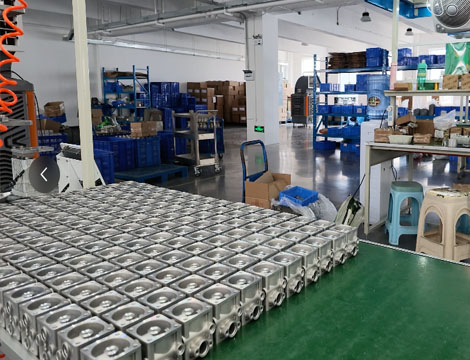
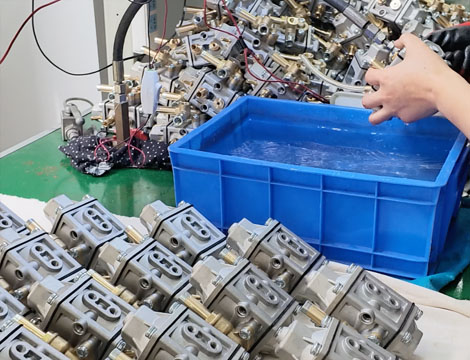
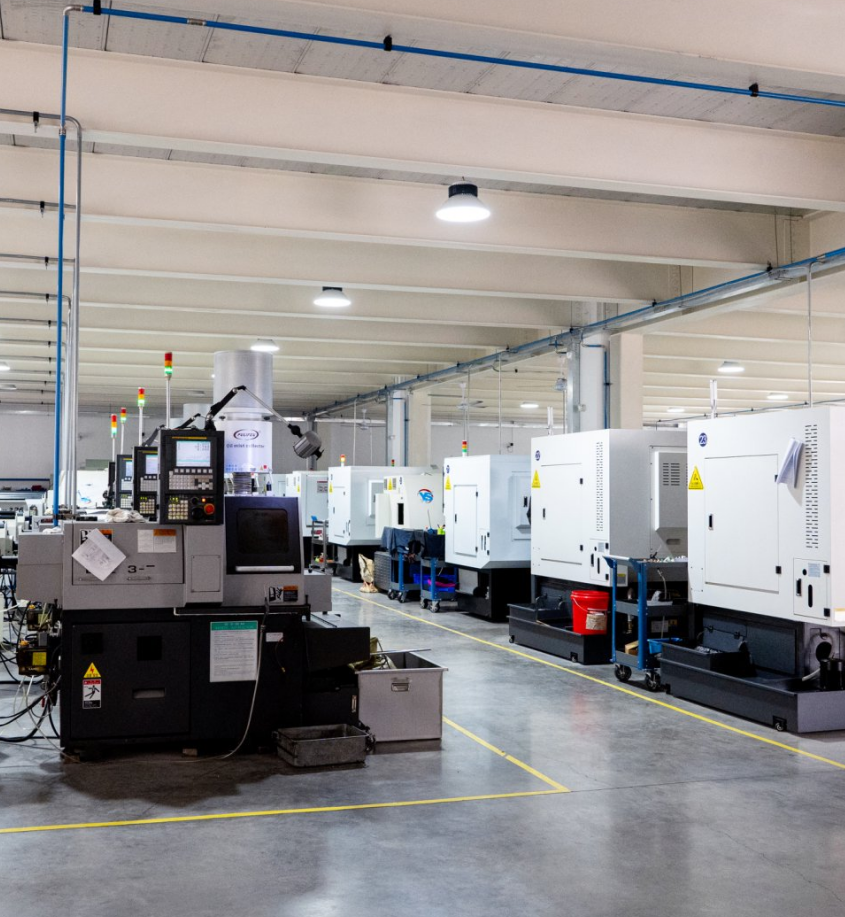
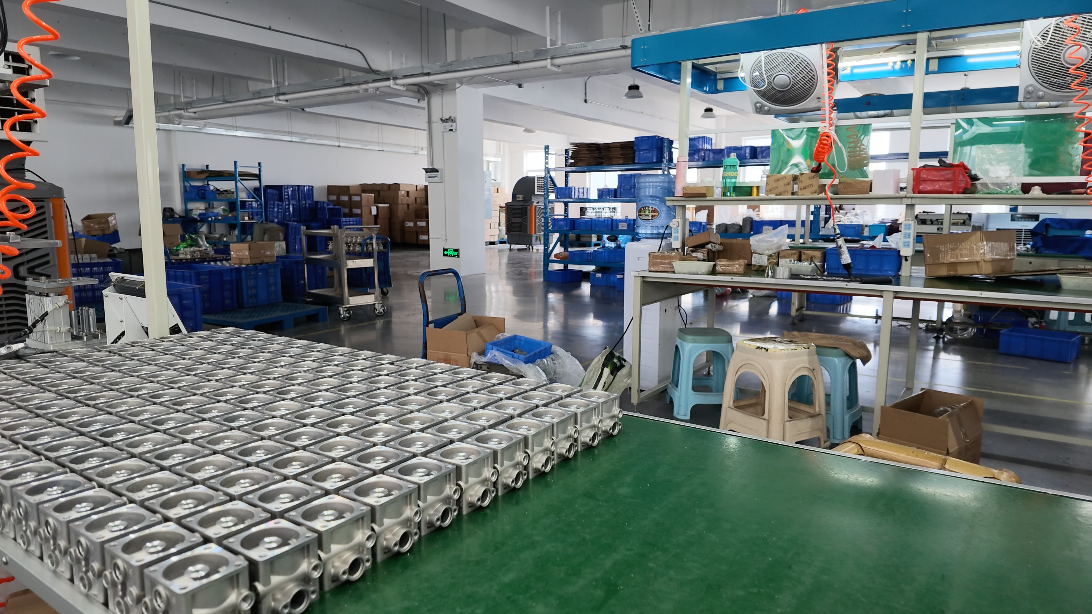
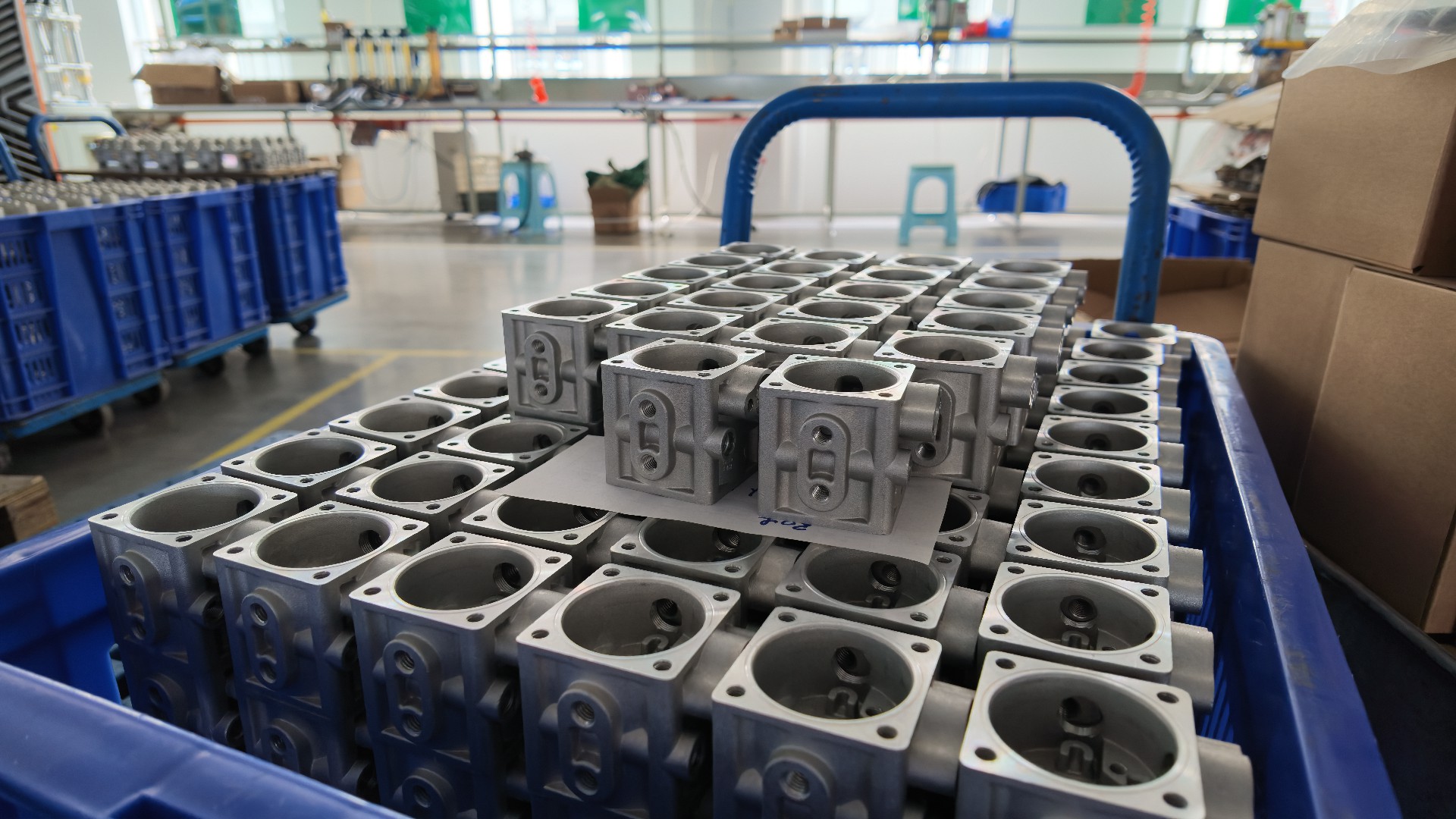
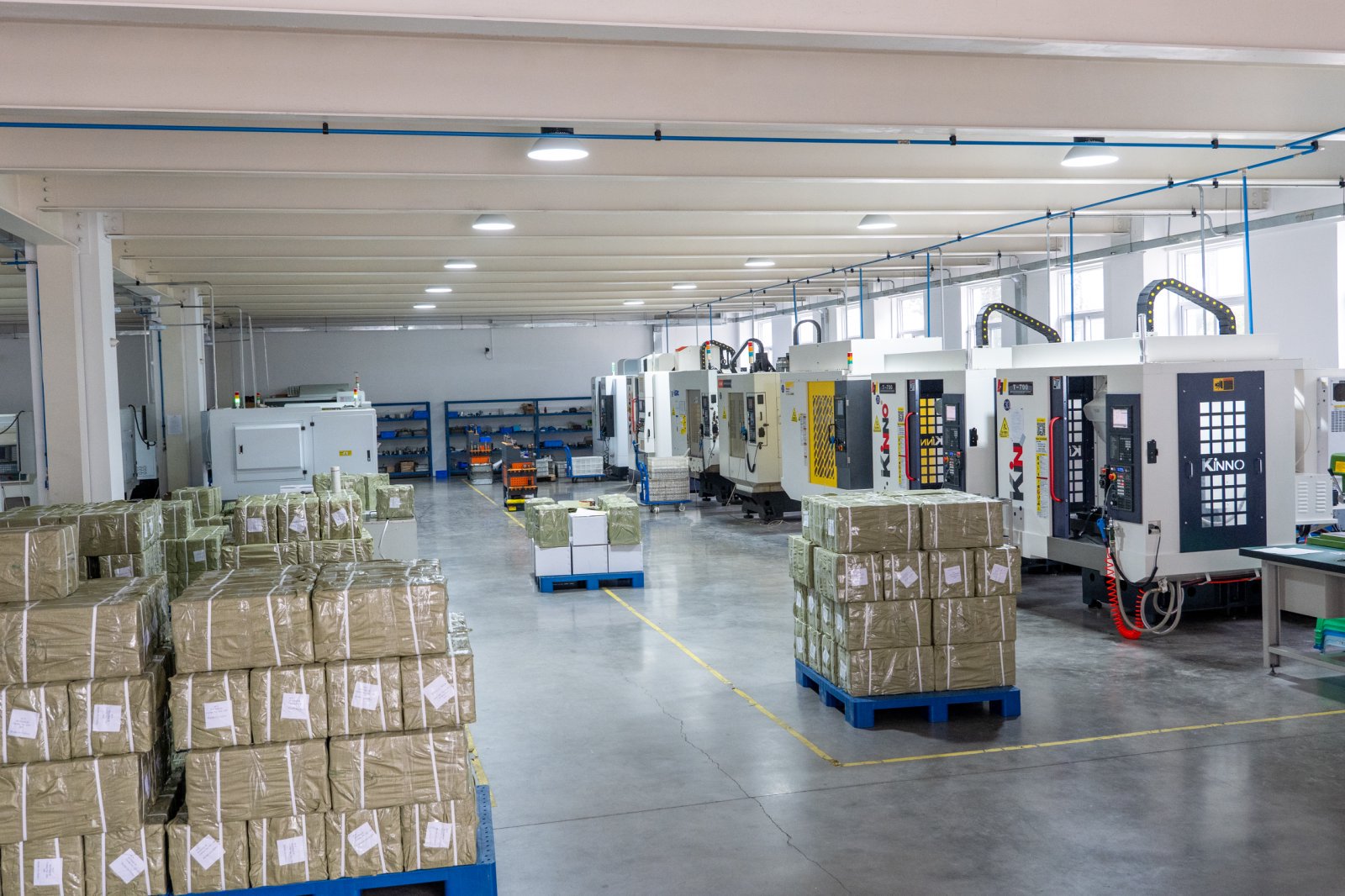
These photographs show our factory and processing areas. For product-specific quality information, request the inspection records and technical documents for the components in your quotation.
What Is Included in the Price?
The quotation must state what the price covers. Confirm whether the offer is for a reducer, an electronic kit or a broader component package. LPG tanks and installation hardware should not be assumed to be included.
Component models, quantities and excluded parts
Unit price, currency and minimum order quantity
Warranty terms and technical documentation
Carton dimensions, gross weight and delivery lead time
Shipping method, destination and agreed delivery terms
Shipping options depend on the order contents and destination. Sea freight, air freight, express delivery and buyer-appointed collection can be reviewed. Confirm carrier acceptance for restricted items before dispatch.
Frequently Asked Questions
Is an LPG mixer kit the same as a sequential injection kit?
No. The fuel delivery methods differ. A mixer system introduces gas through a shared intake point. Sequential injection uses individually controlled gas injectors. Confirm which system the quotation covers.
Can the same components be used for CNG?
CNG requires a separate configuration review. Do not assume LPG reducers, storage equipment or other fuel-specific parts are interchangeable with CNG components.
Does the kit include an ECU and injector rail?
Inclusion depends on the selected configuration. Check the itemized quotation for ECU model, injector model and quantities. These components should not be presented as standard parts of every mixer-based kit.
What maintenance schedule applies?
Follow the instructions for the installed components. Request filter replacement criteria and inspection intervals. Our autogas maintenance guide provides background information.
Request an LPG Conversion Kit Quotation
Send your engine details before selecting a configuration. Include the vehicle model, engine code, cylinder count, original injection type, rated power, destination country and order quantity.
State the parts you need. Specify a mixer-system package, injection-system components or a replacement reducer. Confirm the reducer variant, ECU, injector arrangement and supplied accessories before payment.
Contact SCYUNCHENG for an LPG conversion configuration and quotation