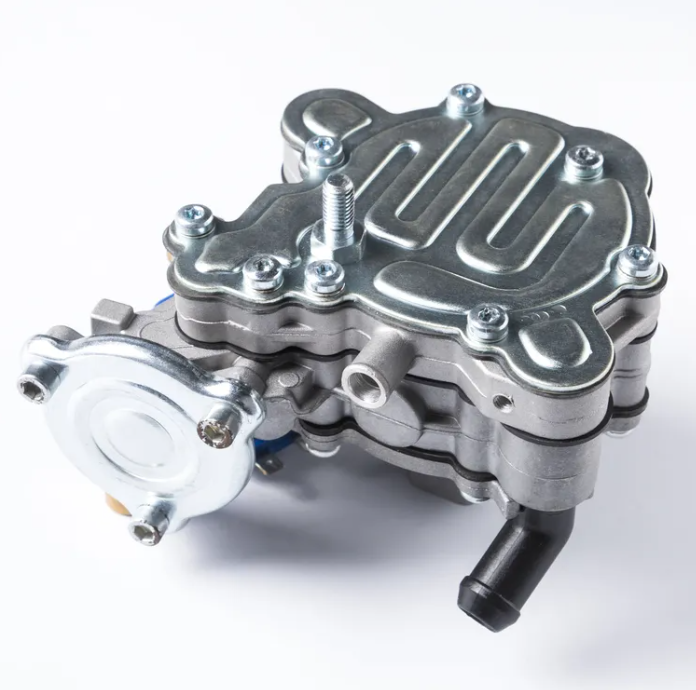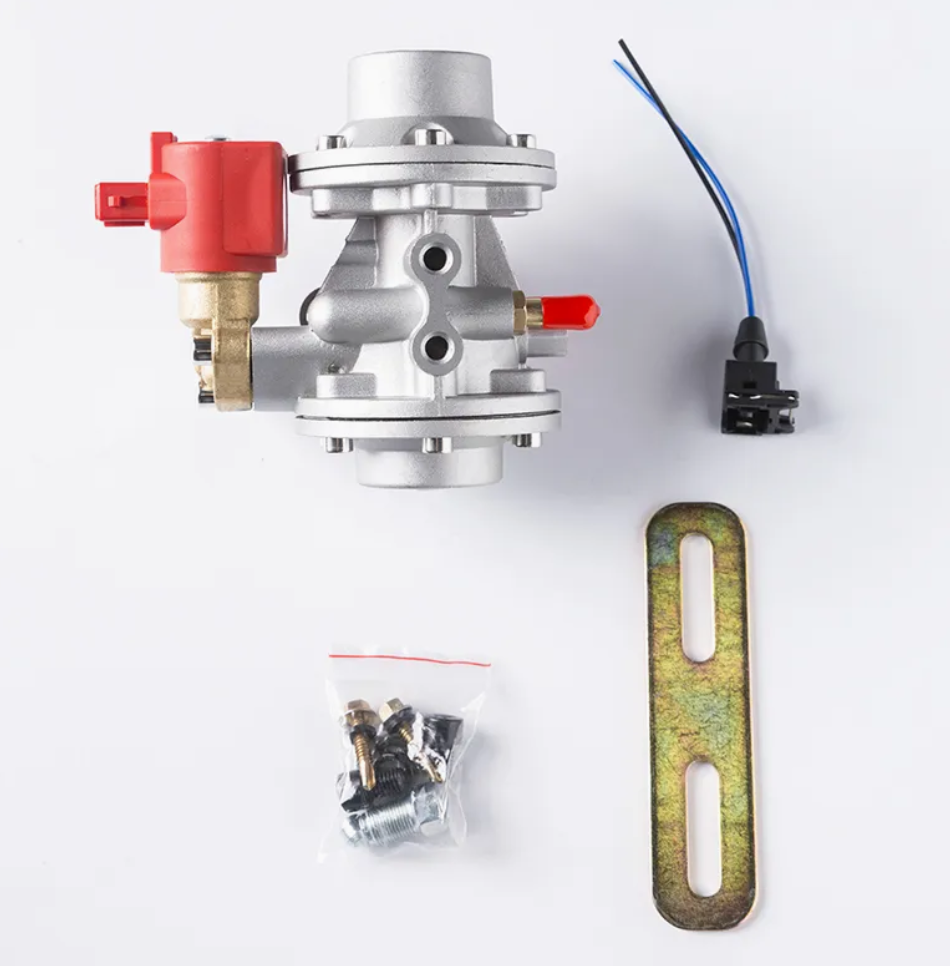

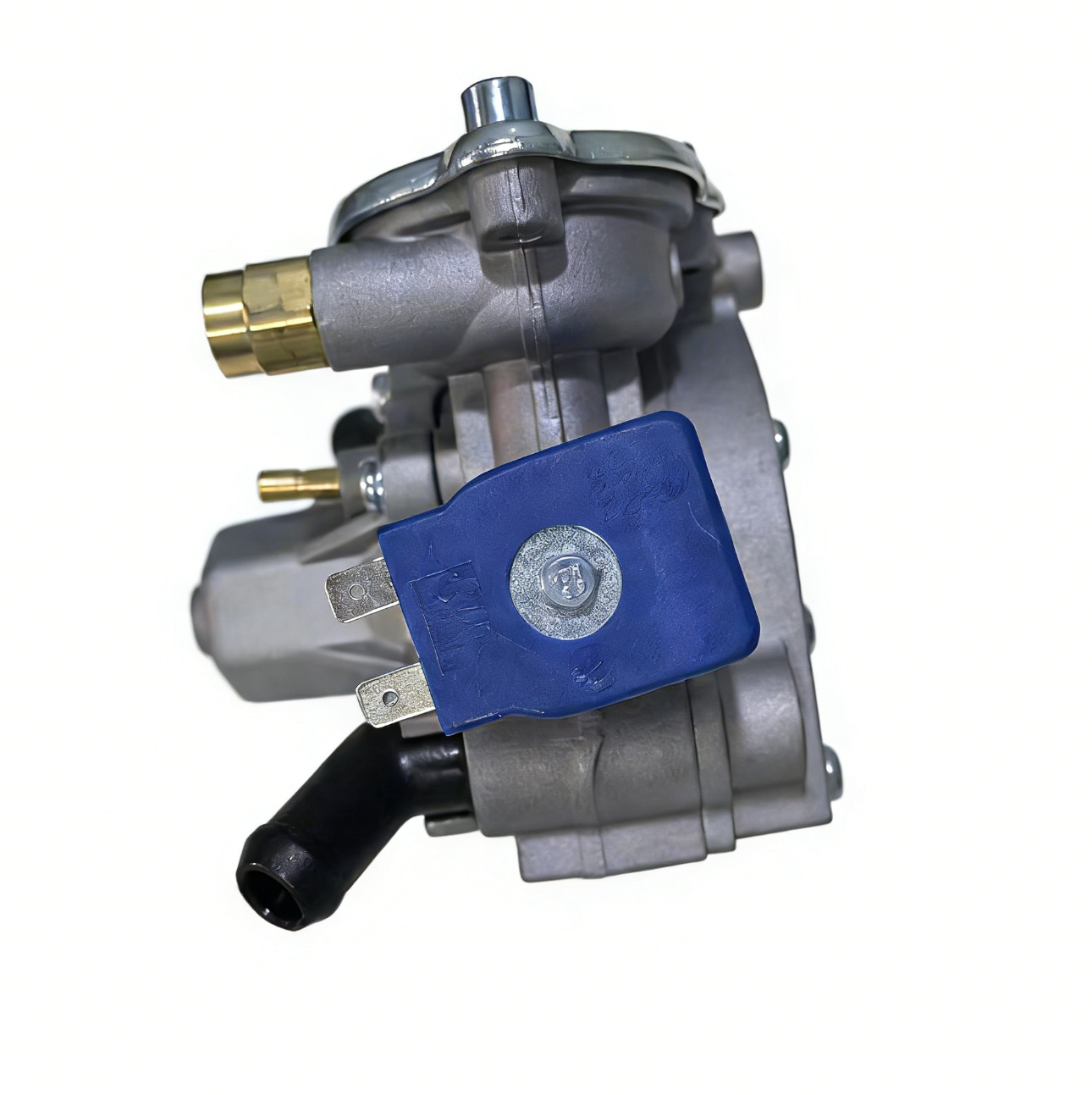
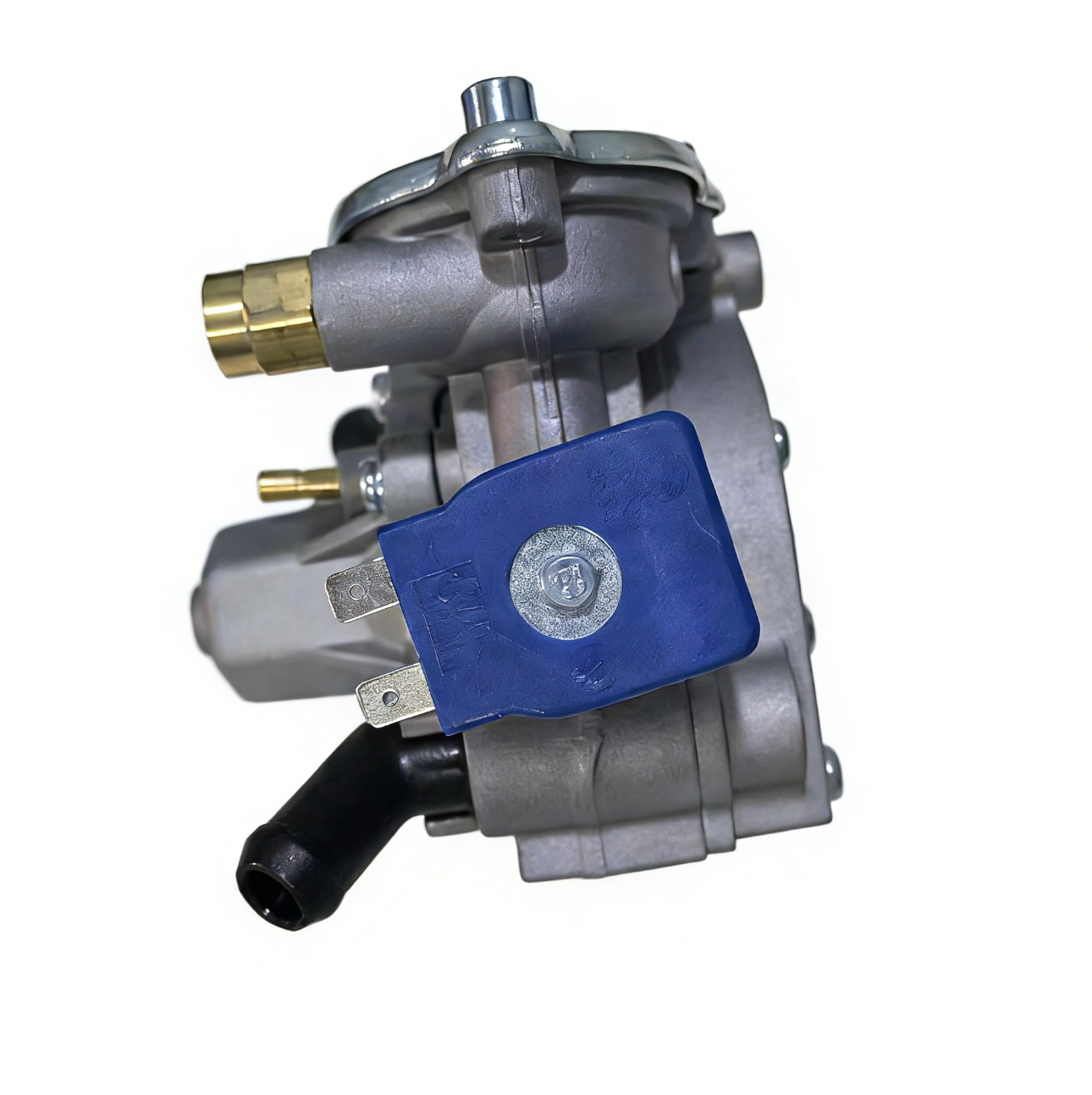
AT13 LPG Sequential Reducer Pressure Regulator
This listing covers an AT13 LPG reducer for compatible sequential injection systems. Confirm the exact manufacturer, variant and technical sheet before ordering. Match the reducer's pressure and capacity ratings to the engine and gas injectors.
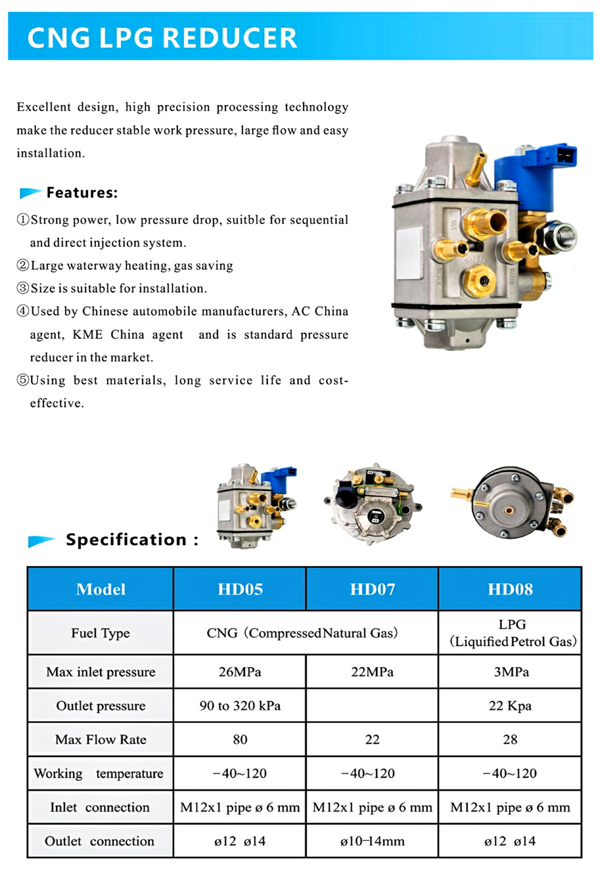
LPG and CNG require different fuel-system configurations. This page does not establish CNG compatibility. Do not select a reducer for another fuel without model-specific approval.
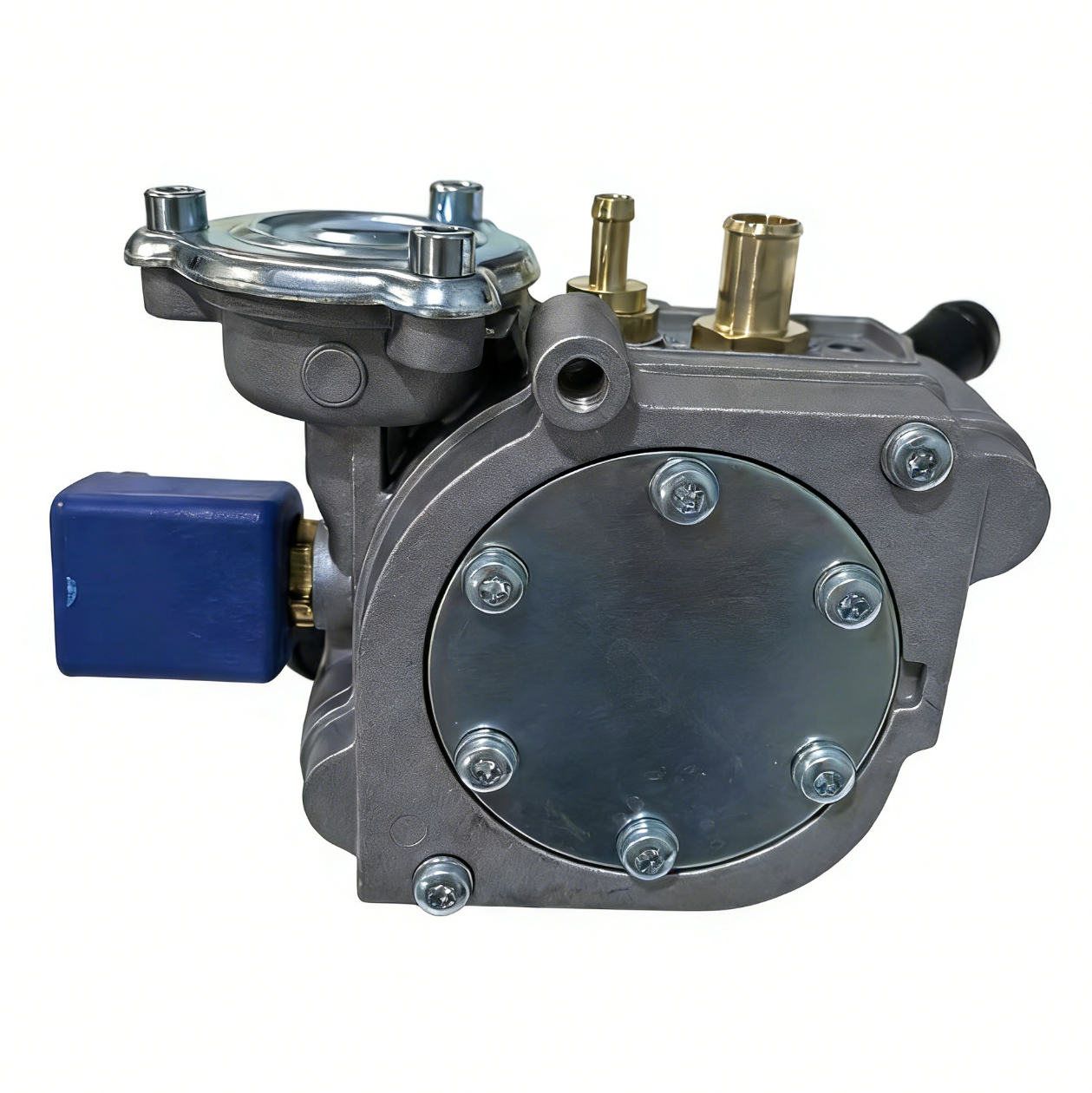
Technical Specifications to Confirm
The technical sheet must define each pressure value and its reference. Confirm the following information for the supplied AT13 variant.
| Model | AT13; confirm manufacturer and variant |
|---|---|
| Listed Fuel Application | LPG — liquefied petroleum gas |
| System Application | Compatible sequential gas injection systems |
| Inlet Rating | Request rated pressure range, fuel conditions and connection specification |
| Outlet Pressure | Request adjustment range, tolerance and pressure reference |
| Capacity | Request flow or supported engine-power data with test conditions |
| Temperature Limits | Request separate operating and storage ratings |
| Connections | Confirm gas, coolant and reference connections where applicable |
| Electrical Requirements | Confirm voltage and control requirements for any supplied electrical components |
| Warranty | Confirm duration, mileage limits and coverage in the quotation |
Which Outlet Pressure Does Your System Require?
Outlet pressure must match the injectors and calibration. Confirm whether the specification is gauge pressure, absolute pressure or differential pressure relative to the intake manifold. These references are not interchangeable.
Required pressure setting and permitted tolerance
Pressure behavior at idle and higher engine demand
Adjustment procedure and reference connection
Compatible pressure sensor range
Injector operating requirements
Use consistent units when comparing specifications. One MPa equals 10 bar. Unit conversion does not resolve conflicting values or different pressure references.
How Should Reducer Capacity Be Selected?
Engine demand must be compared with documented reducer performance. Vehicle category or cylinder count alone does not establish suitability.
Engine: Code, displacement, rated power and aspiration type.
Duty cycle: Typical load and expected continuous operating demand.
Flow data: Test medium, inlet conditions, outlet setting and temperature.
Thermal conditions: Heating requirements and coolant arrangement where specified.
Installation: Mounting orientation, connection sizes and clearance.
CNG and LPG reducer requirements differ. Read our CNG and LPG reducer comparison before selecting a fuel-specific configuration.
What Inspection Documents Should Buyers Request?
Test records must identify the component and acceptance criteria. Request applicable reports for the exact product supplied.
Leak testing: Test medium, pressure, duration and acceptance limit.
Regulation testing: Outlet behavior under stated inlet and flow conditions.
Pressure testing: Test method and limits, distinguished from normal operating ratings.
Temperature testing: Test profile, operating state and results supporting the claimed range.
Traceability: Model, batch or serial reference and inspection date.
Compliance requires more than a standard number in a table. Confirm the standard title, edition, report reference and covered model. Review our certification information and request applicable documents.
What Other Components Must Be Matched?
The reducer operates within a complete gas supply system. Check compatibility with the injectors, ECU settings, pressure sensors, filter, hoses and fittings.
The quotation defines the supplied accessories. Confirm whether valves, electrical parts, brackets and fittings are included. Use our conversion kit component guide when reviewing the offer.
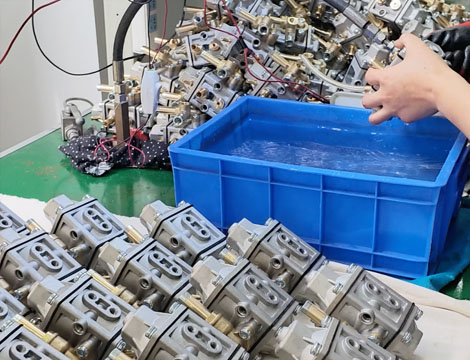
Factory and Assembly
The workshop image provides manufacturing context. Request product-specific inspection records when assessing the ordered reducer.
Frequently Asked Questions
Can this LPG reducer also be used for CNG?
CNG compatibility is not established by this listing. Request a reducer specifically documented for the required fuel, pressure and application.
Can AT13 replace another LPG regulator directly?
Replacement requires a specification review. Compare pressure ratings, capacity, connections, mounting and thermal requirements. Check calibration according to the system instructions.
Does the reducer guarantee stable engine performance?
Engine operation depends on the complete installation. Fuel supply, injectors, sensors, wiring, engine condition and calibration must also be checked.
Who should install the reducer?
Qualified autogas technicians should perform installation and commissioning. Follow the component instructions and applicable local requirements. Use the specified inspection and leak-check procedures.
What maintenance is required?
Follow the supplied maintenance instructions. Request inspection intervals and approved replacement parts. Do not dismantle or adjust internal components without the specified service procedure. Our gas system maintenance guide provides background information.
Request an AT13 LPG Reducer Quotation
Send the engine and gas-system requirements for a compatibility review. Include engine code, rated power, injector model, required outlet pressure reference, destination country and order quantity.
Confirm the exact product and supply scope before payment. Request the variant, technical sheet, accessories, price, warranty terms and lead time.