
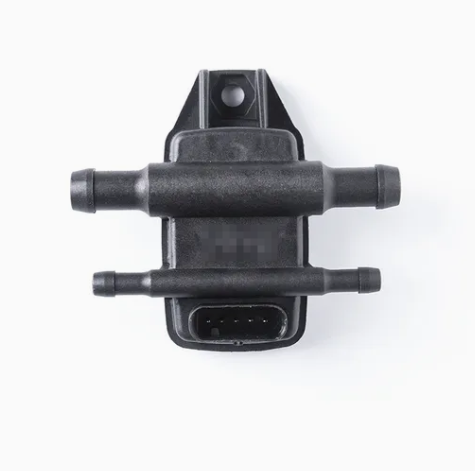
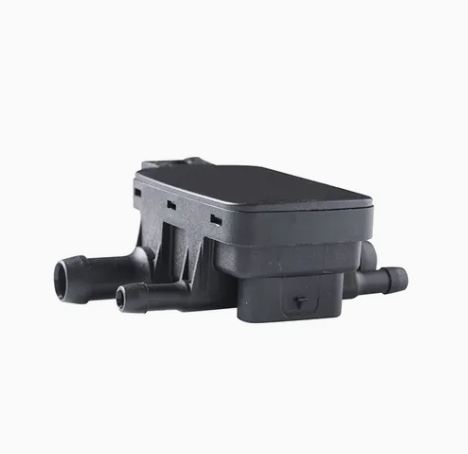
PS02 PS04 MAP Sensor for CNG LPG Conversion Kits
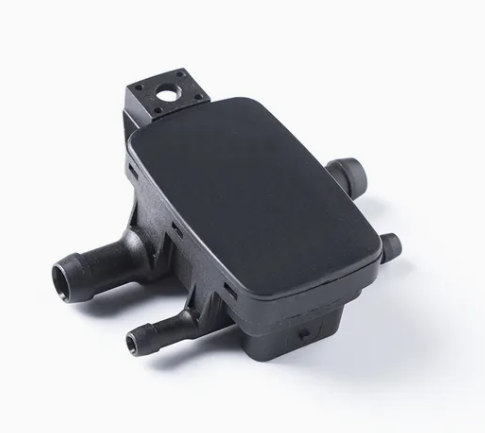
PS02 and PS04 sensor selection requires ECU-specific compatibility checks. Confirm the exact manufacturer, variant and supported sensor setting before ordering. A similar housing or connector does not establish interchangeability.
MAP means manifold absolute pressure. Confirm which pressure and temperature channels the selected sensor provides. Do not assume every PS02 or PS04 variant measures the same quantities or uses the same calibration.
Which Specifications Should You Confirm?
The sensor must match both the electrical interface and ECU calibration. Request separate technical data for the exact PS02 or PS04 variant.
| Listed Models | PS02 / PS04; confirm manufacturer and variant |
|---|---|
| Application | Compatible CNG or LPG conversion systems |
| Measurement Channels | Confirm manifold pressure, gas pressure and temperature functions where provided |
| Pressure Range | Request range in kPa or bar and identify absolute, gauge or differential pressure |
| Supply Requirements | Request rated voltage, permitted range and current consumption |
| Signal Characteristics | Request output type and pressure-to-signal calibration |
| Connector | Confirm pin count, pin assignment and mating connector |
| Connections | Confirm port identification, dimensions and hose requirements |
| Operating Conditions | Request temperature limits and applicable environmental ratings |
| Warranty | 1 year, subject to agreed warranty conditions |
Can PS02 and PS04 Replace Each Other?
Replacement must be confirmed for the specific sensor and ECU combination. Compare the functions, electrical characteristics and calibration before installation.
Identification: Sensor label, manufacturer and part reference.
ECU: Controller model, software version and supported sensor settings.
Electrical: Supply, ground, signal pins and output characteristics.
Pressure: Measurement range, pressure reference and port arrangement.
Temperature: Sensor characteristics where a temperature channel is provided.
A physically matching plug is not proof of compatibility. Request the wiring diagram and approved sensor selection before connecting a replacement.
How Is Sensor Compatibility Checked During Setup?
The ECU must interpret the installed sensor correctly. Qualified technicians should use the specified sensor setting and compare readings with appropriate reference measurements under defined conditions.
Verify the wiring against the supplied pinout.
Confirm sensor supply and ground conditions.
Select the supported sensor calibration in the ECU software.
Check pressure references and hose routing.
Verify live readings according to the installation procedure.
Calibration depends on the complete gas system. Read our ECU and injector calibration guide for background information.
What Evidence Supports Accuracy and Durability Claims?
Accuracy requires a stated tolerance and test basis. Request the measurement error, temperature conditions and pressure range supporting any precision claim.
Pressure testing: Reference instrument, test points, error limits and results.
Electrical testing: Supply conditions and signal checks.
Temperature testing: Operating state, temperature profile and acceptance criteria.
Environmental testing: Applicable enclosure, vibration or EMC reports where claimed.
Traceability: Product reference, batch and inspection date.
Company quality-management documents and product test reports serve different purposes. Request the documents covering the ordered sensor. Review our certification information for available background information.
Which Other Components Must Be Matched?
The sensor operates within a configured gas conversion system. Check the ECU, regulator, injector rail, wiring and pressure connections together. Cylinder count alone does not establish sensor suitability.
The quotation should identify the supplied parts. Confirm whether the offer includes the sensor only, a connector, harness or mounting accessories. Use our conversion kit component guide when reviewing the package.
Frequently Asked Questions
Does this sensor fit every converted petrol vehicle?
No universal fit is established by this listing. Confirm the ECU model, sensor version, wiring and calibration. Vehicle model and cylinder count are not sufficient.
Will replacing the sensor reduce fuel consumption?
No fixed fuel-saving result is established by this page. Consumption depends on engine condition, component operation, calibration and driving conditions.
Do uneven idle and fault codes prove the sensor has failed?
These symptoms do not identify one faulty component. Qualified technicians should check wiring, supply voltage, connections, pressure conditions, sensor readings and other system components before replacement.
Can it be used in taxi or fleet applications?
Fleet suitability requires the same compatibility checks. Confirm operating conditions and maintenance requirements. High-mileage durability claims need supporting test or service data.
What maintenance is required?
Follow the supplied inspection instructions. Check connectors, wiring and specified hose connections during scheduled service. Our gas system maintenance guide provides background information.
What does the warranty cover?
Confirm the one-year warranty terms before ordering. Request coverage, exclusions, start date and claim procedures for the supplied sensor.
Request a PS02 or PS04 Sensor Quotation
Send the existing sensor label and ECU details for a compatibility review. Include connector photographs, port arrangement, software information, required quantity and destination country.
Confirm the exact variant and supply scope before payment. Request the technical sheet, pinout, calibration information, included accessories, price and delivery lead time.