
Coolant Circulation and Reducer Connection Requirements
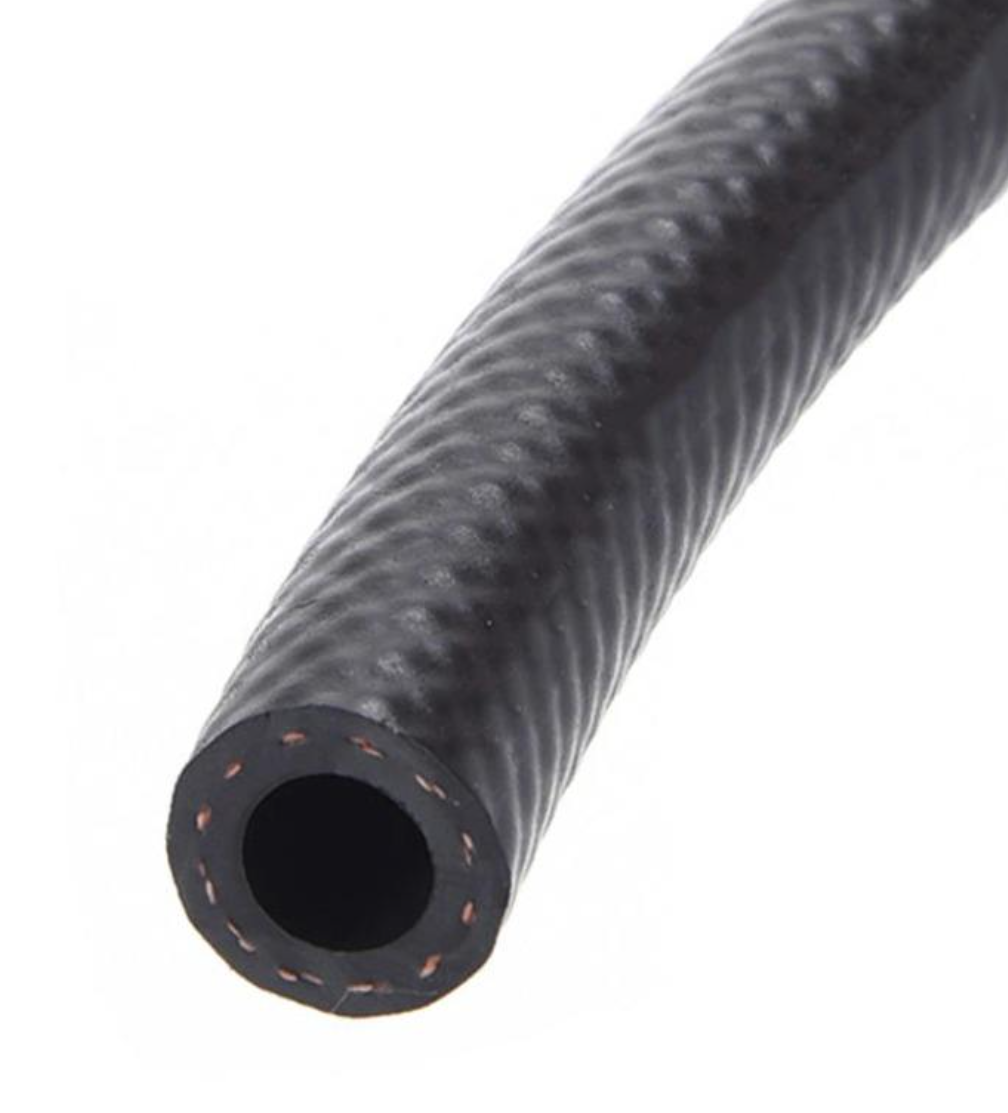
This black rubber hose has a listed 8 mm internal diameter and is intended for compatible coolant circuits. It connects coolant passages in autogas equipment where the specified hose size and operating ratings match.
The hose carries coolant, not fuel gas. Do not use this coolant-hose listing as evidence of suitability for LPG, CNG or other fuel-transfer service.
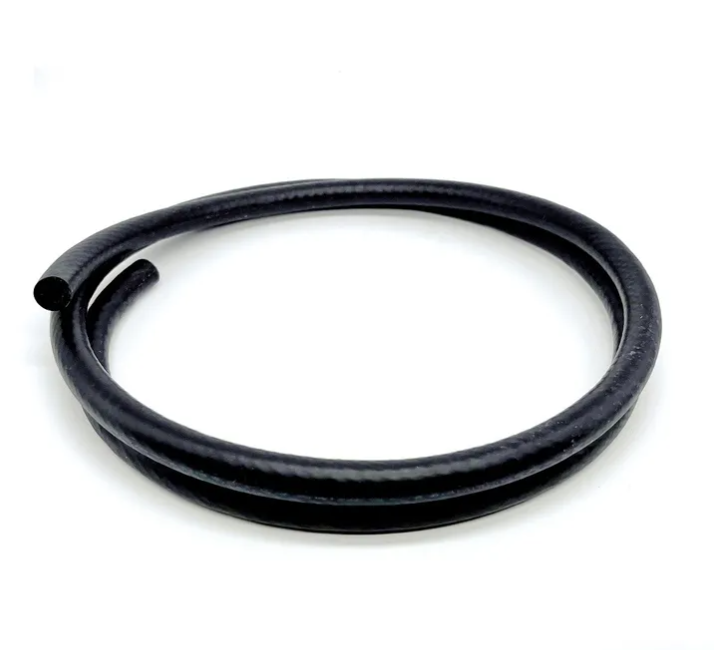
Product Specifications
Selection requires dimensional and operating data for the supplied hose. Confirm the following details before ordering.
| Product Type | Rubber coolant hose |
|---|---|
| Listed Internal Diameter | 8 mm; confirm dimensional tolerance |
| Outer Diameter | Request dimension and tolerance |
| Material | Rubber; request compound and reinforcement details |
| Color | Black |
| Medium | Compatible engine coolant; confirm chemistry and mixture concentration |
| Working Pressure | Request the rating at the specified temperature |
| Temperature Limits | Request continuous and transient limits where applicable |
| Bend Radius | Request the specified minimum bend radius |
| Length | Confirm cut-length or roll options, tolerances and minimum quantity |
What Does Coolant Do in an Autogas Reducer?
The coolant circuit transfers heat according to the reducer design. In a compatible LPG vaporizer, coolant supplies heat for fuel vaporization. CNG regulators may also require coolant heating, depending on their construction and operating requirements.
The reducer instructions determine the required coolant arrangement. Confirm connection size, routing and any specified circulation requirements. Do not assume that every LPG or CNG installation uses the same hose layout.
Fuel-specific regulator requirements differ. Read our CNG and LPG reducer comparison for background information.
Will an 8mm Hose Fit Your Connections?
A nominal 8 mm internal diameter does not guarantee fitting compatibility. Check the reducer connection drawing and the approved hose-retention method.
Hose internal diameter and tolerance
Fitting profile and dimensions
Specified insertion and retention requirements
Required bend radius and routing clearance
Support against movement, heat and abrasion
Routing must avoid kinks and unsuitable heat exposure. Follow the installation instructions and leave the required clearance from moving or abrasive components.
Which Performance Records Should Buyers Request?
Heat resistance requires a defined rating and test basis. Ambient climate descriptions do not establish suitability for hot coolant or engine-bay conditions.
Coolant compatibility: Test medium, concentration, temperature and exposure results.
Pressure performance: Working rating and applicable proof or burst-test conditions.
Thermal performance: Operating limits and aging or cycling results where specified.
Dimensions: Diameter, wall and length tolerances.
Connection performance: Leakage and retention checks with the specified fittings.
Traceability: Product reference, batch and inspection date.
Routine inspection and design qualification should be identified separately. Request which checks apply to individual products, production batches or the hose design. Review our certification information for available background information.
Can You Order Custom Lengths?
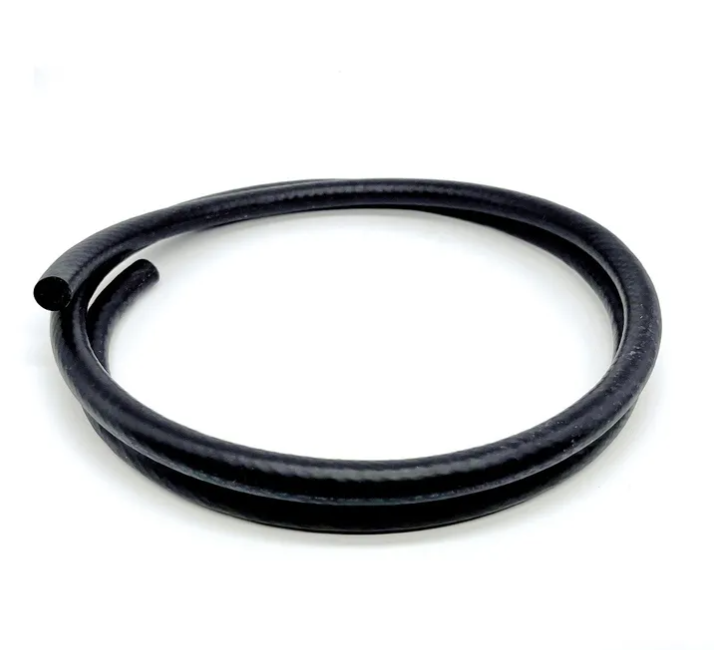
Cut-length requirements can be reviewed for the selected hose. Provide the required length, tolerance, quantity and packaging arrangement.
Length per piece or roll
Quantity per size or installation
Marking and identification requirements
Required fittings or unfinished hose ends
Packing and delivery requirements
The quotation must state the sales unit. Confirm whether the price applies per meter, cut piece or roll, together with any processing charges.
Frequently Asked Questions
Can this hose carry LPG or CNG?
This listing covers coolant service only. Request a separately documented hose for fuel-gas transfer. Do not assume compatibility from its use near autogas equipment.
Does it fit every LPG reducer?
Reducer compatibility requires connection and operating checks. Confirm size, coolant specification, pressure, temperature and installation requirements.
Can it be used with a CNG regulator?
Use depends on the regulator's coolant requirements. Confirm that the selected regulator requires a coolant connection and that this hose meets its specified conditions.
Can it replace a vehicle's main radiator hose?
That requires a separate fitment review. An 8 mm auxiliary coolant hose is not automatically suitable for a main radiator connection. See our radiator coolant hose listing for a different product scope.
What maintenance instructions apply?
Follow the vehicle, reducer and hose instructions. Qualified personnel should inspect routing, connections and hose condition during scheduled service. Request the applicable replacement criteria.
What accessories are needed?
The installation design determines the required fittings and retention parts. Confirm their compatibility separately. Our conversion kit component guide provides system context.
Request an 8mm Coolant Hose Quotation
Send the reducer and coolant-circuit requirements. Include fitting dimensions, coolant type, pressure, temperature, required length and quantity.
Confirm the supplied specification before payment. Request material details, ratings, marking, accessories, price, warranty and delivery lead time.