
Cooling-System Fitment and Hose Construction Options
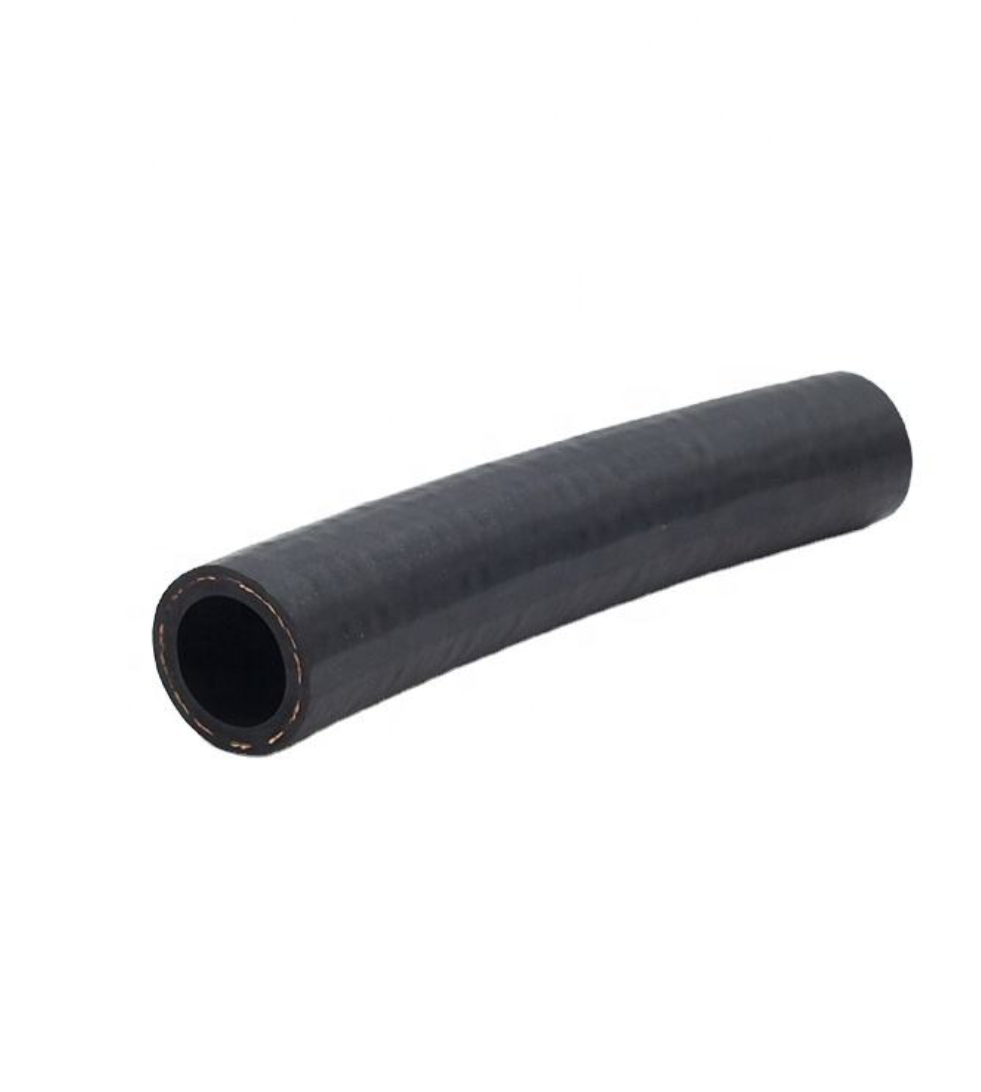
This listing covers black rubber hose for compatible automotive coolant circuits. Confirm the vehicle application, connection sizes and hose shape before ordering. Lower radiator hose fitment requires more than a matching diameter.
The selected construction must match the coolant and operating conditions. Request material details, reinforcement, pressure limits and temperature ratings for the exact supplied version.
Technical Specifications to Confirm
Each hose size and construction needs its own specification. Do not apply one pressure or temperature value to every version.
| Product Application | Compatible automotive coolant circuits |
|---|---|
| Color | Black |
| Fitment Reference | Request vehicle, engine and part-number compatibility |
| End Dimensions | Confirm internal diameters, tolerances and connection profiles |
| Shape and Length | Request the drawing, formed geometry and overall dimensions |
| Material | Confirm lining and cover compounds |
| Reinforcement | Confirm construction and reinforcement arrangement |
| Coolant Compatibility | Specify coolant chemistry and mixture concentration |
| Working Pressure | Request the rating at the specified temperature |
| Temperature Limits | Request continuous and transient limits where applicable |
| Collapse Resistance | Confirm requirements for the intended system position |
| Customization | Review dimensions, shape and marking against the required drawing |
Will It Fit Your Vehicle?
Vehicle and connection details determine fitment. Provide the vehicle model, year, engine code and existing hose reference. Include photographs or a drawing when no part number is available.
Inlet and outlet internal diameters
End orientation and connection profiles
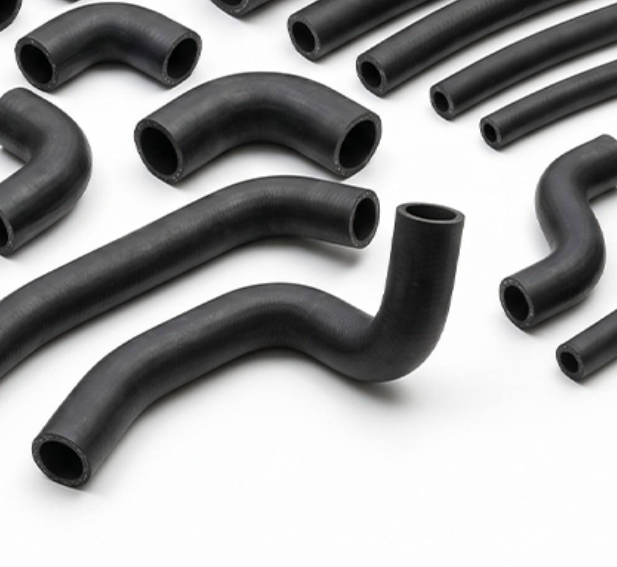
Overall length, bends and branch connections where required
Clearance from belts, fans, moving parts and hot surfaces
Specified retention and support arrangement
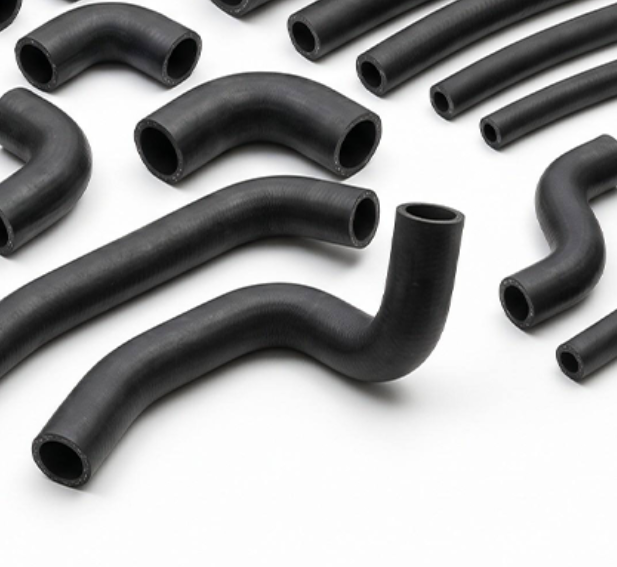
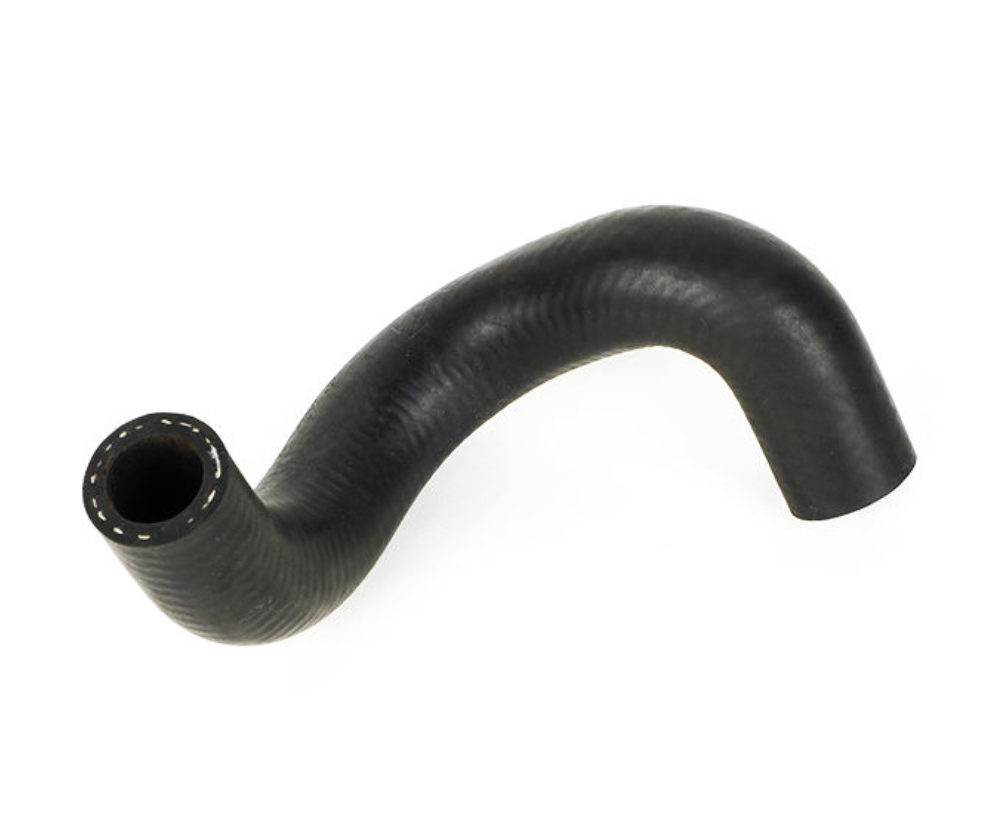
A generic straight hose is not automatically a replacement for a molded radiator hose. Confirm routing and bend requirements before selecting a construction.
Which Hose Construction Should You Choose?
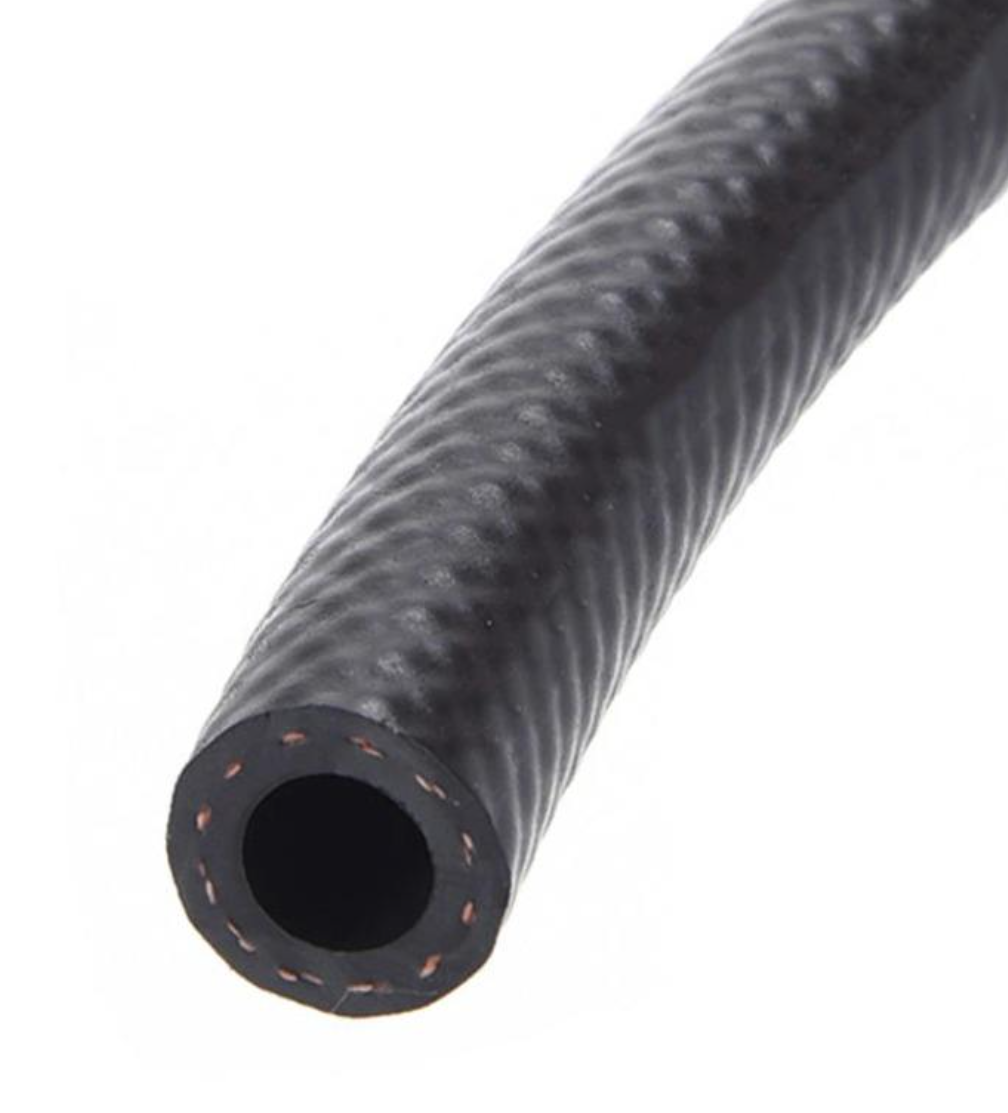
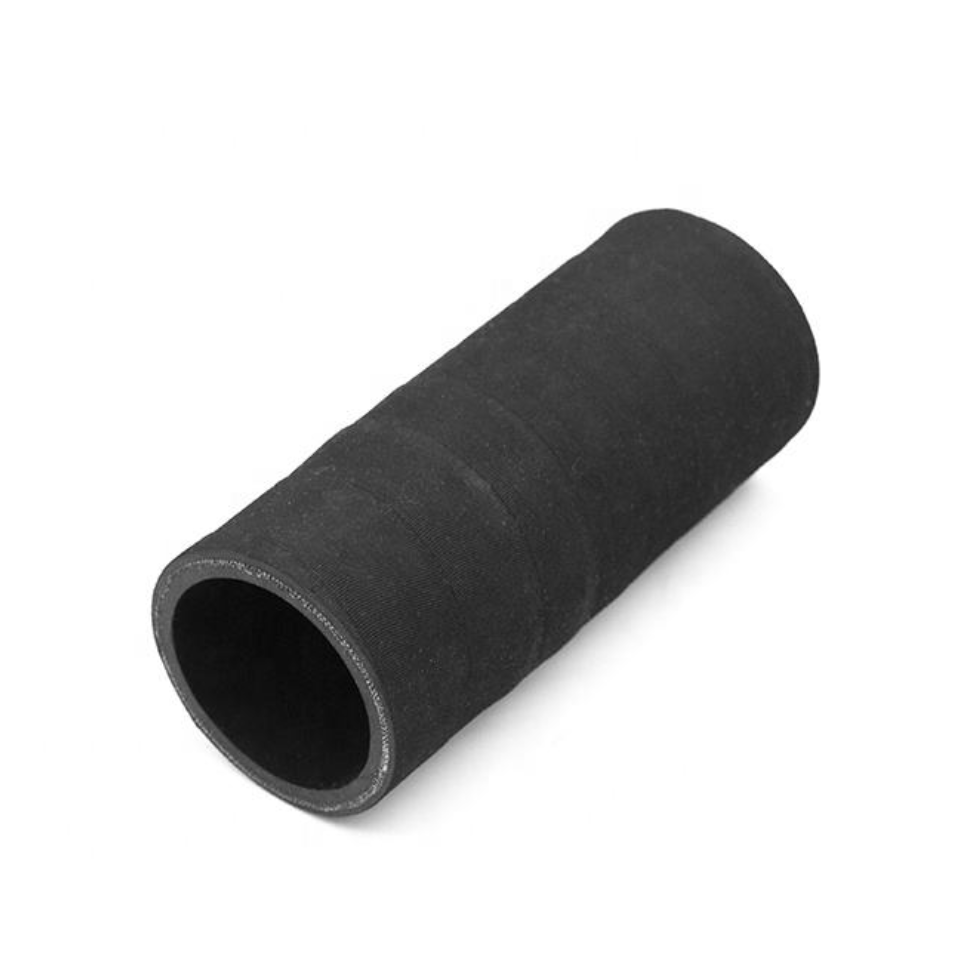
Surface appearance does not establish performance. Smooth and cloth-pattern covers may have different constructions. Select by documented ratings rather than appearance alone.
Lining: Compatibility with the intended coolant mixture.
Reinforcement: Pressure, flexibility and collapse requirements.
Cover: Relevant heat, abrasion and environmental resistance.
Geometry: Straight, bent or molded configuration.
Connections: Suitable end profile and assembly method.
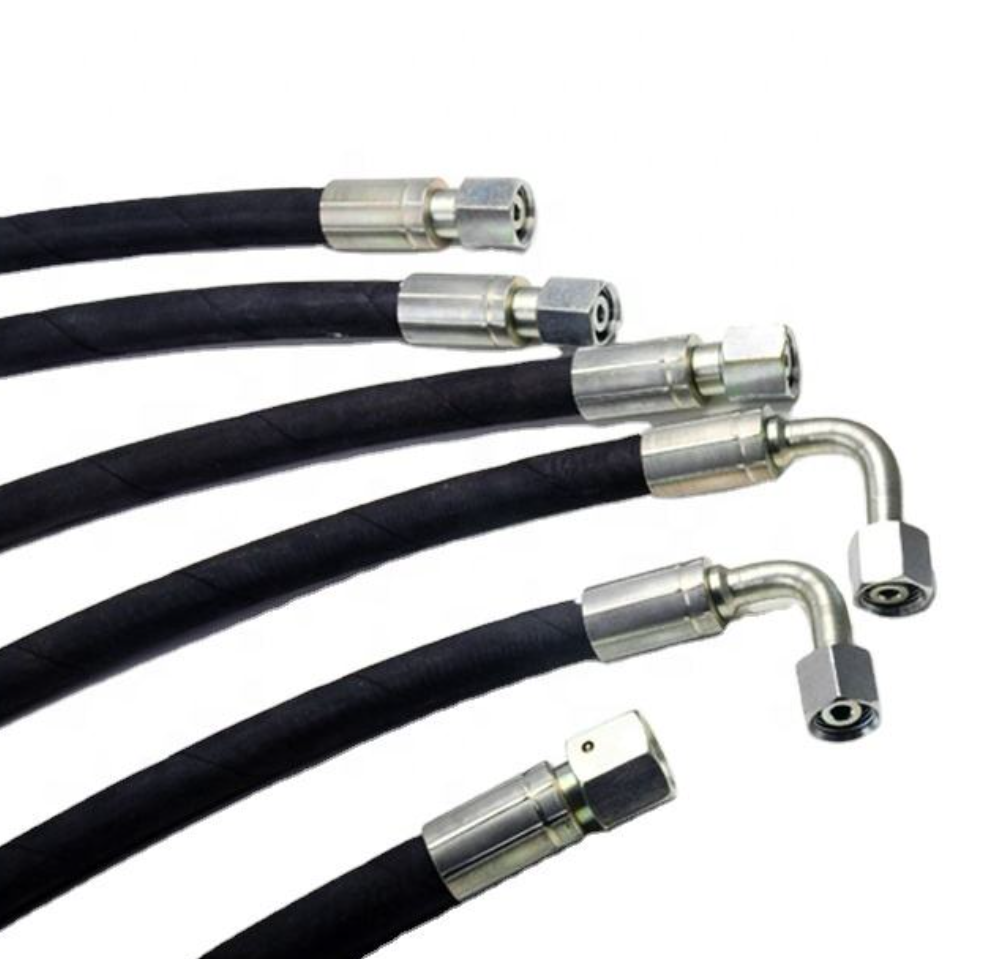
Other applications require separate qualification. Coolant suitability does not establish suitability for fuel, LPG, CNG, steam, hydraulic fluid or electrical insulation.
How Should Pressure and Temperature Claims Be Checked?
Operating limits must identify the construction and test conditions. Request the approved coolant, temperature, pressure and service conditions for the selected hose.
Rated working pressure and permitted temperature range
Transient limits where specified
Proof and burst-test requirements
Pressure or thermal cycling results where applicable
Collapse or vacuum-test requirements for the intended position
Coolant-aging and dimensional-change results
A burst-test result is not a working-pressure rating. Avoid descriptions such as “burst-proof.” Compare measured results with the documented acceptance criteria.
Factory Processing and Inspection
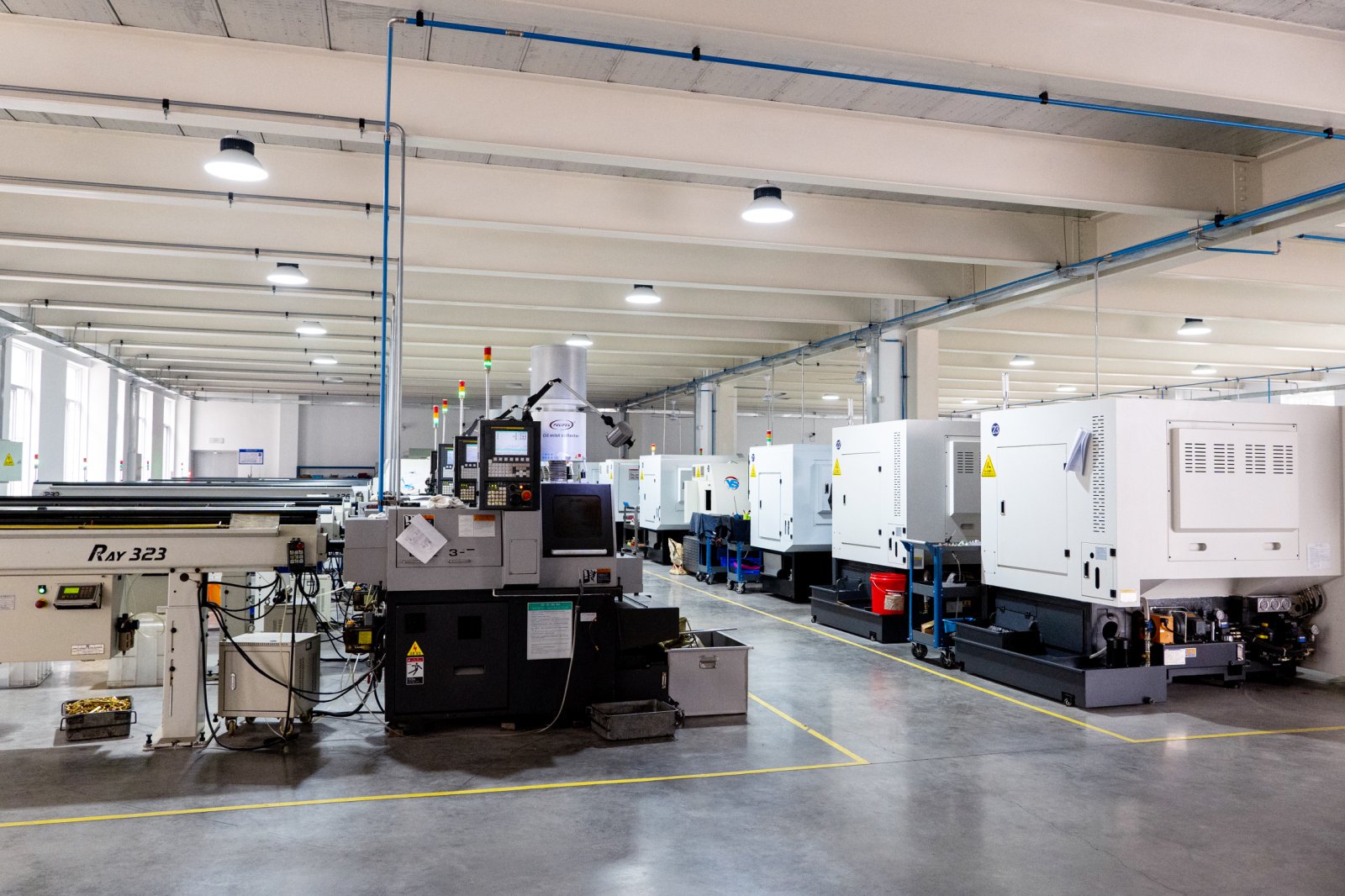
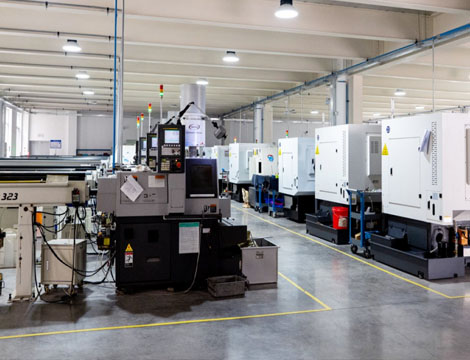
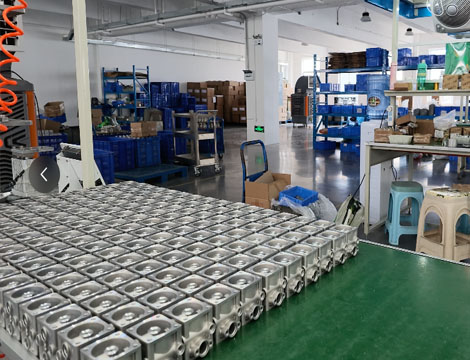
These photographs provide product and manufacturing context. Evaluate the ordered hose using its drawing, technical specification and inspection records.

Which Documents Should Buyers Request?
Inspection records should identify the hose and acceptance limits. Confirm which tests apply to individual parts, production batches or design qualification.
Dimensions: End diameters, wall, shape and length tolerances.
Material: Specified compounds and coolant compatibility.
Pressure performance: Applicable test conditions and results.
Environmental resistance: Heat, ozone or abrasion results where claimed.
Traceability: Part reference, batch and inspection date.
Test documents must match the supplied construction. Review our certification information and request applicable product records.
Frequently Asked Questions
Can this hose replace any lower radiator hose?
No universal fit is established by this listing. Confirm vehicle application, coolant compatibility, dimensions, shape and operating ratings.
Can I request a custom shape or diameter?
Custom requirements need a drawing and feasibility review. Provide end dimensions, geometry, tolerances, coolant conditions and quantity. Confirm tooling, samples and validation requirements.
Is a fabric-surface hose automatically stronger?
Appearance alone does not establish strength. Compare reinforcement specifications and relevant test results rather than assuming a fixed improvement.
Can it carry fuel or gas?
This page covers coolant applications. Request a separately documented product for fuel or gas service. Our low-pressure autogas hose listing has a different application scope.
What service instructions should be followed?
Follow the vehicle and hose manufacturer's instructions. Qualified personnel should check routing, retention and hose condition during scheduled service. Request model-specific replacement criteria.
Request a Radiator Coolant Hose Quotation
Send the vehicle reference or dimensional drawing. Include engine details, end diameters, shape, coolant specification, operating conditions and quantity.
Confirm the exact supply specification before payment. Request material, reinforcement, ratings, inspection documents, sample terms, price, warranty and delivery lead time.