
Hose Construction, Size and Application Selection
This listing covers a black flexible rubber hose with braided reinforcement options. Confirm the exact construction, dimensions and intended medium before ordering. Different sizes or materials may have different operating limits.
Media compatibility requires a specification for the selected hose. Do not assume one construction is suitable for oil, LPG, CNG, hydrogen, nitrogen, acids and alkalis. Provide the medium and operating conditions for review.
Product Specifications
The ordered size and construction determine the applicable ratings. Request a technical sheet for the exact hose rather than using one specification for the entire range.
| Product Type | Flexible braided rubber hose; confirm construction |
|---|---|
| Listed Standard Color | Black; confirm other color options |
| Size Selection | Confirm the required internal diameter, including 10 mm where available |
| Listed Series Diameter Range | 3–60 mm; confirm available sizes and corresponding ratings |
| Outer Diameter and Wall | Request dimensions and tolerances for the selected size |
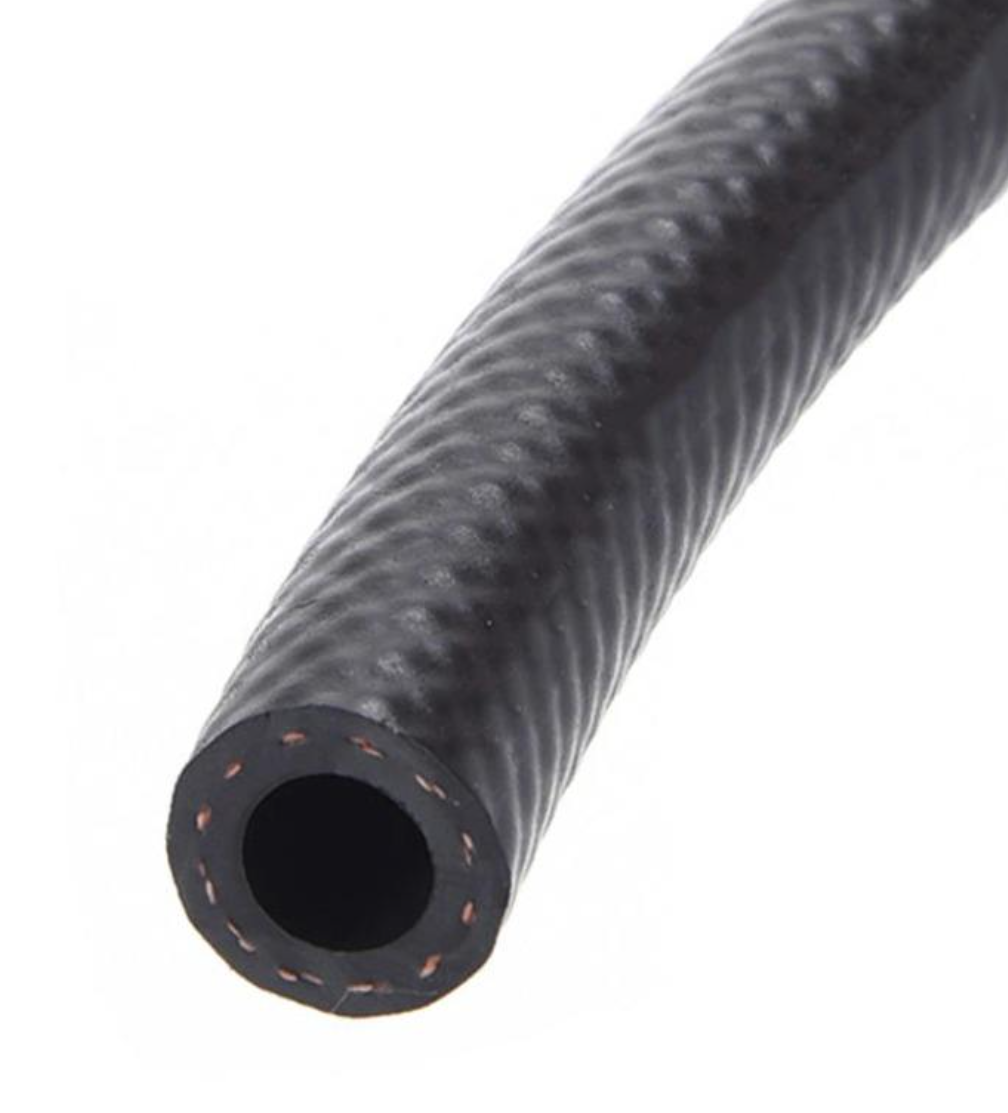
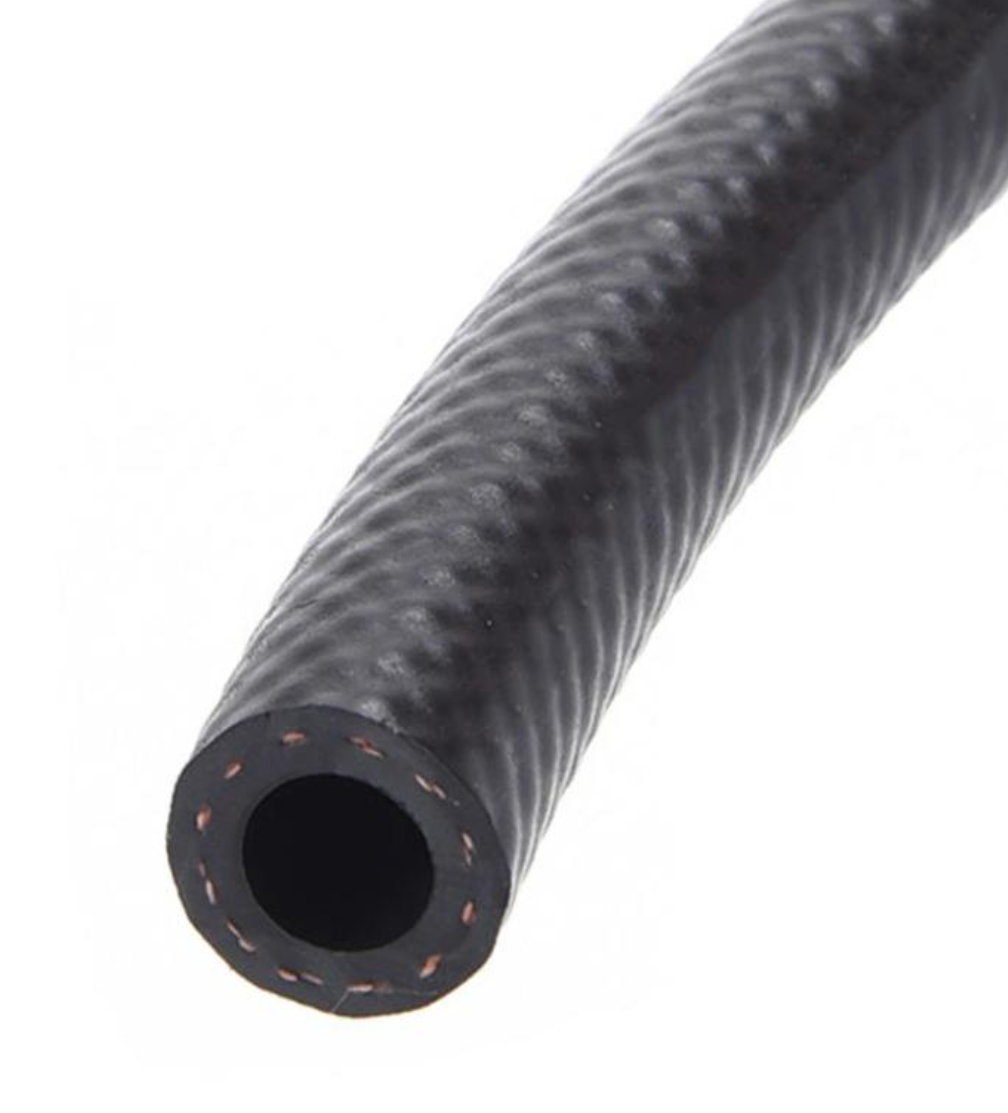
| Reinforcement | Confirm steel-wire braid, textile reinforcement and layer arrangement |
| Lining and Cover | Request rubber compound and material specifications |
| Working Pressure | Request the rating at the specified temperature and medium |
| Temperature Range | Request verified limits for the selected construction and medium |
| Processing | Confirm cutting and forming options, tolerances and minimum quantities |
| Listed Minimum Order | 200 meters; confirm applicability to size, construction and color |
Which Medium Will the Hose Carry?
The lining, seals and complete assembly must be suitable for the intended medium. Supply the exact fluid or gas description. For mixtures, include relevant composition and concentration.
Oil service: Identify the oil type, temperature and pressure conditions.
Gas service: Identify the gas, phase, pressure and required permeability performance.
Chemical service: Specify chemical name, concentration and operating temperature.
Vehicle applications: Confirm the circuit location and applicable component requirements.
Oil resistance does not establish gas or chemical suitability. Hydrogen and other gas applications require specific documentation. Do not select the hose for high-pressure CNG cylinder lines from this general listing.
How Should Pressure and Temperature Ratings Be Checked?
Working pressure must be tied to a defined hose construction and temperature. Braided reinforcement alone does not establish a pressure rating.
Rated working pressure and permitted temperature range
Proof and burst-test values, separately identified
Pressure derating where applicable
Minimum bend radius and permitted movement
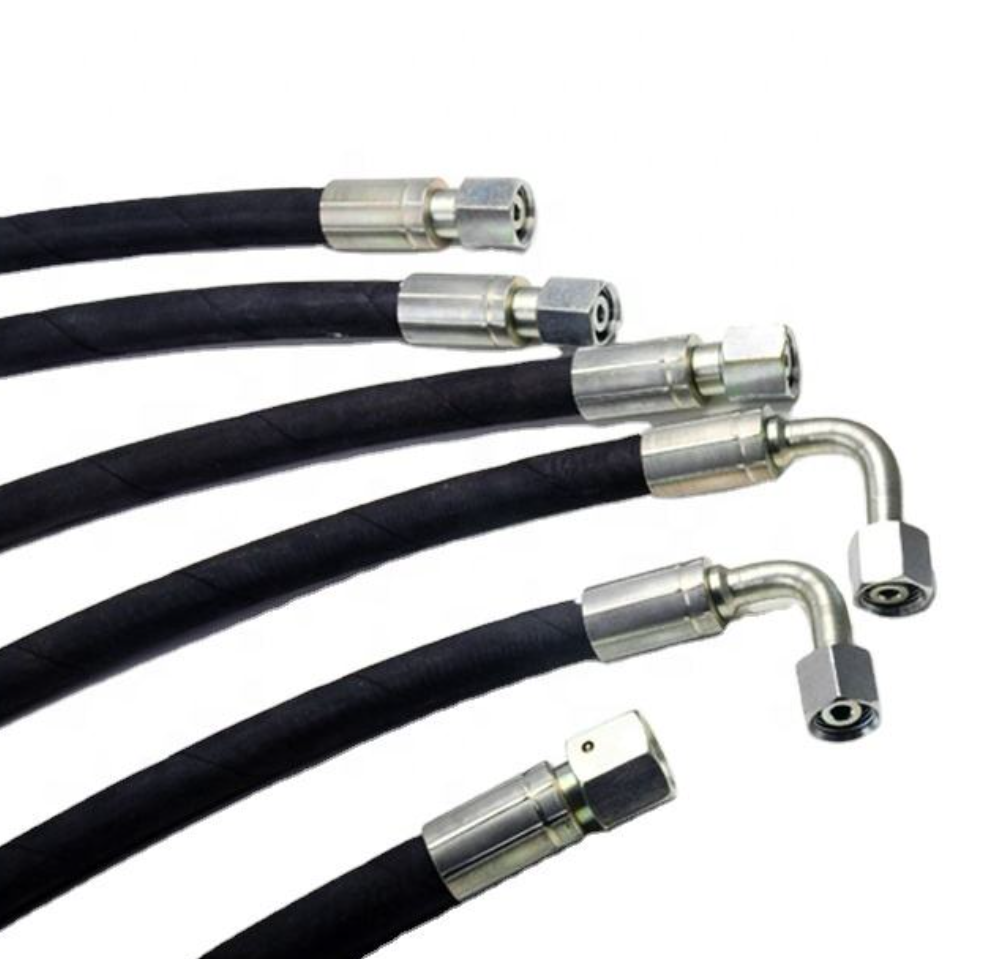
Compatible fittings and assembly method
Specified external environmental limits
The complete hose assembly must meet the application requirements. Hose, fittings and retention components must be reviewed together.
Can You Order Specific Lengths or Formed Shapes?
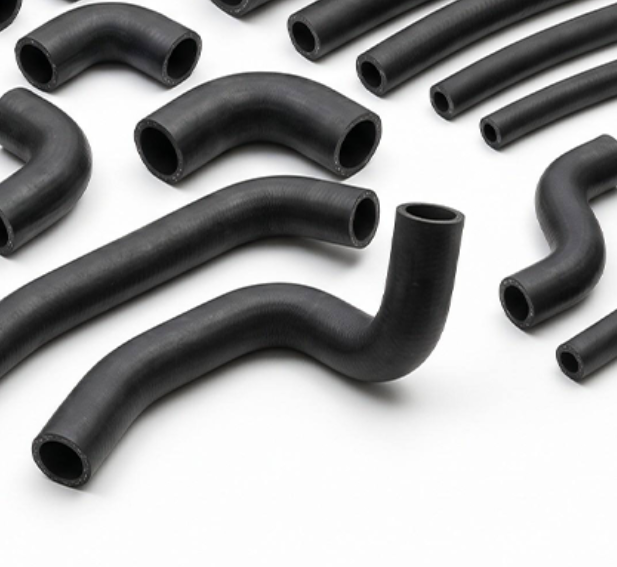
Cutting and forming requirements can be reviewed for the selected construction. Provide the dimensions and tolerances needed for the finished part.
Internal and external diameters
Cut length and length tolerance
Required bend or formed-part drawing
End fittings or unfinished hose ends
Marking, color and packaging requirements
Quantity per size or part number
Forming feasibility depends on the hose design. Do not assume every reinforced hose can be molded into any shape or bent below its specified limit.
Which Test Records Should Buyers Request?
Test evidence should identify the exact hose and intended use. Confirm which checks apply to individual products, production batches or design qualification.
Dimensions: Internal diameter, outer diameter, wall and tolerances.
Pressure testing: Test medium, pressure, duration and acceptance criteria.
Media compatibility: Material, exposure conditions and measured results.
Gas permeability: Test gas and conditions where gas service is claimed.
Environmental resistance: Applicable aging, abrasion or weathering results.
Assembly performance: Fitting compatibility, leakage and retention checks.
Traceability: Product reference, batch and inspection date.
Documents should cover the supplied construction. Review our certification information and request applicable records.
Frequently Asked Questions
Is the hose suitable for CNG or LPG conversion systems?
Suitability requires fuel-specific confirmation. Check the medium, phase, pressure, temperature and installation position. Our 10mm low-pressure autogas hose listing describes a separate product scope; its specifications should not be transferred to this hose.
Is 1.2mm wall thickness available for every diameter?
The wall specification must be confirmed for each size and construction. Request the dimensional drawing and tolerance rather than applying one value across the range.
Can this hose carry hydrogen?
Hydrogen compatibility is not established by this listing. Request documentation covering the exact material, pressure, temperature and intended assembly before selection.
Does the quoted price apply per meter or per roll?
The quotation must define the sales unit. Confirm price per meter, roll length, cut-piece quantity and any processing charges before comparing offers.
What packing information should be confirmed?
Packing depends on diameter, construction and supplied length. Request roll or carton quantity, dimensions, net weight and gross weight for the actual order.
What maintenance instructions apply?
Follow the instructions for the approved application. Request inspection intervals and replacement criteria. For vehicle gas systems, our maintenance guide provides background information.
Request a Braided Rubber Hose Quotation
Send the medium and operating conditions first. Include pressure, temperature, internal diameter, required length, fittings, routing conditions and order quantity.
Confirm the exact construction and supply scope before payment. Request material details, ratings, inspection documents, sales unit, packing, warranty and delivery lead time.