
Braided Hose Construction and Fuel-Line Selection
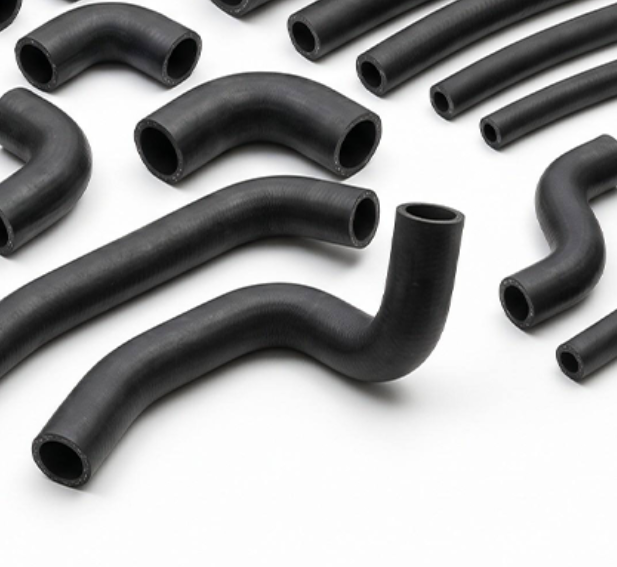
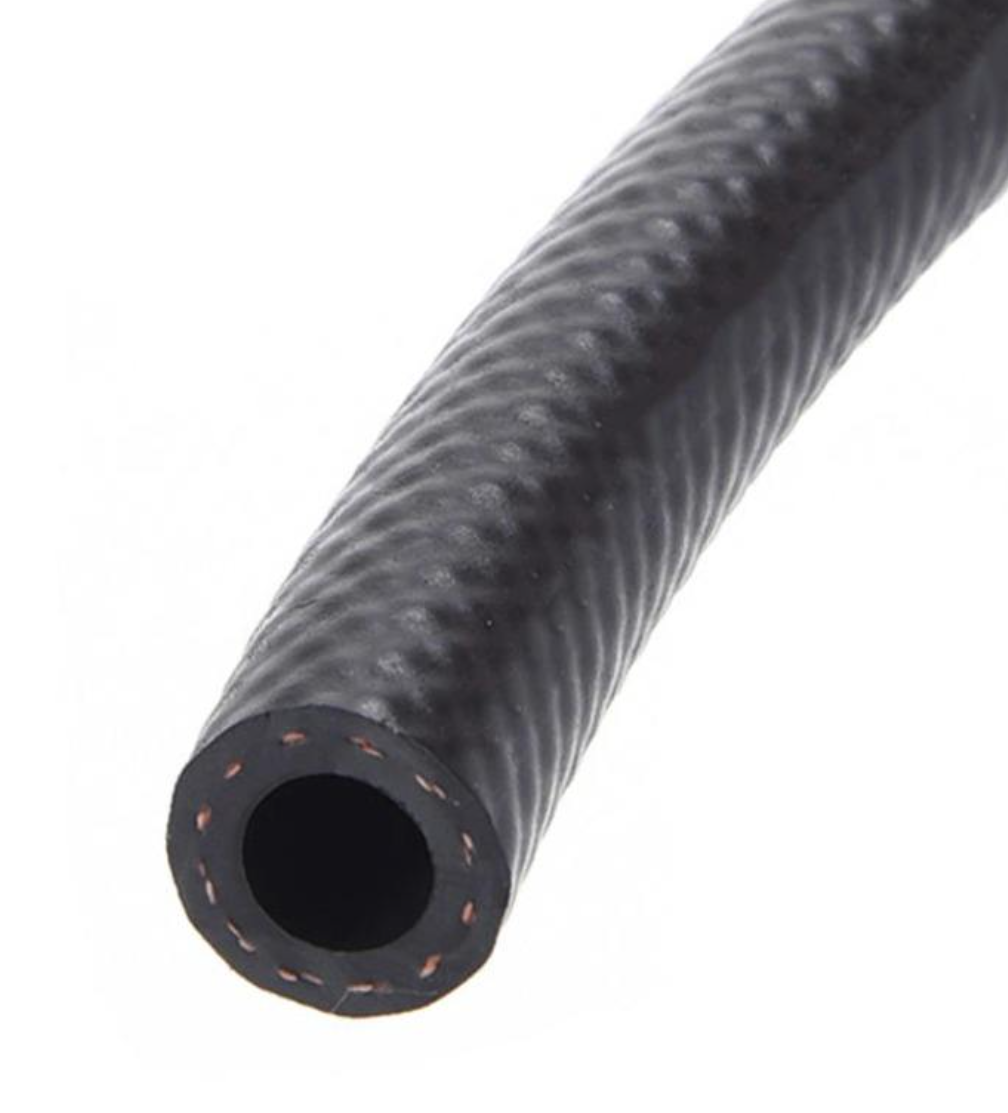
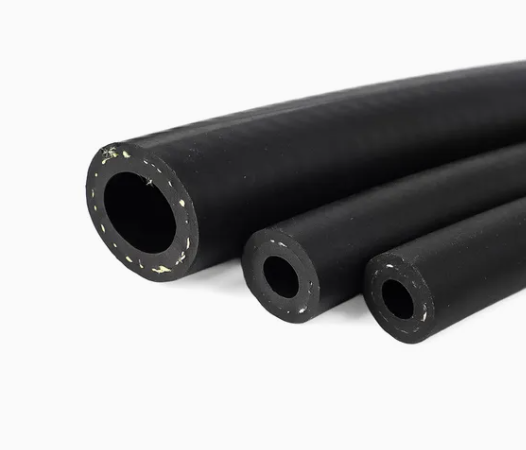
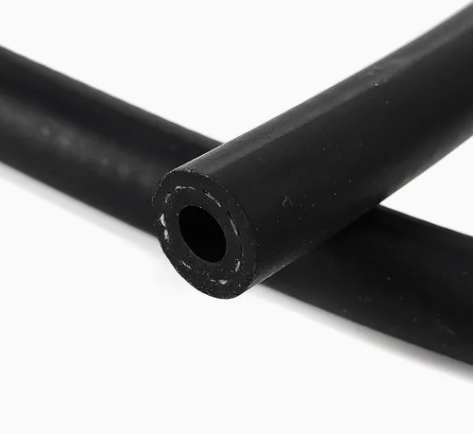
This automotive gas hose has a synthetic inner tube, braided fiber reinforcement and a synthetic outer cover. It is offered for compatible LPG or CNG conversion applications. Select the hose specification for the actual fuel, operating pressure, temperature and connection size.
The hose specification determines where it can be installed. An LPG or CNG application label alone does not establish suitability for liquid LPG, cylinder-pressure CNG or vehicle refueling lines.
Hose Construction
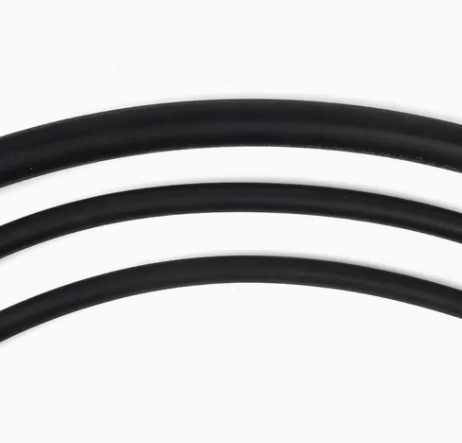
Inner tube: Black, smooth synthetic material forming the surface in contact with the conveyed medium.
Reinforcement: Braided fiber layer supporting the hose structure. The allowable working pressure must come from the specification for the selected size.
Outer cover: Black, smooth synthetic material forming the exterior surface. Temperature, ozone and aging performance require supporting test data.
Which Specifications Are Needed Before Ordering?
Hose size and service conditions must be checked together. Provide the following details so the required specification can be identified.
| Selection Item | Required Information |
|---|---|
| Fuel and phase | LPG vapor, liquid LPG or CNG, with the intended installation position |
| Hose dimensions | Inside diameter, outside diameter and dimensional tolerances |
| Working pressure | Required operating pressure and applicable hose rating |
| Temperature range | Minimum and maximum continuous service temperatures, plus any short-duration peaks |
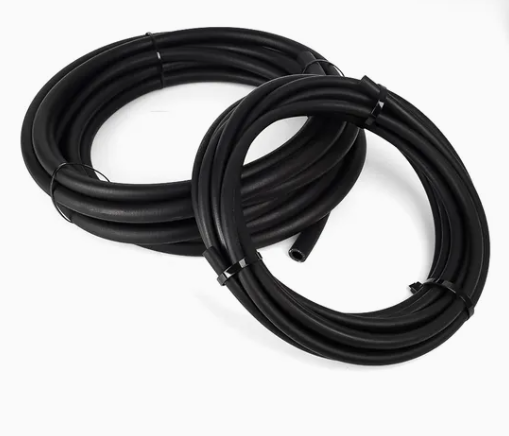
| Routing | Required length, available space and minimum bend radius |
| Connections | Fitting dimensions and the specified clamping or crimping method |
| Compliance documents | Applicable standard, test report or approval required for the destination market |
Gas permeation performance needs a defined test result. A useful report identifies the hose construction, test medium, pressure, temperature, duration and measured permeation rate. A general “low permeability” description does not establish a numerical limit or approval.
Factory and Processing Images
Matching the Hose to an Autogas System
Match the hose to the specific line rather than the vehicle category. Passenger cars, taxis and light commercial vehicles can use different pressures, fittings and routing arrangements. Identify the line between the relevant system components before selecting a replacement.
Identify whether the line carries gas, coolant or vacuum.
Check the fuel phase and pressure at that installation position.
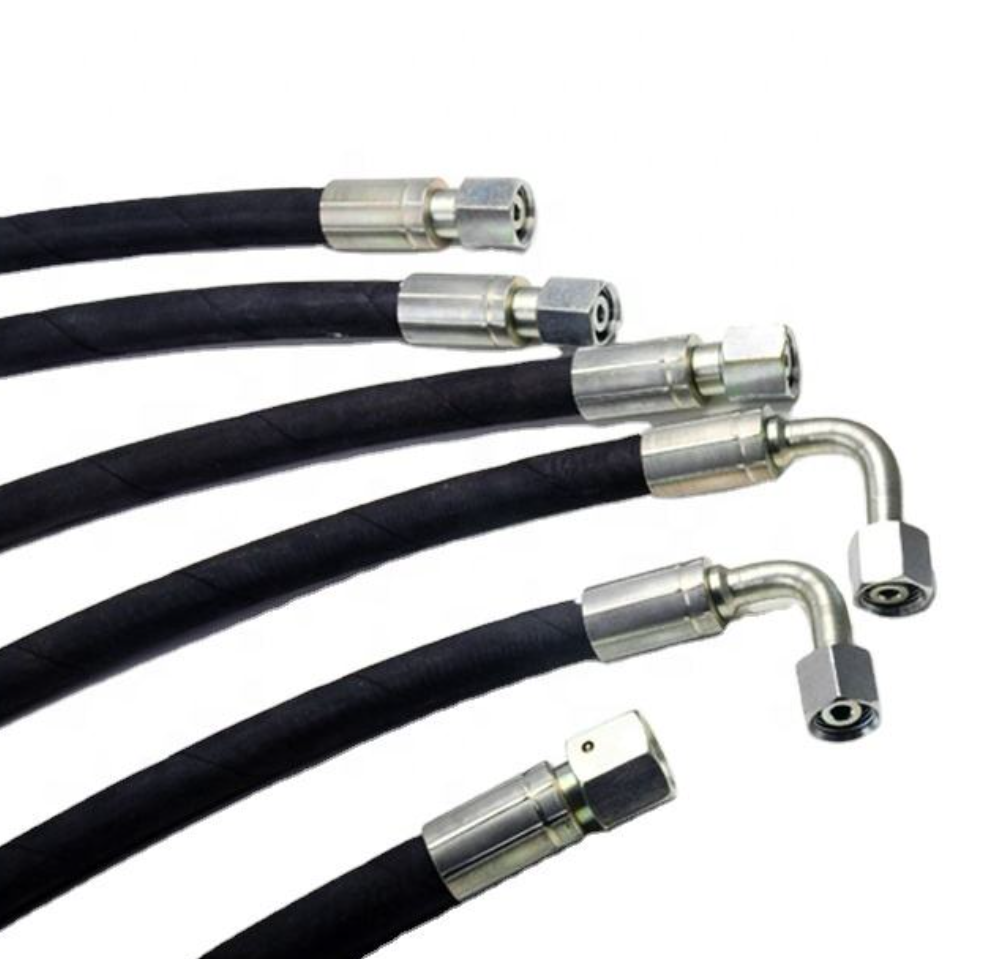
Match the hose inside diameter to the specified fitting.
Match the hose outside diameter to the permitted clamp or connection system.
Check the documented temperature range and bend radius for the selected hose.
Gas, coolant and vacuum lines require separate material and performance checks. Browse our conversion hoses and pipes for gas, coolant and vacuum to compare the different line categories.
Frequently Asked Questions
Can one hose specification be used for both LPG and CNG?
Dual-fuel suitability must be documented for the exact hose specification. Confirm the medium, fuel phase, pressure and temperature limits for each application. A similar appearance does not establish interchangeability.
Can this hose operate continuously at 125°C?
The continuous temperature limit must come from the selected hose datasheet. Confirm whether a stated temperature is a continuous rating or a short-duration limit, and whether it applies with the intended fuel and pressure.
Does low gas permeability mean the hose cannot leak?
Permeation through the hose wall and leakage at a damaged hose or connection are different issues. Permeation data does not replace correct fitting selection, installation checks or system leak testing.
Can this hose replace a high-pressure CNG filling line?
Use a hose assembly specifically rated and approved for the filling-line application. Do not select a cylinder-pressure or refueling hose solely because it is described as a CNG hose.
Installation and Replacement Checks
Routing must stay within the hose manufacturer's installation limits. Avoid twisting, kinking, abrasion and contact with hot or moving components. Maintain the specified bend radius and use the approved connection method.
Inspect the hose and connections according to the system maintenance schedule. Check for cracking, swelling, abrasion, hardening and connection damage. Follow the applicable replacement and leak-test procedures. Read our autogas system maintenance guide for related maintenance information.
Request a Hose Specification and Quotation
Send the operating conditions with your inquiry. Include the fuel and phase, inside and outside diameters, working pressure, temperature range, required length and order quantity. Contact us to confirm the suitable hose specification and available documentation.