
Selecting Separate Lines for Gas, Coolant and Vacuum
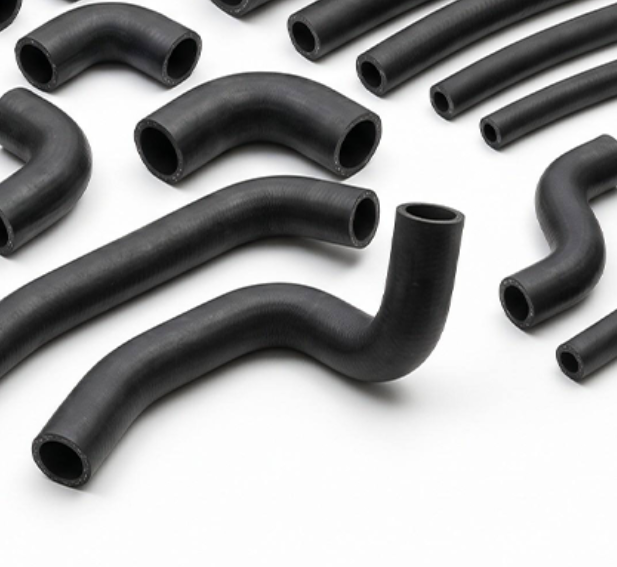
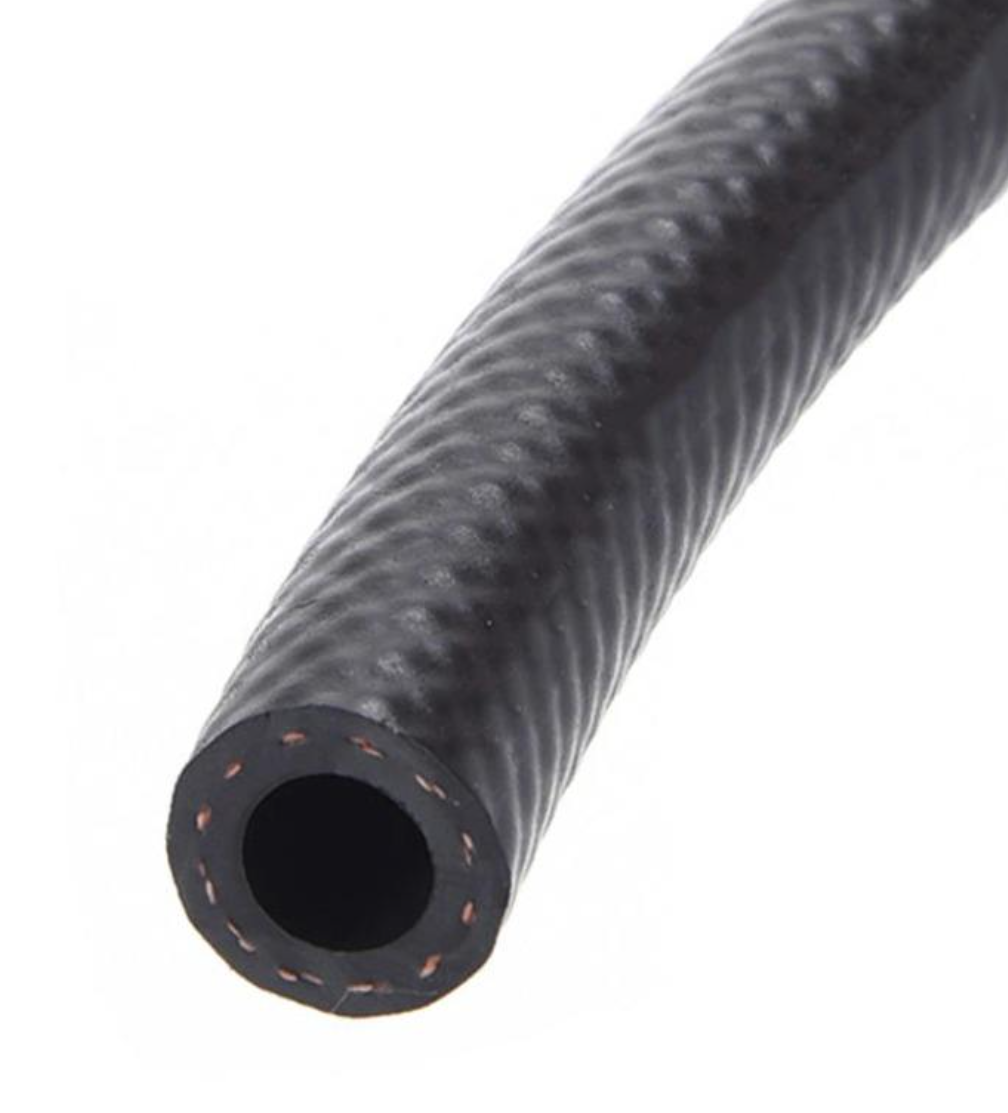
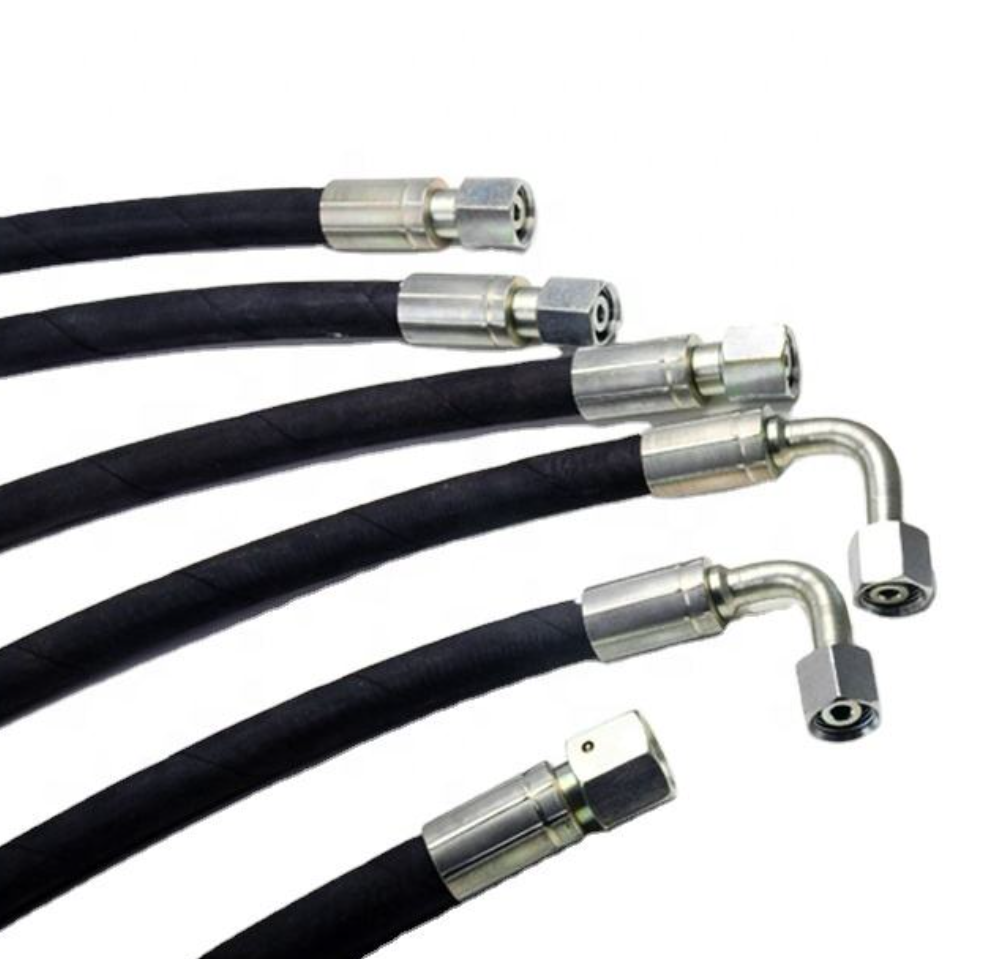
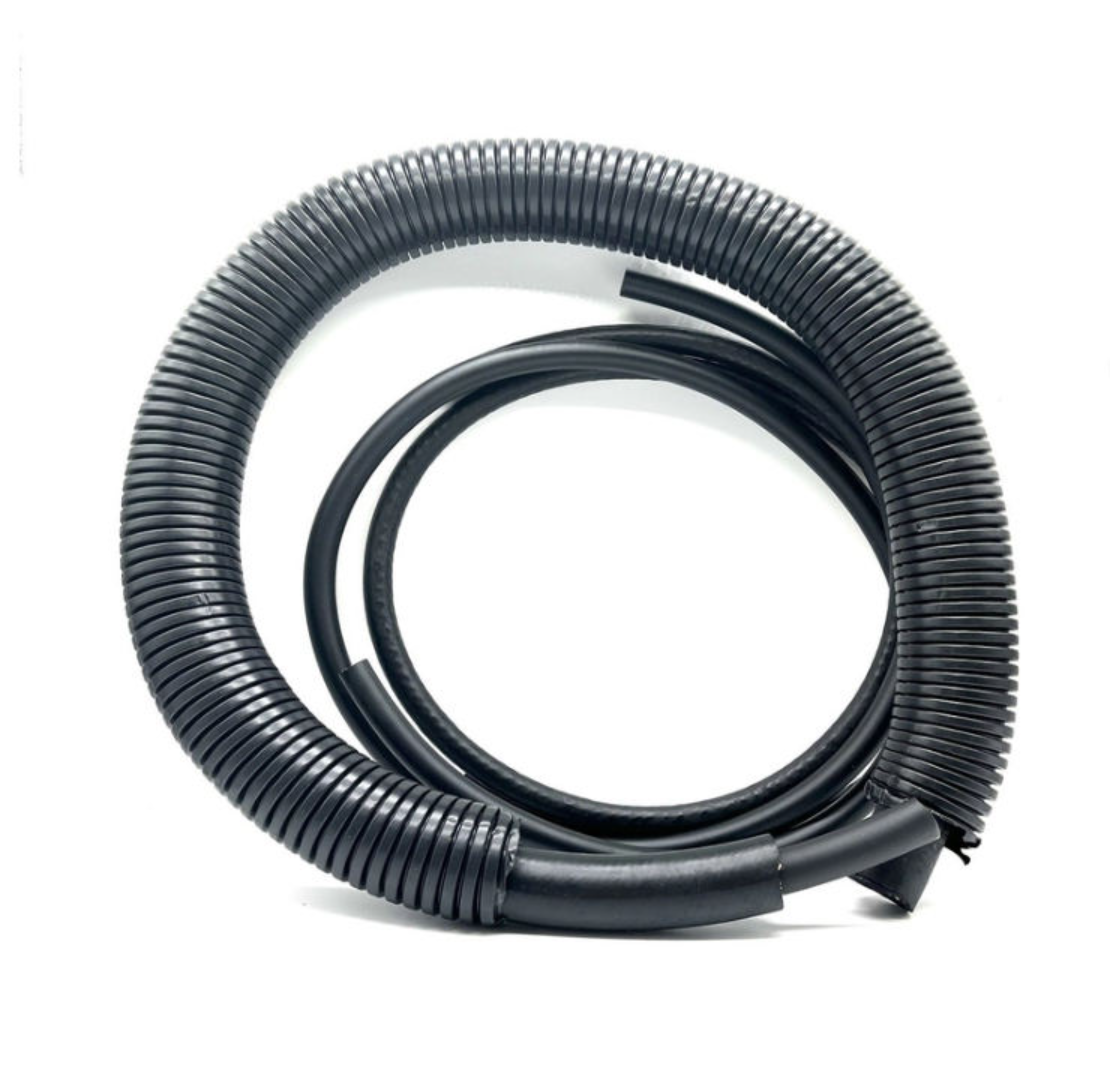
This range includes different hoses and pipes for different system functions. Listed options include low-pressure gas hose, coolant hose, vacuum hose, copper pipe and venting pipe. Select each item by its intended medium and documented operating conditions.
These products are not interchangeable. Similar dimensions do not establish equivalent materials, pressure ratings or fuel compatibility. Request the specification for each ordered item.
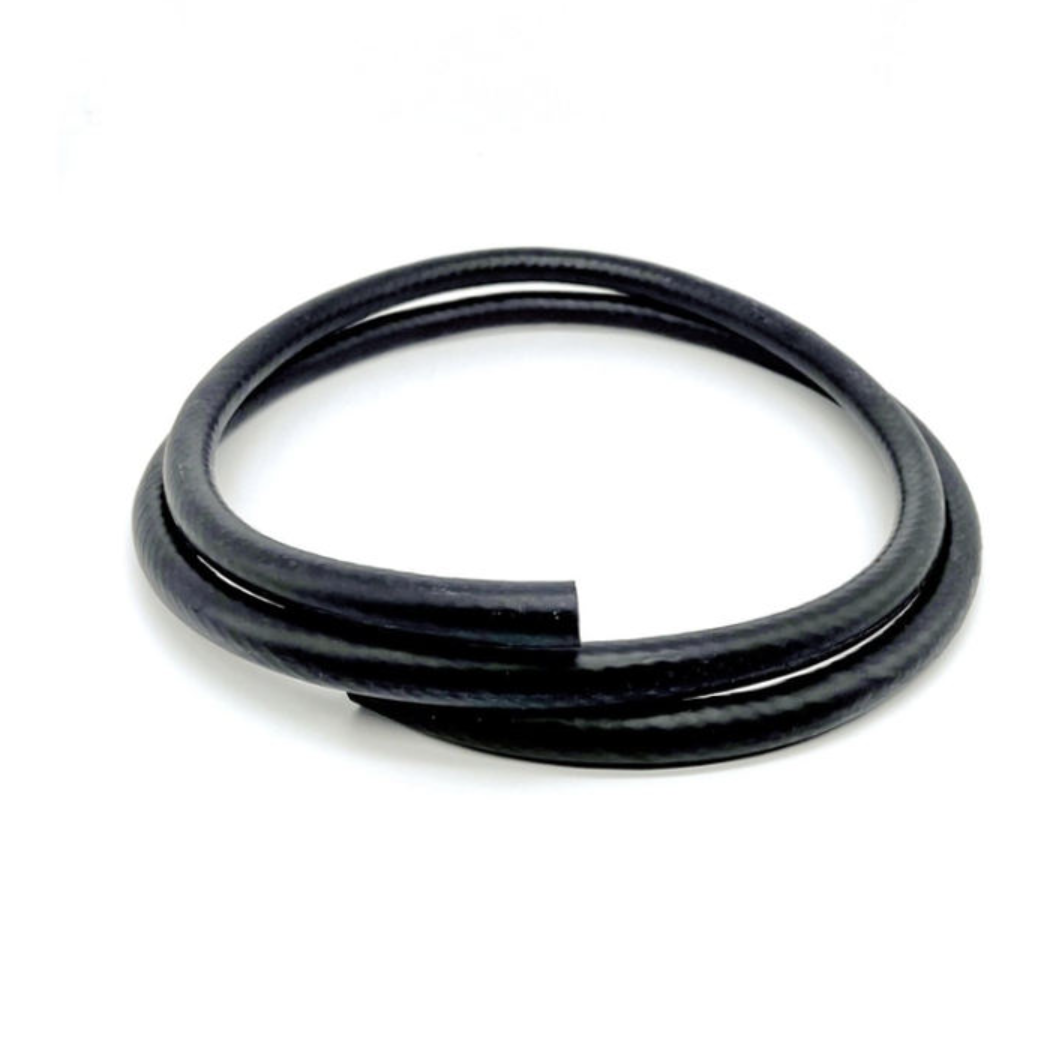
Listed Sizes and Product Types
The following dimensions reproduce the supplied product references. Confirm whether each diameter is internal, external or nominal, together with tolerances and connection requirements.
| Product Type | Listed Dimensions | Information to Confirm |
|---|---|---|
| Low-Pressure Gas Hose | Ø4, Ø5, Ø5.5, Ø6, Ø8, Ø10.5, Ø12 and Ø19 mm | Diameter definition, fuel and phase compatibility, material and working limits |
| Rubber Coolant Hose | Ø7 and Ø16 mm | Diameter definition, coolant compatibility and pressure-temperature ratings |
| Rubber Vacuum Hose | Ø4 and Ø5.5 mm | Diameter definition, vacuum performance and ECU or sensor connection requirements |
| Copper Pipe Listed for LPG | Ø8 × 900 mm | Diameter and length interpretation, wall thickness, material grade and approval for the intended circuit |
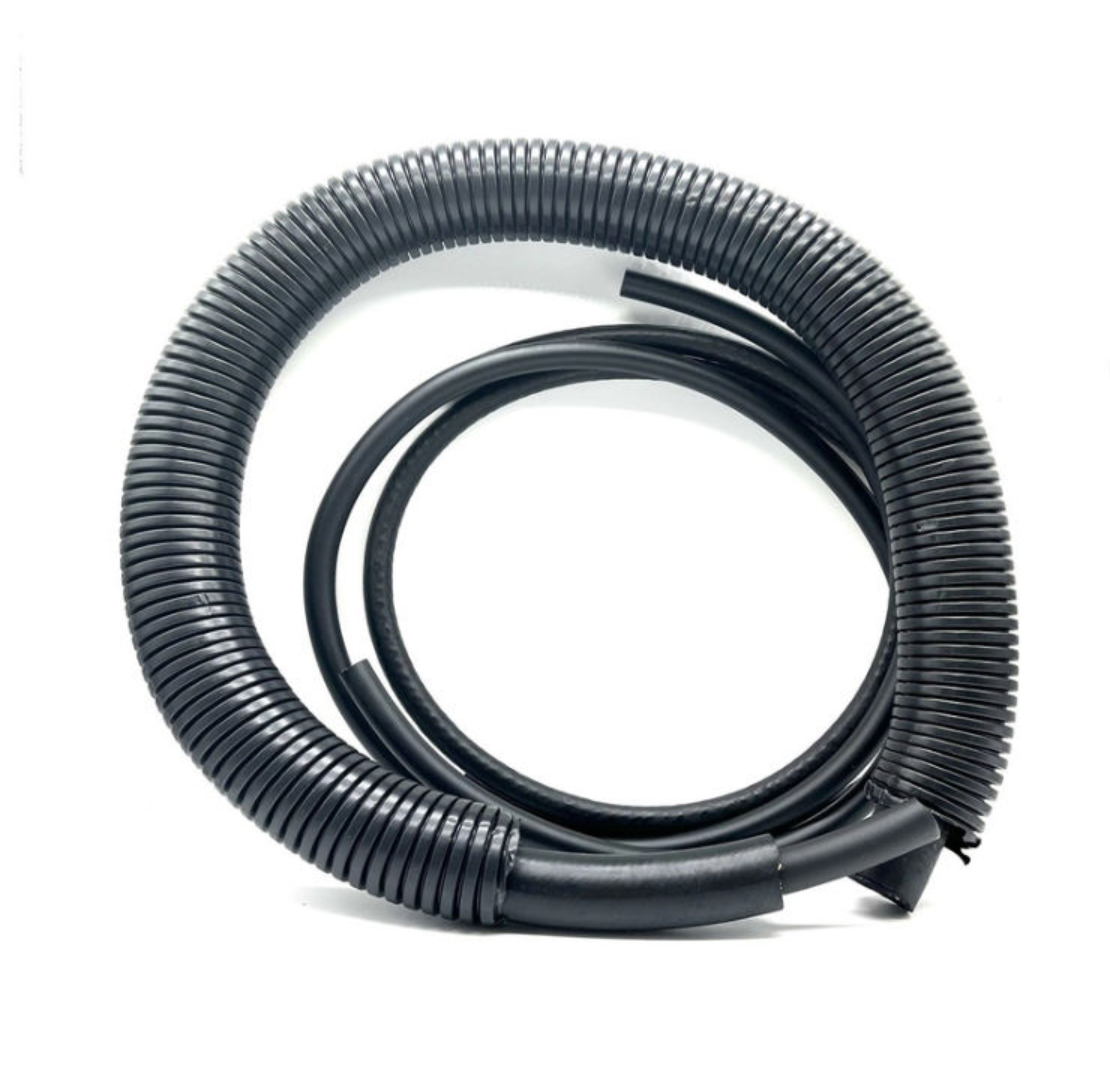
| Venting Pipe | Ø30 × 800 mm | Dimensions, material, intended function and approved routing |
Which Line Type Does Your Installation Require?
The system diagram determines the line function. Identify the connected components and medium before selecting a hose or pipe.
Gas line: Confirm fuel, phase, pressure and material compatibility.
Coolant line: Confirm coolant chemistry, temperature and pressure.
Vacuum line: Confirm the pressure-reference function and resistance to collapse.
Rigid pipe: Confirm material grade, dimensions, fittings and application requirements.
Venting line: Confirm the specified source, destination and routing function.
A venting pipe is not automatically an engine exhaust pipe or relief-device discharge line. Use the installation drawing to establish its intended role.
The complete conversion system requires matched components. Review our conversion kit component guide for system context.
What Ratings Must Be Checked?
Each line requires application-specific operating limits. A shared product page does not mean every item has the same pressure, temperature or media rating.
Exact medium and fuel phase where applicable
Rated working pressure or vacuum conditions
Operating temperature range
Material and reinforcement construction
Minimum bend radius or forming requirements
Compatible fittings and retention method
Applicable test or approval documentation
This listing does not establish high-pressure CNG cylinder-line suitability for rubber hoses. Request separately documented components for that circuit.
How Should Connections and Routing Be Selected?
The hose or pipe must match its fittings and assembly method. Confirm connection profiles, sealing arrangements and installation instructions before purchasing accessories.
Verify mating dimensions and tolerances.
Use the specified clamp, ferrule or other retention system.
Respect the required bend radius.
Avoid unsupported loads and unsuitable heat exposure.
Provide clearance from moving or abrasive components.
Follow the specified support and inspection requirements.
Different line functions require different checks. See our low-pressure gas hose and reducer coolant hose listings for separate product scopes.
Which Quality Records Should Buyers Request?
Inspection records should identify the individual product specification. Request the checks relevant to the intended medium and installation.
Dimensions: Diameter, wall, length and tolerances.
Material: Compound or metal grade and applicable compatibility data.
Pressure performance: Working ratings and relevant test conditions.
Vacuum performance: Collapse or deformation results where applicable.
Connections: Leakage and retention checks with specified fittings.
Traceability: Product reference, batch and inspection date.
Documents must cover the supplied item. Review our certification information and request applicable records.
Frequently Asked Questions
Can vacuum hose replace a gas hose?
Not on the basis of this listing. Vacuum and fuel-gas service require different compatibility checks. Use only a hose documented for the intended medium and operating conditions.
Can coolant hose carry CNG or LPG?
Coolant suitability does not establish fuel compatibility. Select a separately specified gas hose for the fuel circuit.
Does the copper pipe fit every LPG installation?
No universal fit is established. Confirm material grade, wall thickness, connections, operating limits and destination requirements.
Can I order a complete line package?
A package can be reviewed against an itemized requirement. List each line function, size, length, quantity and fitting. Confirm technical compatibility separately for every item.
What maintenance instructions apply?
Follow the component and system instructions. Qualified personnel should inspect routing, connections and material condition. Our gas system maintenance guide provides background information.
Request an Autogas Hose and Pipe Quotation
Send an itemized list of line requirements. Include function, medium, dimensions, length, pressure, temperature, fittings and quantity for each item.
Confirm the supplied specifications before payment. Request product references, material details, ratings, marking, packing, price, warranty and lead time.