
Hose and Connection Selection for CNG Transfer
This compressed natural gas hose is offered for compatible NGV refueling and CNG transfer applications. Select the hose or hose assembly by its documented working pressure, dimensions, temperature range and end connections.
The intended application determines the required assembly specification. Identify whether the connection serves a vehicle refueling dispenser, a loading or unloading installation, or a station transfer line before selecting the product.
Hose and Assembly Options
Supply format: Specify whether you require hose only or a finished assembly with end fittings.
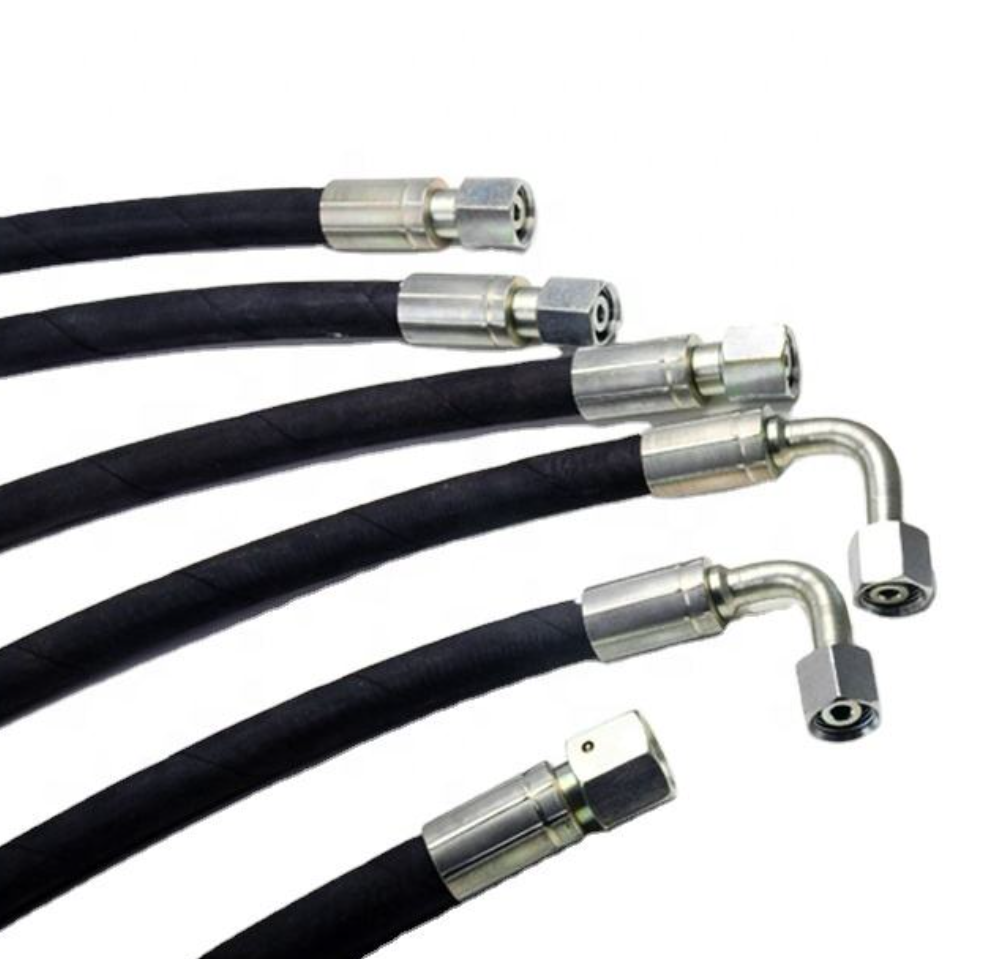
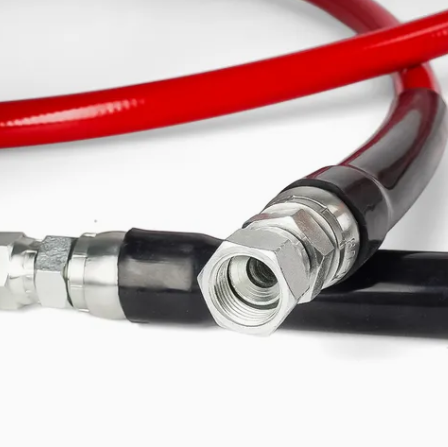
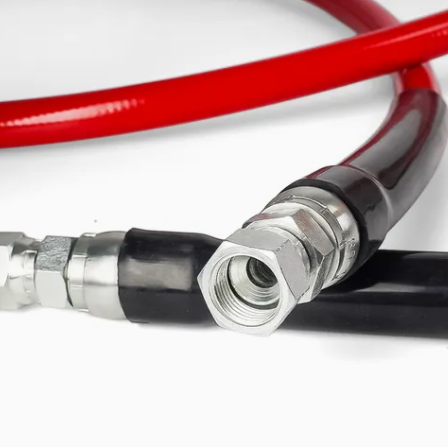
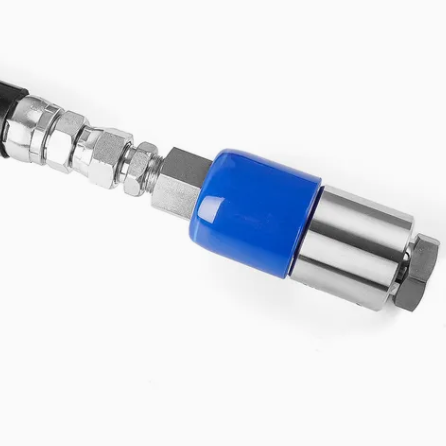
Connection options: Ball valve, quick coupling and flange arrangements can be discussed for the required installation. Availability depends on the selected assembly.
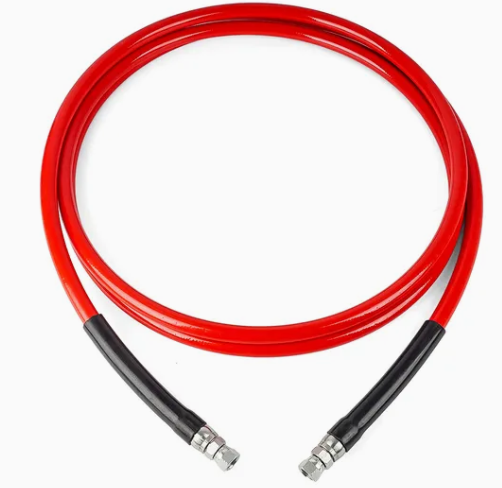
Assembly length: Provide the required overall length and the measurement reference points.
Connection details: Specify thread type, nominal size, sealing arrangement or flange specification at each end.
Every pressure-carrying component must suit the specified service. Confirm the hose, fittings, valves and couplings as a complete assembly rather than selecting each part by appearance alone.
Specifications Required for Selection
| Selection Item | Required Details |
|---|---|
| Application | NGV refueling, CNG loading or unloading, or station gas transfer |
| Medium | Compressed natural gas; specify gas composition and any relevant contaminants |
| Hose dimensions | Inside diameter, outside diameter and required flow capacity |
| Working pressure | Maximum operating pressure and any expected pressure fluctuations |
| Temperature | Gas temperature and ambient operating range |
| Length | Required overall assembly length |
| End connections | Connection type, size, sealing arrangement and orientation at both ends |
| Routing | Available space, movement requirements and minimum bend radius |
| Documentation | Applicable specification, inspection records and required approvals |
Working pressure must be stated for the exact hose assembly. Working pressure, proof-test pressure and burst pressure are different values. Use the documented working-pressure rating when checking suitability for service.
Factory and Processing Images
What Performance Documents Should Be Checked?
Performance claims should be supported by records identifying the supplied model or assembly. Check that the documentation covers the hose size, end fittings and intended operating conditions.
Pressure testing: Test pressure, test medium, duration, acceptance criteria and assembly identification.
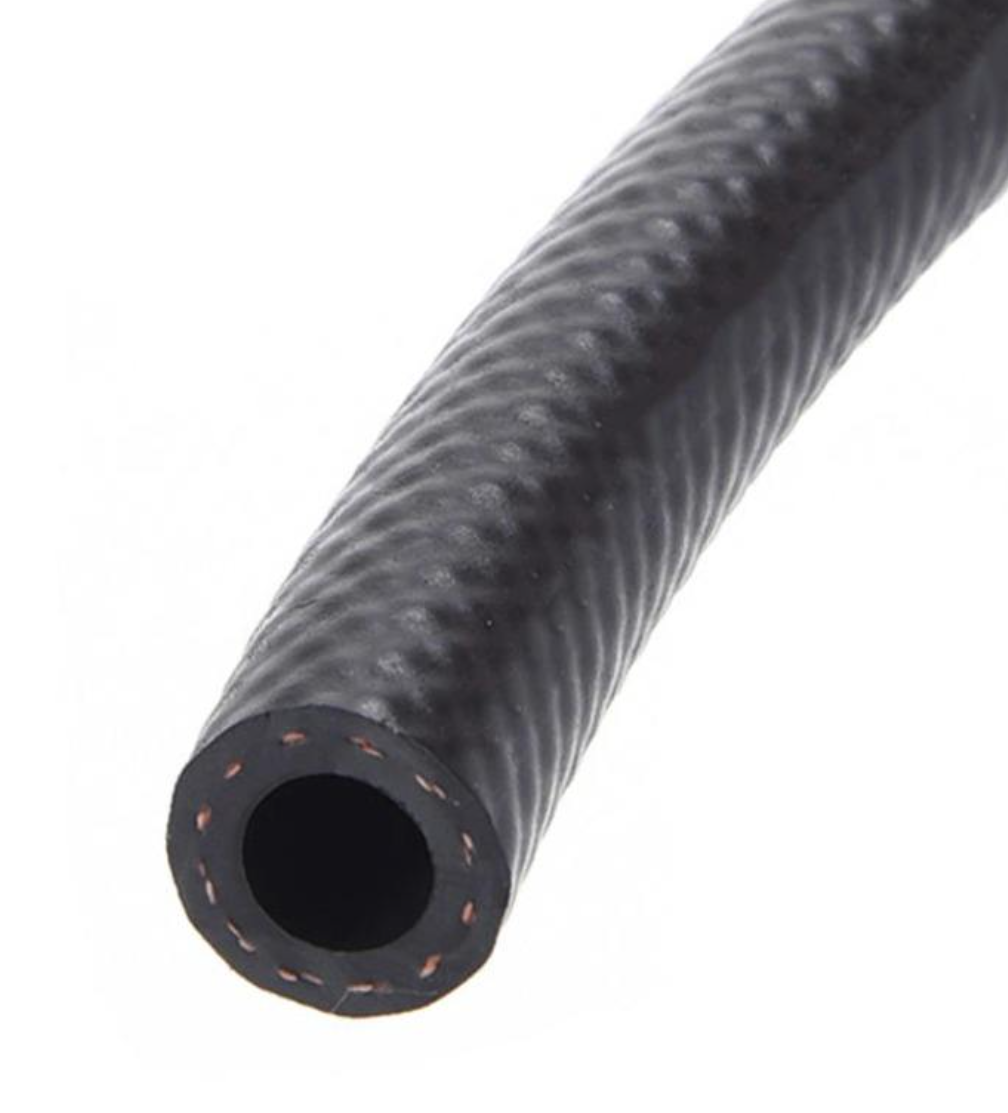
Electrical properties: Where required, the specified resistance limits, test method and measured results for the complete assembly.
Gas compatibility: Suitability of the hose lining and seals for the intended gas service.
Traceability: Product identification, production date or batch information linked to the supplied assembly.
Electrical performance cannot be established from the reinforcement material alone. Where conductivity or electrical continuity is required, use the documented results for the specified assembly.
Frequently Asked Questions
What is the working pressure of this CNG hose?
The working pressure depends on the selected hose and assembly configuration. Provide the required operating pressure so the corresponding specification can be checked before quotation.
Can one hose be used for both vehicle refueling and station unloading?
Each application requires its own compatibility check. Pressure, flow, movement, connections and applicable requirements can differ. Specify the actual installation rather than relying on a general CNG application label.
Can the hose also carry LPG?
CNG suitability does not establish LPG compatibility. LPG service requires separate confirmation of the fuel phase, material compatibility, pressure and temperature limits.
Which end connections can be supplied?
Connection selection depends on the equipment interfaces and assembly specification. Send drawings or clear specifications for both ends. Ball valve, quick coupling and flange arrangements require matching pressure ratings and sealing details.
Can the assembly length be changed during installation?
Order the required finished length before installation. Do not cut, splice or replace end fittings unless the assembly manufacturer provides an approved procedure and the required verification.
Installation and Inspection
Install the assembly within its documented routing and movement limits. Avoid twisting, kinking, abrasion, excessive tension and contact with hot surfaces. Follow the specified minimum bend radius and connection instructions.
Inspection must cover the hose body and both end connections. Follow the equipment manufacturer's inspection, leak-test and replacement procedures. Remove damaged assemblies from service for assessment.
Vehicle fuel lines and refueling assemblies require separate selection. Browse our gas hoses and accessories for related product categories, and review the NGV refueling interface comparison when identifying associated refueling connections.
Request a CNG Hose Assembly Quotation
Send the operating conditions and connection details with your inquiry. Include the application, required working pressure, temperature range, hose diameter, overall length, end fittings and quantity. Contact us to confirm the available configuration and supporting documentation.